
In smaller hospitals and rural clinics, fast and reliable imaging can be the difference between early treatment and delayed care. But when space is tight, staff is limited, and budgets are stretched, getting high-quality x ray services on site isn’t always easy.
That’s where the portable x ray machine becomes a game-changer.
Portable x ray systems bring flexibility, speed, and affordability to facilities that can’t support full-scale radiology departments. And in Central and Upstate New York, more clinics and critical access hospitals are turning to solutions that deliver fast diagnostics—without sending patients away.
This article will walk you through why diagnostic imaging access matters in underserved communities, how portable x ray equipment solves key problems, and why Syracuse Biomedical Services is trusted by local providers to supply and support these vital tools.
Why Diagnostic Imaging Access Is Critical in Rural and Underserved Hospitals
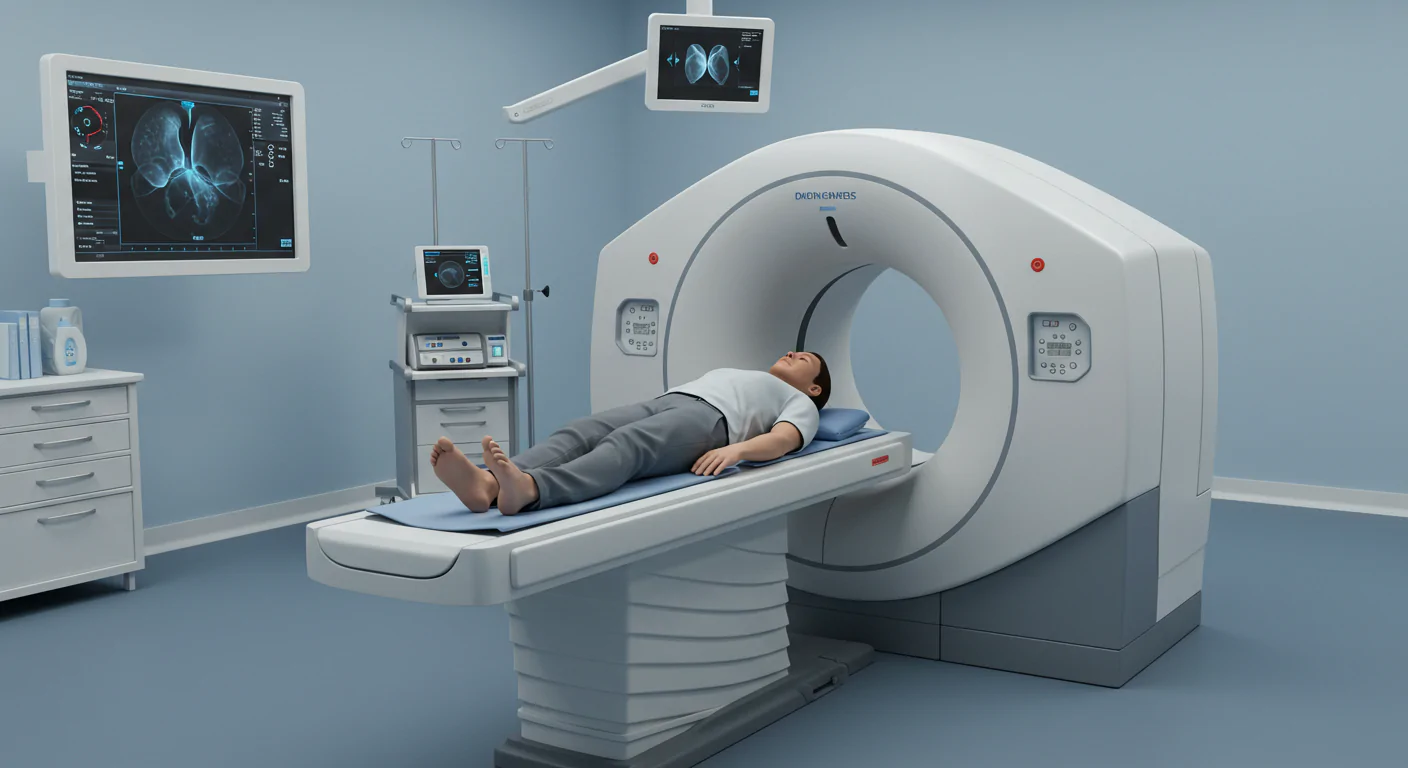
For hospitals and clinics in rural communities, diagnostic imaging challenges are common. They face fewer resources, aging infrastructure, and a lack of radiology staff. But patients still arrive with urgent needs: broken bones, chest pain, infections, or unexplained symptoms. Without timely imaging, diagnosis becomes a guessing game—and care can be delayed.
According to the National Rural Health Association, rural hospitals often serve populations with higher rates of chronic disease and injury, yet face 60% higher closure risks compared to urban facilities (Morris & Kaufman, 2023). Many smaller facilities don’t have the space or funding to support permanent radiology suites. That can force patients to travel long distances, sometimes delaying care by hours or even days.
Without on-site x ray capabilities, clinics may:
- Transfer patients unnecessarily
- Delay treatment while waiting for imaging
- Rely on physical exams alone to make critical decisions
That’s not ideal—for patients or providers. The need for accessible, affordable imaging has never been greater.
The Cost of Delayed Diagnostics
Delays in diagnosis can impact outcomes, especially in time-sensitive cases like fractures, pneumonia, or trauma. In emergency situations, transferring a patient just to get a scan adds risk and raises costs.
A 2023 study published in BMC Health Services Research found that a rural hospital network reduced out-of-region patient transfers by 71% after implementing a coordinated bed management strategy (Malo et al., 2023).
That’s why more facilities are turning to portable solutions.
The Role of a Portable X Ray Machine in Solving These Gaps
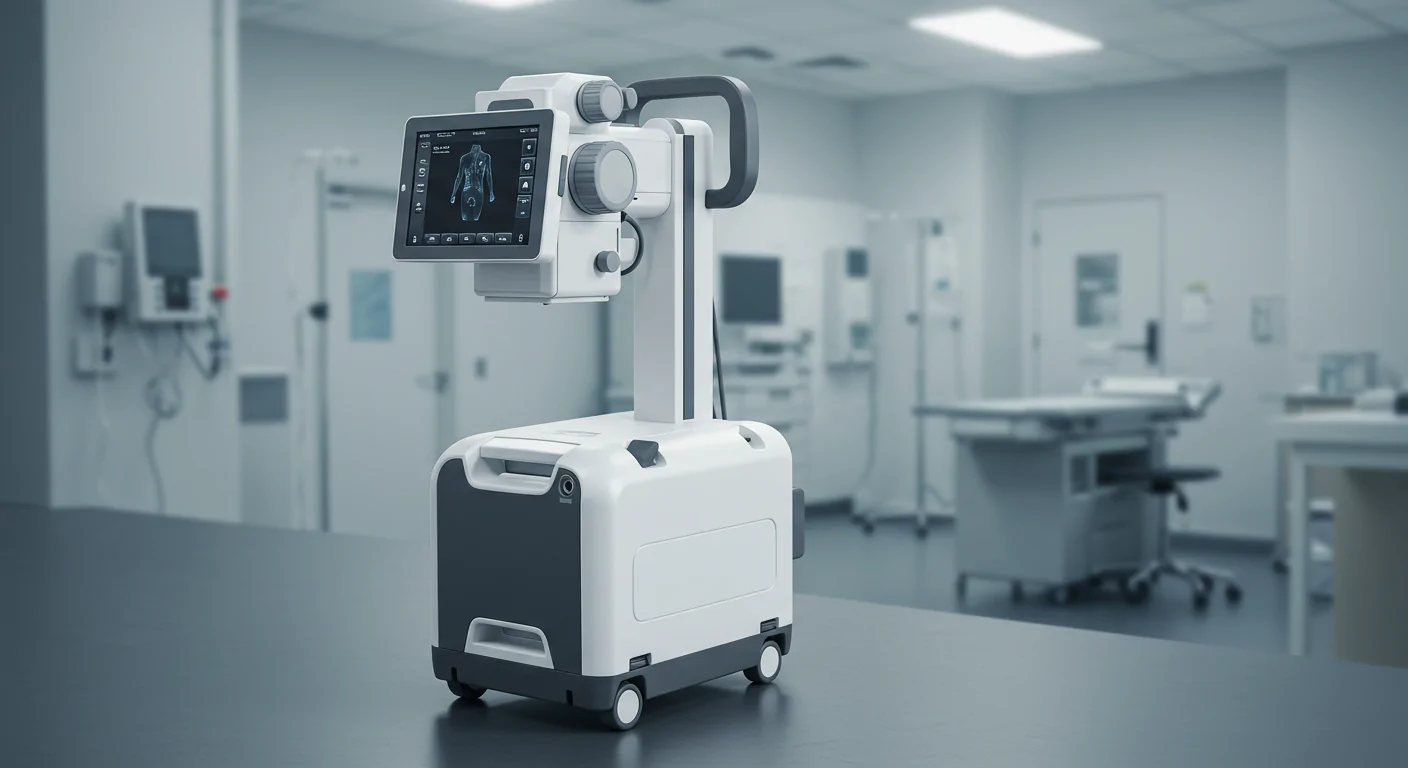
A portable x ray machine is exactly what it sounds like: a compact, mobile imaging system that can be moved directly to the patient—whether in a clinic room, hospital bed, or long-term care facility.
It removes the need for a dedicated x ray room, saving space, time, and money.
These systems are built to deliver clear, high-quality images just like larger, stationary units—but with the added benefit of mobility and ease of use. For smaller hospitals, urgent care centers, and outpatient clinics, they provide the flexibility to keep care in-house.
Key Benefits for Small Facilities
Whether you’re a rural hospital or a community clinic, a portable x ray system offers major advantages:
- Fast access to imaging without transferring patients
- Minimal setup and lower operating costs
- In-room or bedside imaging for patients who can’t be moved
- Space-saving design ideal for small clinics
- Improved workflow for urgent care and walk-in facilities
Because portable machines are wheeled directly to the patient, they also reduce strain on staff and make care more efficient.
Why Choose Portable Over Stationary Units?
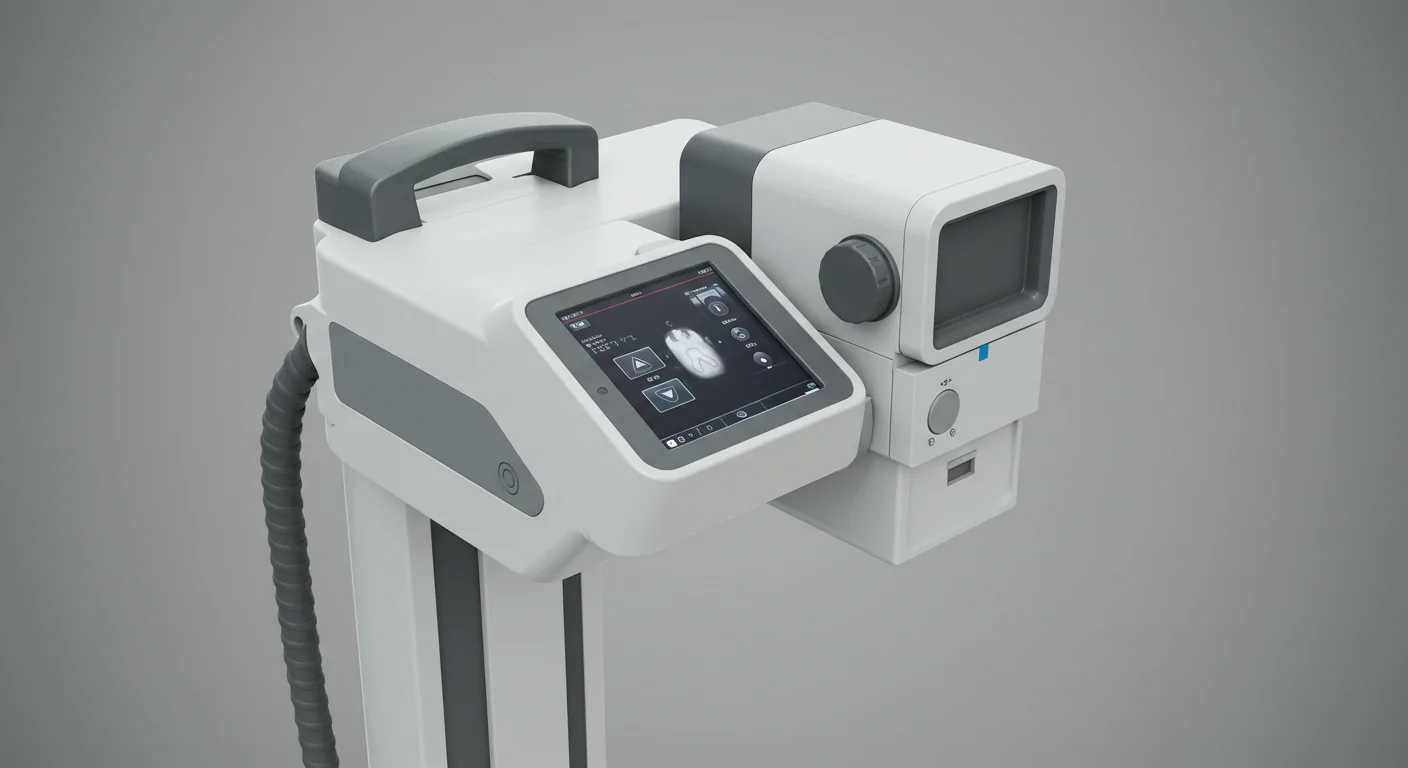
Stationary x ray machines are powerful—but they require significant infrastructure. You’ll need a large lead-lined room, higher electrical capacity, and trained radiology staff. That’s not practical for every facility.
Portable systems are different:
- Smaller footprint – no construction or dedicated room needed
- Affordable – ideal for clinics on a tight budget
- User-friendly – easy to train nurses or general staff
- Flexible – usable in exam rooms, hallways, and mobile units
| Feature | Portable X Ray Machine | Stationary X Ray System |
| Setup Time | Plug and use instantly | Requires room construction |
| Space Needs | Small footprint | Dedicated radiology suite |
| Cost | Affordable upfront | Expensive infrastructure |
| Staff Training | Basic operation | Requires certified radiologist |
| Flexibility | Move between rooms | Fixed in one location |
These machines are perfect for rural hospitals, mobile medical programs, and long-term care facilities where access is limited but diagnostic needs remain high.
Syracuse’s Trusted Portable X Ray Solutions for Rural Clinics
At Syracuse Biomedical Services, we know that healthcare providers across Central and Upstate New York need dependable tools they can trust—especially when budgets and staffing are limited.
We provide a range of new and refurbished portable x ray machines tailored for smaller facilities. Whether you’re upgrading outdated equipment or adding imaging to a location for the first time, we’ll help you choose the right system and support you every step of the way.
What Sets Syracuse Biomedical Apart?
- Local expertise – Serving the Syracuse region and surrounding counties
- Certified biomedical technicians – We install, maintain, and calibrate every unit
- Flexible financing – Get the tools you need without breaking your budget
- Unmatched service – 24/7 response times and a real person on the other end of the phone
- Staff training included – We teach your team how to use the equipment safely and effectively
Our team understands the pressures small facilities face—and we’re here to provide more than just equipment. We’re your long-term partner in quality care.
Ready to Upgrade Your Imaging Capabilities?
If your hospital, urgent care center, or clinic is still relying on outdated imaging—or worse, sending patients elsewhere—it’s time for a better solution.
With a portable x ray machine from Syracuse Biomedical Services, you can:
- Keep patients local
- Improve care speed and accuracy
- Reduce overhead
- And deliver better outcomes
Call us today or request a free consultation and quote
Let us help you bridge the imaging gap—so your team can focus on what matters most: delivering care when and where it’s needed.
Curious about Biomedical Services? Find out more here:
1. How Much Do X-Ray Cost and What You Need to Know
2. Everything You Need to Know About Volumetric Pumps
3. How much do X-Ray Cost Without Insurance? What to Expect in 2025
4. Biomedical Equipment Services


