
When it comes to medical imaging, a CT scan is one of the most powerful tools doctors have to see inside the body. But did you know that how you prepare for a CT scan can significantly affect both the accuracy of your results and how long do CT scans take? Understanding proper CT scan preparation and the factors that influence the duration of the procedure can make the process smoother, faster, and less stressful.
At Syracuse Biomedical Services, we’ve seen firsthand how proper preparation and well-maintained equipment improve scan efficiency, patient experience, and overall workflow in medical imaging departments. This guide will walk you through everything patients need to know—from initial preparation to the role of professional biomedical equipment maintenance in reducing scan delays.
What is a CT Scan and Why Do Patients Need Preparation?
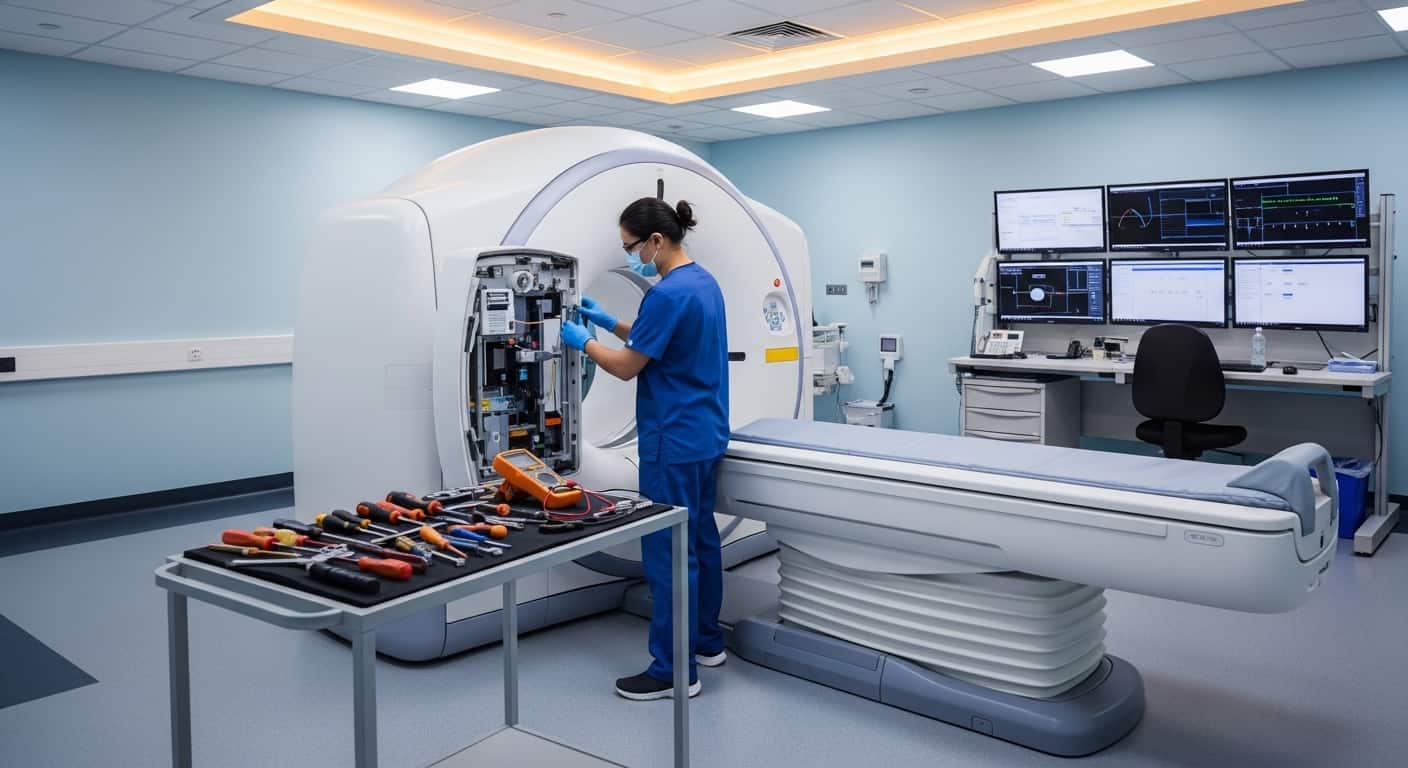
A CT scan (computed tomography scan) uses X‑rays and computer processing to create detailed cross-sectional images of the body’s organs, bones, soft tissues, and blood vessels, offering more detail than a standard X‑ray (Mayo Clinic, 2023). Unlike a standard X‑ray, CT scans provide a cross-sectional view, helping doctors diagnose conditions with greater precision. Many patients also wonder how long do CT scans take, as the duration can vary depending on the area being scanned and whether contrast material is used.
Preparation matters because patient readiness directly affects the quality of images. For instance, improper fasting or failure to follow contrast instructions can obscure details, potentially requiring a repeat scan. Proper preparation also minimizes scan delays, keeping hospital schedules running smoothly and reducing stress for patients.
How CT Scans Work
During a CT scan, the patient lies on a table that slides into a large, donut-shaped machine. The scanner rotates around the patient, capturing multiple images that a computer combines into detailed cross-sections. The process is painless, but it’s essential that patients follow preparation instructions closely.
Why Preparation Matters
Preparation helps the CT scanner produce clear images. For example, drinking fluids or fasting beforehand ensures contrast agents work correctly. Clothing choices, like wearing loose garments without metal, prevent artifacts in the images. Even small details, such as removing jewelry, can influence scan quality.
Common Preparation Steps for Patients
| Preparation Step | What Patients Should Do |
| Fasting | Some scans require patients to avoid food or drink for several hours. |
| Medications | Consult your doctor about which medications to take on scan day. |
| Contrast Materials | May be administered orally or intravenously to highlight specific areas. |
| Clothing & Accessories | Wear loose, comfortable clothing; remove metal jewelry to avoid image artifacts. |
Following these steps ensures the scan goes smoothly and takes as little time as possible.
How Long Do CT Scans Take When Preparation Steps Are Needed?

Many patients wonder, “How long do CT scans take?” The answer depends on several factors, including preparation steps, scan type, and patient health. When preparation is required, the process can take anywhere from 30 minutes to 90 minutes in total.
Typical CT Scan Duration
| Stage | Estimated Time | Notes |
| Preparation Time | 15–45 minutes | Depends on fasting, hydration, and contrast administration |
| Scan Time | 10–30 minutes | Varies based on the area of the body being imaged |
| Post-Processing | 5–15 minutes | Radiologists review initial images to ensure quality |
Factors That Affect Scan Duration
- Patient Age & Condition – Pediatric or elderly patients may need extra care or monitoring.
- Scan Complexity – Abdominal or full-body scans often take longer than head or chest scans.
- Contrast Use – Administering and waiting for contrast agents to circulate can add time.
- Equipment Efficiency –Modern CT scanners are faster, but routine calibration and preventive maintenance are essential for reliable image quality (American College of Radiology, 2025).
How Preparation Impacts Scan Time
Patients who follow preparation instructions closely often experience shorter scan durations. For example, fasting appropriately ensures contrast works effectively, reducing the likelihood of repeat scans. Arriving on time and completing forms in advance also helps staff maintain schedule efficiency.
Tips to Minimize Delays
- Arrive early for your appointment.
- Review all pre-scan instructions carefully.
- Inform staff about any medical conditions or medications.
- Follow fasting and hydration instructions precisely.
By understanding these factors, patients can take an active role in making their CT scans faster and more accurate.
How Can Professional Biomedical Equipment Maintenance Reduce Scan Delays?
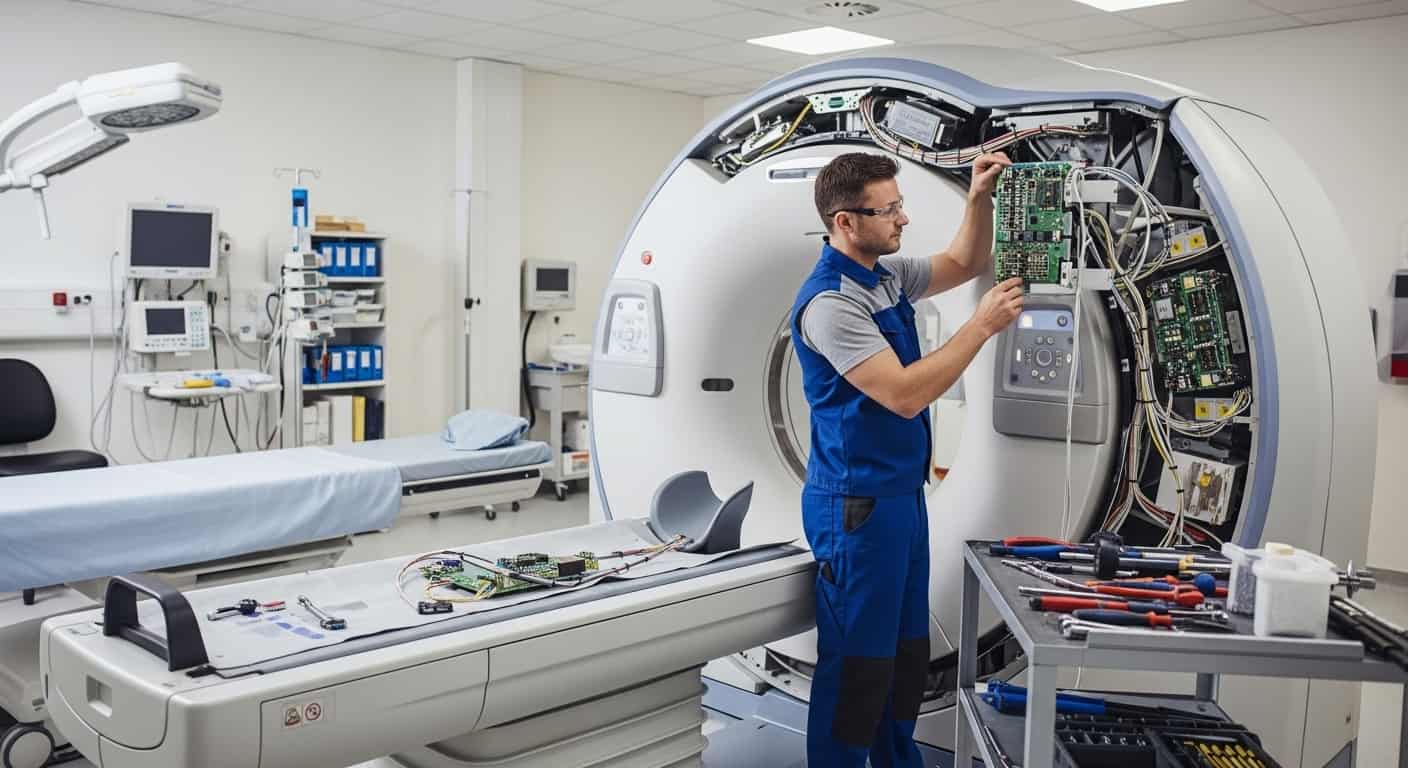
While patient preparation is crucial, scan delays are not always within the patient’s control. Equipment performance plays an equally important role. CT scanners require routine maintenance, calibration, and rapid repairs to function reliably. Poorly maintained equipment can increase downtime, extend scan durations, and negatively affect imaging accuracy—impacting how long do CT scans take and overall patient care.
Why Equipment Maintenance Matters
- Preventing Downtime – Regular preventive maintenance ensures scanners are ready when needed.
- Optimizing Performance – Well-calibrated equipment produces higher-quality images faster.
- Enhancing Patient Experience – Reduced downtime and faster scans decrease patient stress.
Syracuse Biomedical Services’ Maintenance Approach
At Syracuse Biomedical Services, we specialize in biomedical equipment maintenance for hospitals, imaging centers, and clinics in Central New York. Our services include:
- Preventive maintenance and calibration
- Rapid repairs to minimize downtime
- Performance optimization for maximum throughput
We work with your staff to ensure CT scanners are operating at peak efficiency, improving patient scheduling and reducing delays.
Real-World Results
Our clients often see measurable improvements in workflow efficiency, including:
- 20–30% reduction in average scan delays
- Increased patient throughput without compromising image quality
- Fewer repeat scans due to technical errors
These benefits not only save time but also enhance trust between patients and healthcare providers.
Conclusion
Understanding CT scan preparation and the factors that affect how long do CT scans take empowers both patients and healthcare teams. Proper preparation ensures faster, more accurate scans, while professional maintenance of biomedical equipment reduces downtime and enhances workflow efficiency.
At Syracuse Biomedical Services, we combine years of experience with technical expertise to keep CT scanners and imaging equipment operating at peak performance. By focusing on both patient preparation and equipment reliability, healthcare providers can ensure timely, accurate imaging that improves patient outcomes and reduces concerns about how long do CT scans take, helping patients spend less time in the scanner.
Take Action Today:
If you want to minimize scan delays and ensure your CT equipment is performing reliably, contact Syracuse Biomedical Services to schedule a preventive maintenance consultation. Our team of experts is ready to help your facility maintain efficient, accurate, and safe imaging services.
Frequently Asked Questions (FAQ)
H2: FAQ – CT Scan Preparation and Timing
Q1: How long should I fast before a CT scan?
Most patients are asked to fast for 2–6 hours before scans that require contrast material. Always follow your doctor’s instructions, as fasting ensures better image quality and reduces the risk of complications with contrast agents.
Q2: Does preparation affect how long a CT scan takes?
Yes. Proper preparation, like fasting and following contrast instructions, can significantly reduce overall scan time. Patients who arrive prepared help staff work efficiently, often shortening total appointment time.
Q3: Can children or elderly patients take longer for a CT scan?
Yes. Pediatric and elderly patients may need extra care or monitoring during preparation and scanning, which can slightly increase the total time needed for the procedure.
Q4: Why is CT scanner maintenance important for scan speed?
Routine calibration and preventive maintenance keep CT scanners operating reliably. Well-maintained machines reduce downtime, improve image quality, and ensure scans can be completed on schedule (American College of Radiology, 2025).
Q5: How long does a typical CT scan take?
A CT scan with preparation usually takes 30–90 minutes in total: 15–45 minutes for prep, 10–30 minutes for the scan itself, and 5–15 minutes for post-processing and image review.


