
Managing diabetes can be challenging, but modern technology, like insulin pumps, makes it easier. Join SBS and dive into what insulin pumps are, how they work, and why they might be a good option for you or someone you know.
What is an Insulin Pump?

An insulin pump is a small, computerized device that helps people with diabetes manage their blood sugar levels. It delivers insulin into the body throughout the day, just like the pancreas would in someone without diabetes.
How Does an Insulin Pump Work?
Insulin pumps have three main parts:
- Pump: The device itself, which is about the size of a pager or a small smartphone.
- Reservoir: A cartridge inside the pump that holds insulin.
- Infusion Set: A thin tube with a small needle that delivers insulin from the pump to your body.
The pump is programmed to release insulin at different rates throughout the day. There are two main types of insulin delivery:
- Basal Rate: A steady, small amount of insulin delivered continuously to keep blood sugar levels stable between meals and overnight.
- Bolus Dose: A larger amount of insulin delivered when you eat to help manage the rise in blood sugar from food.
Types of Insulin Pumps
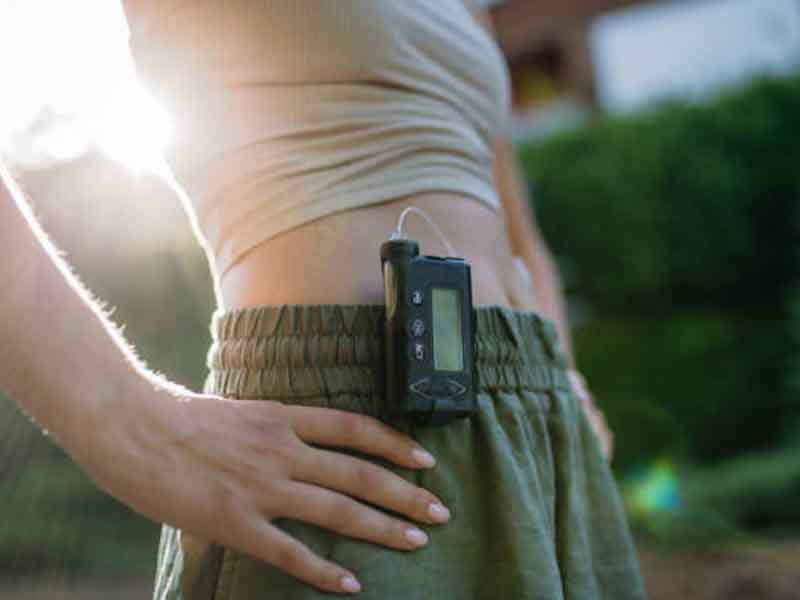
There are different types of insulin pumps available, and each type has its own features:
- Tethered Pumps: These pumps are attached to the body with a small tube. The pump can be worn on a belt, in a pocket, or attached to clothing.
- Patch Pumps: These pumps are worn directly on the skin and have no tubing. They are discreet and can be controlled with a separate device.
Benefits of Using an Insulin Pump
Using an insulin pump offers several advantages:
- Better Blood Sugar Control: Pumps can help maintain more stable blood sugar levels.
- Flexibility: You can easily adjust your insulin doses for different activities, meals, or changes in your daily routine.
- Convenience: No more multiple daily insulin injections. The pump does the work for you.
- Improved Quality of Life: Many people find that using a pump makes living with diabetes easier and less intrusive.
Pump Safety is a Commitment
Using an insulin pump safely requires dedication. Here are some key points:
- Regular Monitoring: Check your blood sugar levels often to ensure the pump is working correctly.
- Proper Maintenance: Keep the pump clean and replace infusion sets as recommended.
- Backup Plan: Always have a plan for how to manage your insulin needs if the pump fails.
Other Factors to Consider
Before deciding to use an insulin pump, think about these factors:
- Cost: Insulin pumps can be expensive, and not all insurance plans cover them.
- Lifestyle: Consider how the pump will fit into your daily activities and routines.
- Training: Be prepared to spend time learning how to use the pump correctly.
Who Can Use an Insulin Pump?

Most people with type 1 diabetes can use an insulin pump. Some people with type 2 diabetes might also benefit from using one. However, not everyone is a good candidate for a pump. It requires commitment to monitoring your blood sugar levels and working closely with your healthcare team.
Getting Started with an Insulin Pump
If you’re considering an insulin pump, here are the steps you might take:
- Talk to Your Doctor: Discuss whether an insulin pump is right for you.
- Get Training: Learn how to use the pump and manage your diabetes with it.
- Set Up the Pump: With your healthcare team’s help, set up and program your pump.
- Monitor and Adjust: Regularly check your blood sugar and adjust your pump settings as needed.
Common Insulin Pump Use
Here are some everyday situations where an insulin pump can be especially helpful:
- Mealtime: Easily adjust your insulin dose for different foods and portions.
- Exercise: Modify your insulin delivery to prevent low blood sugar during physical activity.
- Illness: Adjust your insulin needs when you’re sick to avoid high blood sugar.
Tips for Successful Pump Use
- Check Your Blood Sugar Often: This helps you know if your pump settings are correct.
- Keep Supplies Handy: Always have extra batteries, infusion sets, and insulin.
- Stay Informed: Keep learning about diabetes and new pump features.
- Communicate with Your Healthcare Team: Regular check-ins help ensure your pump is working well for you.
Common Concerns and Solutions

What if the pump stops working?
If your pump fails, you’ll need a backup plan, like insulin injections, until it’s fixed or replaced.
Is it hard to insert the infusion set?
It might take practice, but most people get used to it quickly. Your healthcare team will help you learn.
Can I still exercise?
Yes! You can adjust your pump settings for physical activity. Some pumps even have special features for exercise.
Recommended Insulin Pumps
Here are some popular insulin pumps that many people with diabetes find helpful:
- Medtronic MiniMed: Known for its advanced features and reliability.
- Omnipod: A tubeless, patch pump that offers convenience and discretion.
- Tandem t
X2: Features a touch screen and integration with continuous glucose monitoring (CGM).
Conclusion
Insulin pumps are a valuable tool for many people with diabetes. They offer better control, flexibility, and convenience. If you think an insulin pump might be right for you, talk to your doctor. With the right training and support, an insulin pump can make managing diabetes a lot easier.
Remember, you’re not alone in this journey. Many people have found success with insulin pumps, and with the right information and help, you can too!


