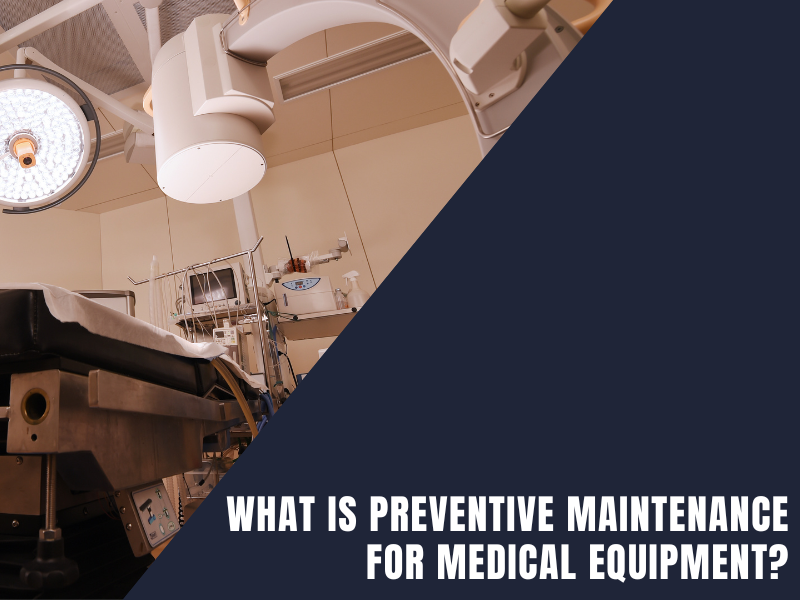
Medical equipment is essential in healthcare, from simple tools like thermometers to complex machines like MRI scanners. Just like cars need regular check-ups, medical equipment needs regular maintenance to stay in good shape.
This is called preventive maintenance. By taking care of equipment before it breaks, hospitals can save money, keep patients safe, and make sure the equipment is ready when needed. Let’s explore what preventive maintenance is, why it’s important, and how it helps in healthcare.
What is preventive maintenance of medical equipment?
Preventive maintenance (also called proactive maintenance) for medical equipment means regularly inspecting, servicing, and repairing machines before they break down. It’s similar to getting regular oil changes or replacing worn-out parts on your car to prevent bigger problems later. By keeping equipment in good shape, hospitals can ensure everything works when it’s needed.
Why is preventive maintenance important in healthcare?
Preventive or planned maintenance is crucial because it helps avoid equipment breakdowns during critical moments. Medical devices, like X-ray machines or monitors, need to work properly to provide accurate results. Regular maintenance reduces the risk of equipment failure and keeps patients safe while saving time and money for the healthcare facility.
What are the challenges of preventive maintenance in hospitals?
Lack of ExpertiseMany healthcare facilities have trouble finding staff with the right skills to maintain complex medical equipment. Without proper knowledge, maintenance might be done incorrectly, leading to equipment problems.
Limited ResourcesHospitals often lack money, staff, or tools to perform regular scheduled servicing on all equipment.
Aging EquipmentOlder machines need more maintenance and finding parts for them can be hard. Fewer technicians are trained to fix these old models, which can increase repair costs and downtime.
New TechnologyWith new medical technology always coming out, staff need to learn how to maintain these new devices. This can be challenging and require extra training, which not all facilities can afford.
Communication IssuesGood maintenance requires clear communication between different departments. When departments don’t communicate well, it can lead to missed maintenance and equipment problems.
What are the benefits of preventive maintenance for medical equipment?
Longer Equipment Life
Regular check-ups and fixes can extend the life of medical equipment, making it last longer and work better.
Keeping Patients Safe
Well-maintained machines reduce the risk of malfunctions, ensuring patients receive safe and reliable care.
Better Efficiency
Equipment that’s in good shape works more smoothly, which means fewer delays and faster service for patients.
Improved Equipment Usage
When equipment is regularly maintained, it can be used more often without breaking down, making the most of every machine.
Lower Risk of Breakdowns
Proactive maintenance helps catch problems early.
Enhanced Reputation
Hospitals known for well-maintained equipment and reliable care gain trust and respect from patients and the community.
The History of Preventive Maintenance for Medical Equipment
Preventive maintenance became essential as healthcare equipment grew more advanced. Hospitals learned early that scheduled servicing reduced costly breakdowns. Over time, as devices became more complex, planned maintenance programs became standard practice in hospitals and clinics.
How can EAM systems support preventive maintenance?
Enterprise Asset Management (EAM) systems make preventive maintenance easier by organizing and scheduling tasks. EAM tools help keep track of maintenance, repairs, and parts needed, so no equipment gets overlooked. These systems help hospitals stay on top of their maintenance schedules, leading to better care and fewer breakdowns.
What is the future of preventive maintenance in healthcare?
The future looks promising with technology like AI (artificial intelligence) and machine learning. These tools can help predict when equipment will need servicing—even before issues appear. This predictive approach goes beyond preventive maintenance, ensuring healthcare facilities stay efficient while reducing downtime.
Summary
Preventive maintenance is essential for keeping hospitals running smoothly. Even though there are challenges, like limited resources and new technology, the benefits are worth it. Regular maintenance improves safety, extends the life of equipment, and boosts efficiency. With the help of EAM systems and new advances, preventive maintenance will stay crucial in healthcare, making sure patients get the best care possible.
Curious about the importance of medical equipment maintenance? Discover how it impacts healthcare in our latest blog, “Why Medical Equipment Maintenance Matters for Better Healthcare.“
FAQs on Preventive Maintenance of Medical Equipment
1. What is the difference between preventive and corrective maintenance?
Preventive maintenance is planned, proactive servicing done to avoid equipment breakdowns. Corrective maintenance happens after a device fails and requires repair to restore functionality.
2. How often should medical equipment undergo preventive maintenance?
The frequency depends on the type of equipment, manufacturer’s recommendations, and regulatory standards. Critical devices like ventilators may need monthly or quarterly checks, while basic tools may only need annual servicing.
3. Who performs preventive maintenance in hospitals?
Preventive maintenance is usually handled by biomedical engineers, clinical engineers, or certified service providers. In some cases, manufacturers or third-party contractors perform the servicing.
4. How does preventive maintenance save money for healthcare facilities?
By detecting small issues early, preventive maintenance helps avoid costly emergency repairs, equipment replacements, and unexpected downtime. It also extends the lifespan of expensive medical devices.
5. How does preventive maintenance improve patient safety?
Well-maintained equipment provides accurate and reliable results, reducing the risk of errors during diagnosis or treatment. It also lowers the chance of equipment failure during critical procedures.