
Lab equipment is essential for accurate testing, patient safety, and smooth operations. But over time, even the best machines can develop problems.
The key is knowing what to look for and acting early.
Below are the most common questions healthcare and lab professionals ask about lab equipment issues, repair, and calibration, answered clearly and simply.
Common Problems That Affect Medical and Laboratory Equipment
What are the most common problems with lab equipment?
The most common problems include:
- Wear and tear from daily use
- Improper handling or user error
- Lack of preventive maintenance
- Environmental damage (heat, dust, humidity)
These issues can affect performance, accuracy, and reliability over time.
According to the World Health Organization, inadequate maintenance is a major factor contributing to medical equipment failure and reduced performance in healthcare settings.
How does daily use affect lab equipment?
Frequent use causes parts to wear down.
Over time:
- Motors weaken
- Sensors lose accuracy
- Moving parts become unstable
For example, a centrifuge used daily may start to vibrate or lose balance.
Regular inspections help catch these issues early.
Can improper handling damage lab equipment?

Yes. Incorrect use is a major cause of equipment problems.
Common mistakes include:
- Skipping startup or shutdown steps
- Using the wrong settings
- Overloading machines
Even small errors can lead to long-term damage.
Why is preventive maintenance important for lab equipment?
Preventive maintenance keeps equipment running properly.
Without it:
- Dust builds up
- Parts wear out faster
- Calibration becomes inaccurate
The U.S. Food and Drug Administration emphasizes that proper maintenance and servicing are essential to ensure medical devices remain safe and effective.
Regular servicing reduces breakdowns and extends equipment life.
How do environmental factors affect lab equipment?
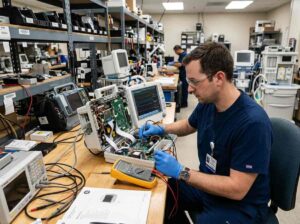
Environmental conditions can damage sensitive equipment.
Common risks include:
- Humidity affecting electronics
- Dust clogging filters
- Temperature changes impacting performance
A clean and controlled environment helps protect your equipment.
Signs Your Lab Equipment Needs Immediate Repair or Calibration
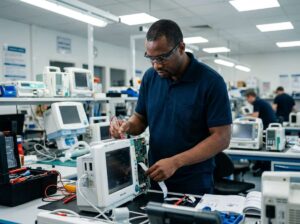
What are the warning signs that lab equipment needs repair?
Watch for these key signs:
- Inaccurate or inconsistent results
- Unusual noises or vibrations
- Frequent breakdowns
- Slower performance
- Failed inspections or compliance issues
These signs mean your equipment needs attention right away.
Why is my lab equipment giving inconsistent results?
Inconsistent results usually mean:
- Calibration is off
- Sensors are failing
- Internal components are worn
In healthcare, even small errors can lead to serious consequences.
Calibration ensures reliable and accurate results.
What does it mean if lab equipment is making unusual noises?
Unusual sounds often signal mechanical problems.
Examples include:
- Grinding noises
- Loud vibrations
- Shaking during use
A vibrating centrifuge, for example, may be unbalanced or damaged.
Ignoring these signs can lead to equipment failure.
Why does lab equipment keep breaking down?
Frequent breakdowns usually indicate deeper issues such as:
- Electrical faults
- Software errors
- Worn-out components
Repeated failures mean it’s time for professional repair.
What happens if lab equipment fails compliance checks?
If your equipment fails inspections:
- You may face penalties
- Your facility may risk shutdown
- Patient safety could be compromised
The Joint Commission requires healthcare facilities to properly maintain equipment to support safety and meet compliance standards.
Regular calibration and maintenance help you stay audit-ready.
Get Expert Lab Equipment Repair and Maintenance Services Today
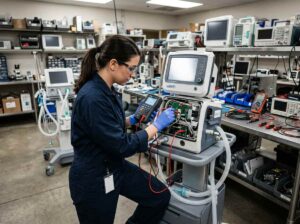
Why should I hire professionals for lab equipment repair?
- Have specialized training
- Use proper tools and methods
- Follow industry standards
Trying to fix equipment without expertise can cause more damage.
Expert service ensures safe and accurate performance.
What services are included in lab equipment maintenance?
A professional service provider typically offers:
| Service | Description |
| Equipment Inspection | A full check of your lab equipment to identify issues, wear, or potential risks before they become serious problems. |
| Calibration | Adjusting equipment to ensure accurate and reliable results that meet required standards. |
| Preventive Maintenance | Regular servicing to keep equipment running smoothly and reduce the risk of unexpected breakdowns. |
| Repairs and Part Replacement | Fixing damaged components and replacing worn-out parts to restore proper function. |
| Detailed Service Reports | Providing clear documentation of work performed, results, and compliance records for audits and tracking. |
These services keep your equipment reliable and compliant.
What are the benefits of regular lab equipment maintenance?
Regular maintenance helps you:
- Reduce downtime
- Save money on repairs
- Improve accuracy
- Extend equipment lifespan
- Stay compliant with regulations
Preventive care is always more cost-effective than emergency repairs.
Where can I get reliable lab equipment repair and calibration services?
If you’re looking for trusted support,
Syracuse Biomedical Services offers professional repair, calibration, and maintenance services tailored to healthcare and laboratory facilities.
Their experienced technicians help ensure your equipment:
- Runs efficiently
- Meets compliance standards
- Delivers accurate results
When should I schedule a lab equipment inspection?
You should schedule an inspection:
- At the first sign of issues
- Before compliance audits
- As part of a regular maintenance plan
Early action prevents costly breakdowns and delays.
Final Call to Action
Don’t wait for your equipment to fail.
If you’ve noticed any warning signs or want to prevent future problems now is the time to act.
Contact a trusted biomedical equipment service provider today to schedule inspection, repair, or calibration.
- Keep your lab running smoothly
- Protect your results and reputation
- Ensure safety and compliance
Frequently Asked Questions:
1. What types of lab equipment need regular maintenance?
Centrifuges, analyzers, incubators, microscopes, and other laboratory devices require regular inspection and maintenance.
2. Where can I get lab equipment repair in Syracuse, NY?
Syracuse Biomedical Services provides lab equipment repair, calibration, and maintenance for healthcare and laboratory facilities.
3. How often should lab equipment be calibrated?
Calibration should follow the manufacturer’s recommendations and your facility’s preventive maintenance schedule.
4. What are signs that lab equipment needs repair?
Inconsistent results, unusual noises, vibrations, slow performance, and frequent breakdowns can indicate equipment problems.
5. Why is lab equipment maintenance important?
Regular maintenance helps improve accuracy, reduce downtime, extend equipment lifespan, and support compliance.
For further details, kindly check the links provided below:
- A Simple Guide to Understanding Sphygmomanometer Parts
- CT Scan Cost Explained: With and Without Insurance
- Trust the Experts for Delicate Lens Care: Learn How to Clean the Microscope Lens Without Common Pitfalls
- Restrictions While Wearing A Holter Monitor
- How Much Do X Rays Cost Without Insurance? What to Expect in 2026


