
Modern healthcare depends on reliable medical equipment that helps patients heal safely and efficiently. One technology that continues to play an important role in rehabilitation and pain management is the ultrasound therapy machine. Used in physical therapy clinics, hospitals, and sports medicine facilities, this device supports recovery without surgery or medication.
If you are a healthcare provider, clinic manager, or rehabilitation specialist, understanding how ultrasound therapy works and how to choose and maintain the right equipment can improve both patient outcomes and operational efficiency.
In this guide, we’ll walk through the full journey: what therapeutic ultrasound is, how ultrasound therapy machines benefit clinics, and why professional servicing is essential for long-term performance.
What Is Therapeutic Ultrasound and How It Works
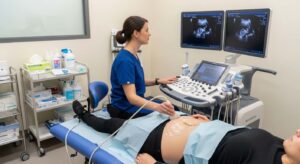
Therapeutic ultrasound is a treatment method that uses high-frequency sound waves to stimulate tissue beneath the skin. Unlike diagnostic ultrasound used for imaging, therapeutic ultrasound focuses on healing and rehabilitation.
Healthcare professionals commonly use this treatment to reduce pain, improve mobility, and support tissue repair.
How Ultrasound Therapy Works
An ultrasound therapy machine delivers sound waves through a handheld applicator called a transducer. When applied to the skin with conductive gel, these sound waves travel deep into muscles and joints.
The energy creates gentle vibrations that:
- Increase blood circulation
- Reduce inflammation
- Relax muscle spasms
- Promote cellular repair
Patients typically feel mild warmth during treatment, making it comfortable and non-invasive.
Laboratory studies suggest therapeutic ultrasound may produce physiological effects such as increased tissue activity and circulation, although clinical evidence supporting improved healing outcomes remains limited (Speed, 2001).
Quick Answer:
Therapeutic ultrasound works by sending controlled sound waves into tissue to stimulate healing and reduce pain.
Common Applications of Therapeutic Ultrasound
Therapists and rehabilitation specialists use ultrasound therapy for a wide range of conditions, including:
- Muscle strains and ligament injuries
- Tendonitis and joint stiffness
- Scar tissue management
- Sports injuries
- Chronic musculoskeletal pain
Because treatments are quick and repeatable, clinics can integrate ultrasound therapy easily into rehabilitation programs.
According to Watson (2008), therapeutic ultrasound remains a well-established modality in physiotherapy practice, commonly used in the management of soft tissue injuries and tissue repair processes.
Safety and Best Practices
Safety depends not only on clinical training but also on properly functioning equipment.
Best practices include:
- Using calibrated machines
- Following manufacturer treatment settings
- Performing routine equipment inspections
- Scheduling preventive biomedical servicing
Regular testing ensures accurate energy output, which directly affects treatment effectiveness and patient safety.
Ultrasound Therapy Machine: Benefits, Uses, and How to Choose

As healthcare providers evaluate rehabilitation equipment, many ask whether investing in an ultrasound therapy machine is worthwhile. The answer depends on clinical needs, patient volume, and equipment reliability.
Benefits of Using an Ultrasound Therapy Machine
Modern ultrasound therapy systems provide advantages for both patients and healthcare facilities.
Clinical Benefits
- Supports faster recovery timelines
- Reduces pain and inflammation
- Improves flexibility and joint mobility
- Enhances rehabilitation outcomes
Operational Benefits
- Short treatment sessions increase workflow efficiency
- Easy integration into therapy programs
- Reliable long-term performance when maintained properly
Robertson and Baker (2001) found that although therapeutic ultrasound is widely used in rehabilitation, evidence supporting its effectiveness for improving soft tissue healing outcomes remains limited.
How to Choose the Right Ultrasound Therapy Machine
Selecting the right equipment requires careful consideration beyond initial cost.
| Key Factor | Description | Why It Matters for Clinics |
| Frequency and Treatment Options | Different ultrasound frequencies treat tissues at varying depths. Flexible settings allow providers to adjust treatments based on patient conditions. | Supports a wider range of therapies and improves treatment effectiveness for diverse patient needs. |
| Ease of Operation | Simple controls and preset programs make equipment easier for therapists to use during treatment sessions. | Reduces training time and allows clinicians to focus more on patient care instead of device adjustments. |
| Durability and Build Quality | Medical equipment must handle daily clinical workloads. High-quality construction ensures consistent performance. | Minimizes equipment failure, lowers repair costs, and increases long-term reliability. |
| Service and Maintenance Availability | Access to professional biomedical servicing ensures proper calibration, inspections, and repairs. | Prevents treatment interruptions, maintains compliance, and extends equipment lifespan. |
Comparing Types of Ultrasound Therapy Machines
Healthcare facilities typically choose between two main types:
Portable Units
- Compact and lightweight
- Ideal for small practices or mobile therapy providers
- Easy storage and transport
Clinical Console Systems
- Designed for higher patient volume
- Advanced treatment capabilities
- Greater long-term durability
The best option depends on clinic size, treatment frequency, and workflow demands.
Maintenance and Longevity Tips
From real-world biomedical service experience, preventive maintenance is the strongest predictor of equipment lifespan.
Recommended practices include:
- Annual calibration checks
- Transducer testing
- Electrical safety inspections
- Scheduled preventive maintenance
Regular servicing helps maintain consistent therapy output and prevents unexpected breakdowns.
Top Licensed Ultrasound Therapy Machine Services in 2026

Purchasing equipment is only the first step. Ongoing service and compliance support are essential to keeping medical devices reliable and safe.
Healthcare facilities increasingly rely on licensed biomedical service providers to maintain equipment performance.
Why Choose Licensed Ultrasound Therapy Machine Services
Professional servicing ensures your ultrasound therapy machine operates according to healthcare standards.
Benefits include:
- Accurate treatment delivery
- Reduced equipment downtime
- Compliance with inspection requirements
- Improved patient safety
Improper calibration can result in ineffective treatments or safety risks, making certified servicing critical.
Professional Service Solutions for Healthcare Facilities
A trusted biomedical partner provides comprehensive support such as:
- Equipment installation and setup
- Preventive maintenance programs
- Calibration and performance verification
- Troubleshooting and repairs
- Electrical safety testing
These services allow clinicians to focus on patient care while experts handle technical reliability.
Organizations like Syracuse Biomedical Services specialize in supporting healthcare providers with dependable medical equipment servicing tailored to clinical environments. Their experience working with therapy and rehabilitation equipment helps ensure devices operate accurately and consistently.
Advantages of Partnering with Experienced Biomedical Professionals
Healthcare providers who maintain regular service schedules often experience:
- Fewer treatment interruptions
- Longer equipment lifespan
- Lower long-term repair costs
- Greater confidence during inspections
Reliable biomedical support directly contributes to better operational efficiency and patient satisfaction.
Why Reliable Equipment Support Matters for Patient Care
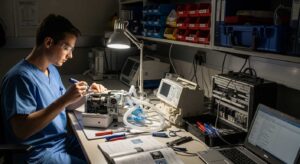
Every treatment session depends on equipment accuracy. When ultrasound therapy machines are properly maintained, clinicians can deliver consistent care patients trust.
Facilities that invest in professional servicing not only protect their equipment but also strengthen their reputation for safe, high-quality healthcare.
Take the Next Step Toward Reliable Ultrasound Therapy Equipment
An ultrasound therapy machine is more than a piece of equipment — it is an investment in patient recovery and clinical efficiency. Choosing the right system and maintaining it properly ensures consistent results and long-term value.
If your facility needs professional installation, inspection, calibration, or repair services, working with experienced biomedical specialists makes all the difference.
Contact Syracuse Biomedical Services today to learn how expert medical equipment servicing can help reduce downtime, maintain compliance, and keep your ultrasound therapy systems performing at their best.
Frequently Asked Questions:
1. What is an ultrasound therapy machine used for?
It uses high-frequency sound waves to support rehabilitation, pain management, and soft tissue treatment.
2. Where are ultrasound therapy machines used?
They are commonly used in physical therapy clinics, hospitals, rehabilitation centers, and sports medicine facilities.
3. Where can I get an ultrasound therapy machine serviced in Syracuse, NY?
Syracuse Biomedical Services provides biomedical equipment maintenance, repair, calibration, and testing in Syracuse and Central New York.
4. How often should an ultrasound therapy machine be calibrated?
Calibration and performance checks should follow the manufacturer’s recommendations and the facility’s preventive maintenance schedule.
5. Why is ultrasound therapy machine maintenance important?
Regular maintenance helps ensure accurate treatment output, reduce equipment downtime, and support patient safety.
To explore Biomedical Services in more detail, follow these links:
- A Simple Guide to Understanding Sphygmomanometer Parts
- CT Scan Cost Explained: With and Without Insurance
- Trust the Experts for Delicate Lens Care: Learn How to Clean the Microscope Lens Without Common Pitfalls
- Restrictions While Wearing A Holter Monitor
- How Much Do X Rays Cost Without Insurance? What to Expect in 2026


