Why Medical Equipment Maintenance Matters for Better Healthcare
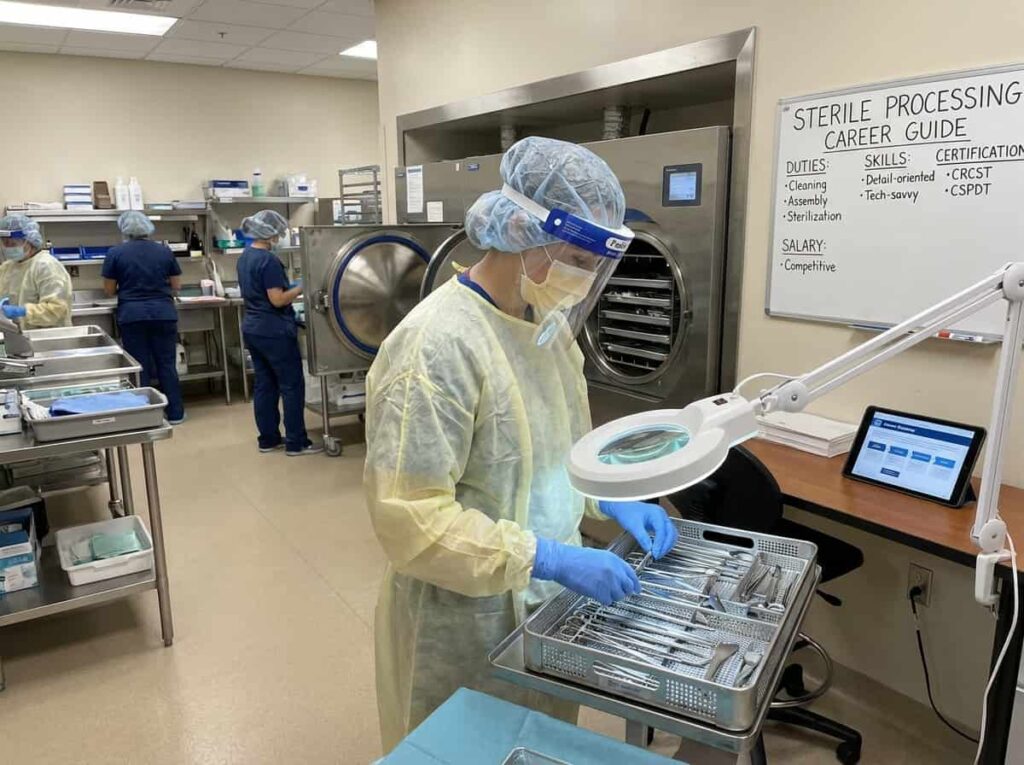
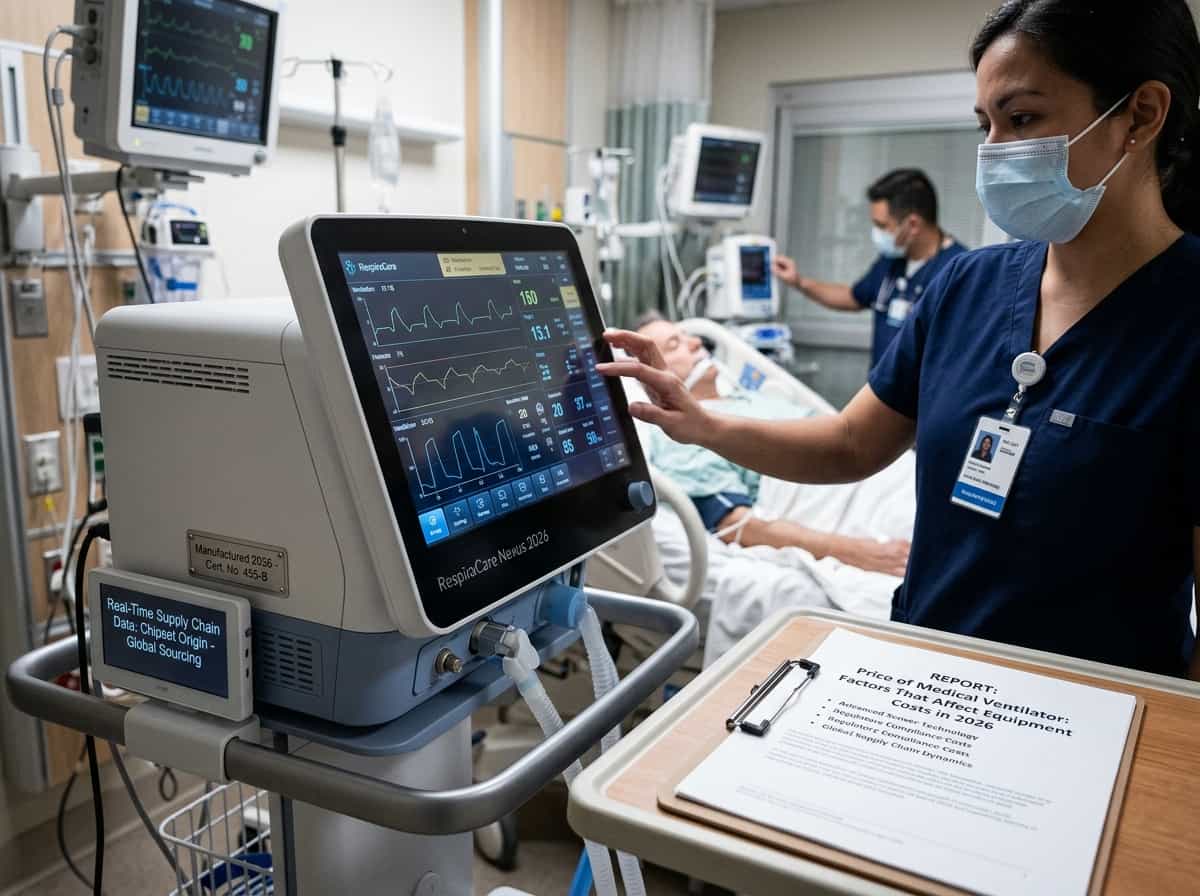
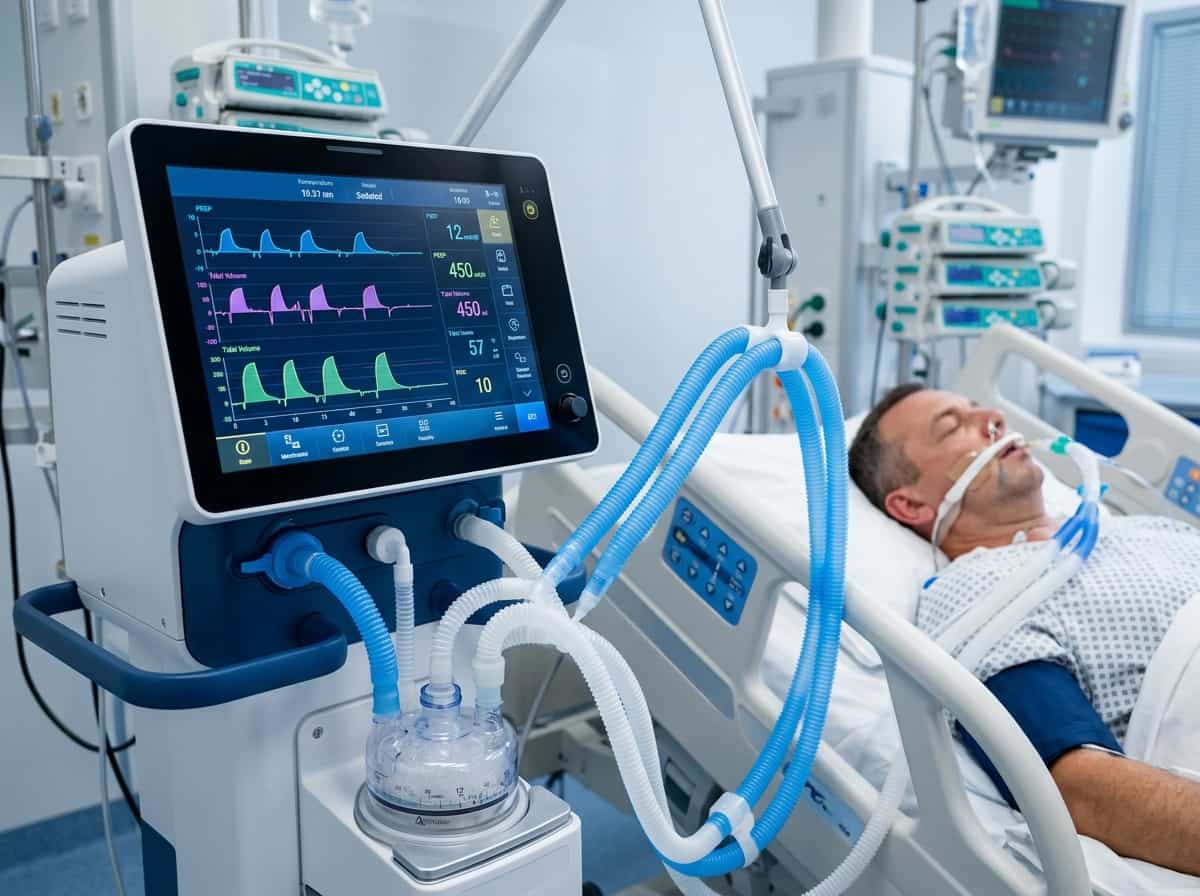
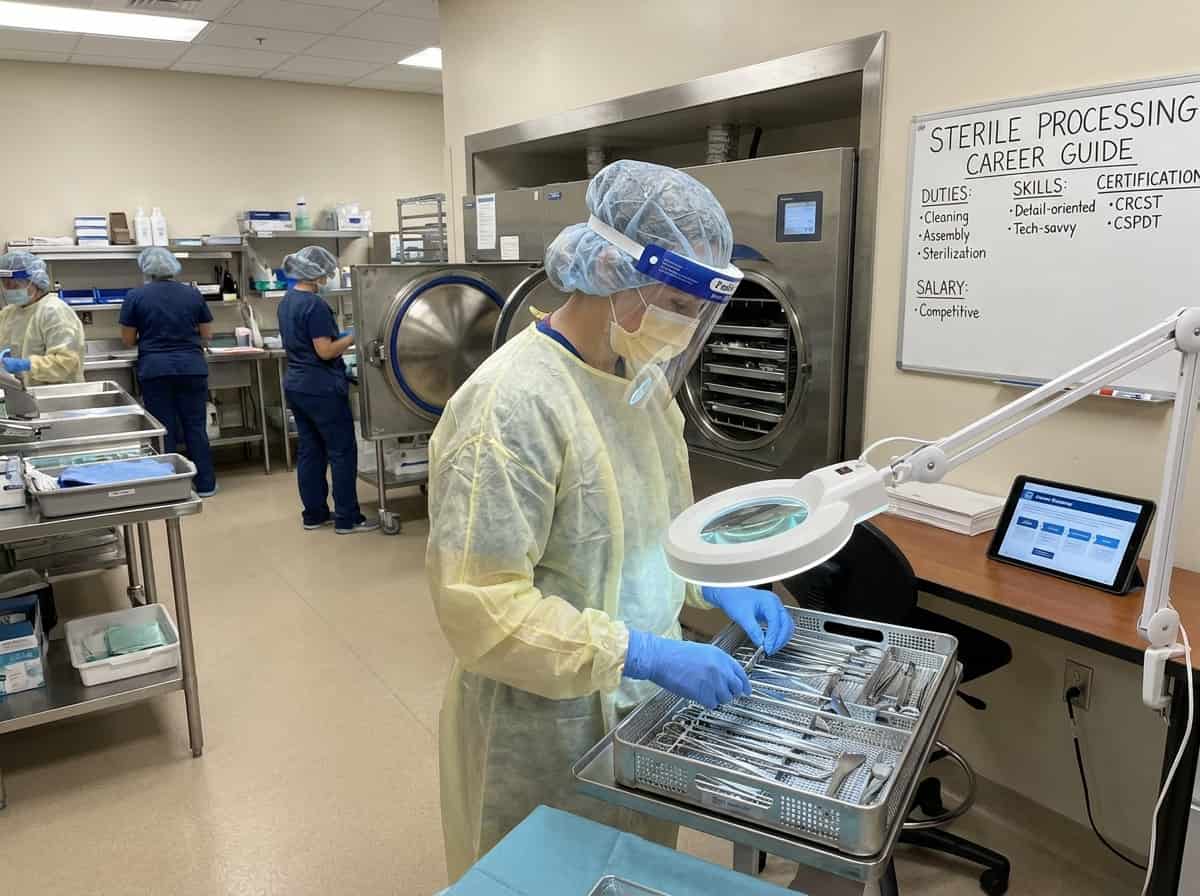
Medical equipment maintenance management is all about ensuring that the machines and tools used in healthcare settings are always in peak condition. This includes everything from high-tech MRI scanners to basic blood pressure cuffs. Think of it as the regular maintenance your car needs to keep running smoothly, but for medical devices that are critical for patient care.
What Does Medical Equipment Maintenance Management Aim to Achieve?
The primary goal is simple: to make sure that medical equipment is always ready to perform when needed. By keeping everything in good working order, medical professionals can focus on providing excellent care without worrying about equipment failures. It’s like having a reliable toolkit that’s always prepared for any task at hand.
The Importance of Maintaining Medical Equipment
Regular medical equipment maintenance is crucial for several reasons. First, malfunctioning equipment can delay or compromise patient care. Imagine if an X-ray machine broke down in the middle of a critical diagnostic procedure—that’s a problem nobody wants to face. Second, keeping equipment well-maintained extends its lifespan, saving money over time. Plus, it ensures compliance with safety regulations, avoiding potential legal issues.
Top 5 Challenges in Managing Medical Equipment Maintenance
High Costs: Maintenance and repairs can be pricey, especially for sophisticated machines. Balancing the budget for these expenses can be a challenge.
Complexity of Equipment: Modern medical equipment is often complex and requires specialized knowledge for maintenance. Keeping up with the latest technology and training can be demanding.
Downtime: When equipment is being maintained, it’s not available for use, which can disrupt services in busy hospitals or clinics.
Regulatory Compliance: Hospitals must adhere to strict regulations for equipment maintenance. Navigating these rules can be both complex and time-consuming.
Staff Training: Ensuring that maintenance staff are properly trained is crucial but can be costly and require ongoing education.
5 Big Benefits of Good Equipment Maintenance
Safer Equipment: Regular maintenance ensures equipment works safely, reducing the risk of accidents and keeping patients safe.
Better Patient Care: Well-maintained equipment gives accurate results, helping doctors provide better care and treatments.
Saving Money: Fixing small problems early avoids expensive repairs and helps equipment last longer, saving money.
Following Rules: Properly maintained equipment helps hospitals follow safety rules and avoid fines or legal issues.
Smoother Operations: When equipment works well, there are fewer delays, helping the hospital run more smoothly.
How EAM is Changing Medical Equipment Maintenance
Enterprise Asset Management (EAM) systems are revolutionizing medical equipment maintenance. EAM tools help manage every aspect of equipment maintenance, from scheduling routine checks to tracking repairs. Imagine having a smart assistant that keeps everything organized and ensures nothing falls through the cracks. This level of management helps maintain equipment in peak condition and minimizes downtime.
The Role of EAM in Healthcare
For healthcare facilities, EAM systems are particularly valuable. They streamline maintenance processes, track regulatory compliance, and provide insightful data for decision-making. With EAM, hospitals and clinics can maintain their equipment more effectively, leading to better patient care and more efficient operations.
Summary
Taking care of medical equipment is important to keep hospitals and clinics working safely and smoothly. Even though it can be difficult because of high costs and complex rules, the benefits are big. Regular maintenance makes equipment safer, helps doctors give better care to patients, and saves money in the long run. Tools like EAM systems can make managing maintenance easier and more efficient. By staying on top of these tasks, hospitals can make sure their equipment is always ready to help patients when needed.
Frequently Asked Questions (FAQs) on Medical Equipment Maintenance Management
1. What is medical equipment maintenance management?
Medical equipment maintenance management refers to the process of keeping all medical devices—ranging from advanced machines like MRI scanners to basic tools like thermometers—in safe, functional, and reliable condition. It ensures that healthcare providers can deliver care without interruptions caused by equipment failure.
2. Why is medical equipment maintenance important?
Regular maintenance prevents unexpected breakdowns, ensures accurate test results, protects patient safety, reduces long-term costs, and helps hospitals stay compliant with regulatory requirements.
3. What are the main goals of medical equipment maintenance?
The goals are to:
Ensure equipment is always ready for use
Minimize downtime
Extend the lifespan of devices
Guarantee compliance with safety standards
Support smooth and efficient hospital operations
4. What are the biggest challenges in managing medical equipment maintenance?
High costs of repairs and parts
Complexity of advanced medical technology
Downtime during repairs and servicing
Regulatory compliance requirements
Staff training needs for specialized equipment
5. What benefits do hospitals gain from proper equipment maintenance?
Improved patient safety
More accurate diagnoses and treatments
Cost savings from preventing major repairs
Easier compliance with healthcare regulations
Streamlined hospital operations with less disruption
6. How often should medical equipment be maintained?
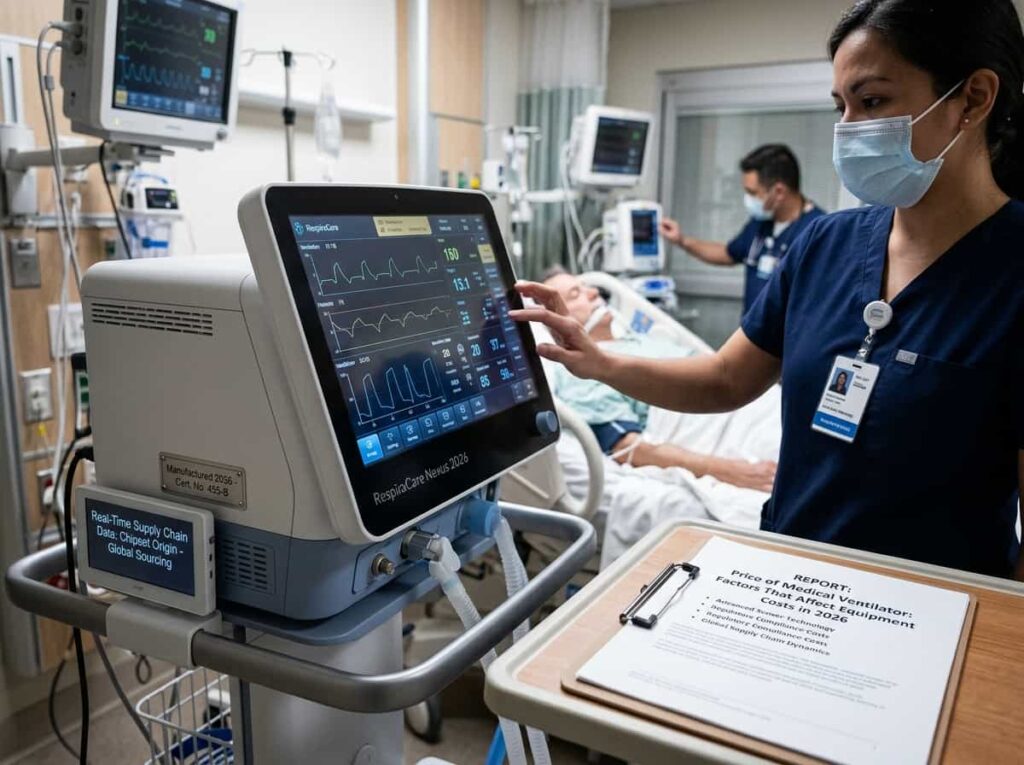
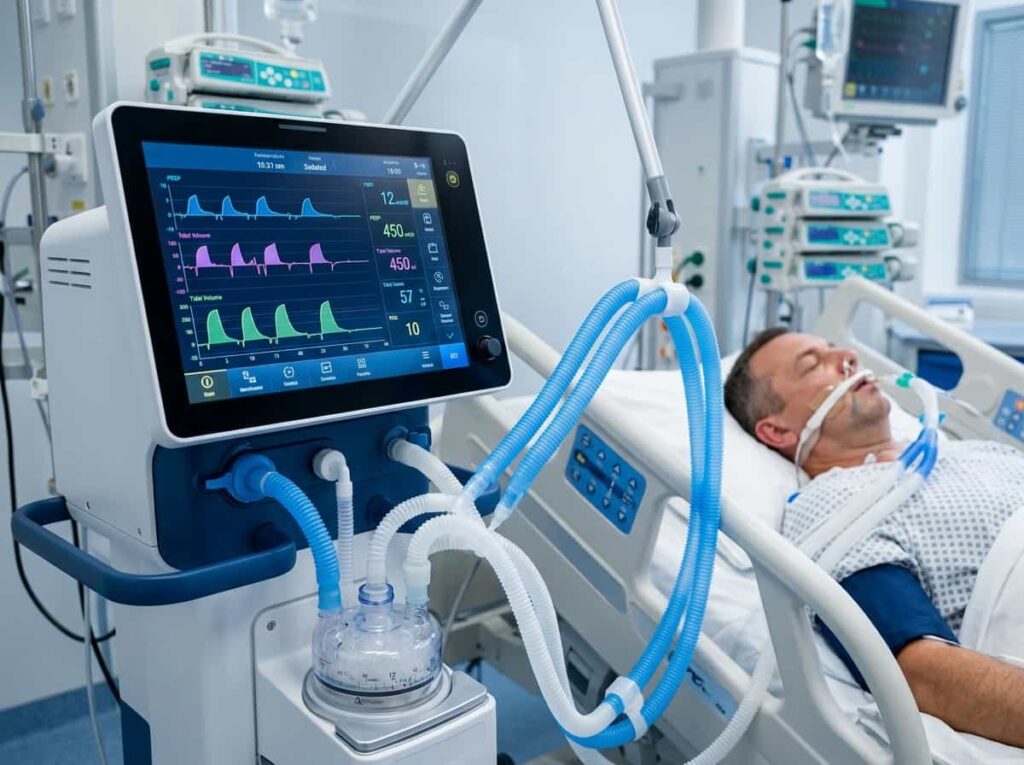
The frequency depends on the type of equipment, manufacturer’s recommendations, and local regulatory guidelines. Critical devices like ventilators or defibrillators may require more frequent checks than basic diagnostic tools.
7. What role does Enterprise Asset Management (EAM) play in maintenance?
EAM systems help healthcare facilities schedule, track, and document equipment maintenance. They act like a central dashboard that ensures tasks aren’t missed, supports compliance, and provides data insights for better decision-making.
8. Who is responsible for maintaining medical equipment?
Maintenance is usually handled by a hospital’s biomedical engineering team or outsourced to certified service providers. Staff must also be trained to recognize early signs of malfunction and report issues promptly.
9. How does proper maintenance save money?
By fixing small issues early, hospitals avoid major repairs or replacements. Regular servicing also extends the lifespan of expensive equipment, providing long-term financial savings.
10. How does maintenance affect patient care?
Well-maintained equipment produces reliable results, reduces delays in treatment, and increases overall patient safety—helping healthcare professionals focus on providing the best care.