Hospitals and clinics rely on many types of medical equipment to provide safe, effective care. Among these, suction machines play a critical role in keeping patients healthy and procedures safe. These devices remove fluids, secretions, and other obstructions from a patient’s airway or surgical site, helping doctors and nurses maintain a clear view during procedures and reduce risk in emergencies.
At Syracuse Biomedical Services, we understand how vital reliable equipment is. For years, we’ve supported healthcare facilities in central New York with equipment maintenance, repair, and preventive servicing, ensuring that devices like suction machines always work when they’re needed most. In this guide, we’ll explore how suction machines are used in hospitals, their applications across medical departments, and why professional servicing is key to efficiency and safety.
How Suction Machines Are Used in Hospitals and Clinics

What Is a Suction Machine?
A suction machine is a medical device designed to remove fluids, mucus, blood, or other obstructions from a patient’s body. Hospitals typically use portable suction units for flexibility and wall-mounted suction systems for consistent performance in critical care areas. Core components include a vacuum pump, tubing, and a collection canister.
These machines are essential in emergency rooms, intensive care units (ICUs), operating rooms, and general patient wards, making them indispensable for patient safety and smooth hospital operations. According to FDA guidance on medical device servicing, proper maintenance and servicing are essential to ensure that medical devices continue to perform safely and effectively throughout their lifecycle, helping healthcare facilities maintain compliance and device reliability.
Key Uses in Hospital Settings
| Application | Description |
| Emergency Care | Suction machines help clear airways in patients who are unable to breathe properly, often in life-threatening situations. Rapid, reliable suction can prevent respiratory failure and save lives. |
| Surgical Procedures | During surgeries, suction machines remove blood and bodily fluids, allowing surgeons to see clearly and perform procedures safely. |
| Post-Operative Recovery | Patients recovering from surgery or trauma may accumulate secretions that need to be cleared to prevent infection. Suction machines help maintain a safe recovery environment. |
| Respiratory Therapy | Patients with tracheostomies or chronic respiratory conditions often rely on suction machines daily to keep airways clear. |
By understanding these basic functions, hospital staff can better appreciate why equipment reliability and proper maintenance are so important.
Suction Machine Applications Across Different Medical Departments

Suction machines are not one-size-fits-all. Their applications vary by department, each requiring specific features and performance standards.
Emergency and Critical Care Departments
In ICUs and emergency rooms, suction machines are crucial for rapid airway clearance. These environments demand high reliability because seconds can mean the difference between life and death. Proper equipment ensures that patients receive fast, effective care. Features like adjustable vacuum pressure and portable backup units are essential to meet the unpredictable needs of emergency care.
Surgical Departments
Operating rooms use suction machines to remove blood and fluids during procedures. Precision matters here: even minor malfunctions can disrupt surgeries and risk patient safety. Surgeons prefer machines that are easy to sterilize, reliable, and calibrated for accurate suction levels. Biomedical services like preventive maintenance can help ensure that these devices meet strict operating room standards.
General Patient Care Wards
Suction machines in general wards support recovery and routine patient care. They are commonly used for post-operative patients, respiratory therapy, and preventing complications such as aspiration. Portable suction machines are often preferred in these settings because they can easily be moved between rooms to accommodate multiple patients.
Pediatric and Specialty Departments
Clinical practice guidelines indicate that suctioning in neonatal and pediatric patients should use lower suction pressures (e.g., < –120 mm Hg) and appropriately sized catheters to safely manage secretions and minimize the risk of injury in delicate airways (Blakeman, Scott, Yoder, Capellari, & Strickland, 2022).
Schedule Expert Suction Machine Servicing for Maximum Efficiency

Even the best suction machines can fail if they are not properly maintained. Downtime or equipment failure can have serious consequences for patient care and hospital workflow. Common issues include loss of suction power, clogged tubing, and pump malfunctions. That’s why professional servicing is not just helpful—it’s essential.
Importance of Regular Maintenance
Regular maintenance keeps equipment reliable, compliant, and safe. It extends the life of the device and reduces the likelihood of unexpected breakdowns. Research and industry practice indicate that regular preventive maintenance of medical devices helps reduce equipment downtime and emergency failures, supporting more reliable performance during clinical care situations (Oxmaint, 2025; GCX, 2024).
Benefits of Professional Biomedical Support
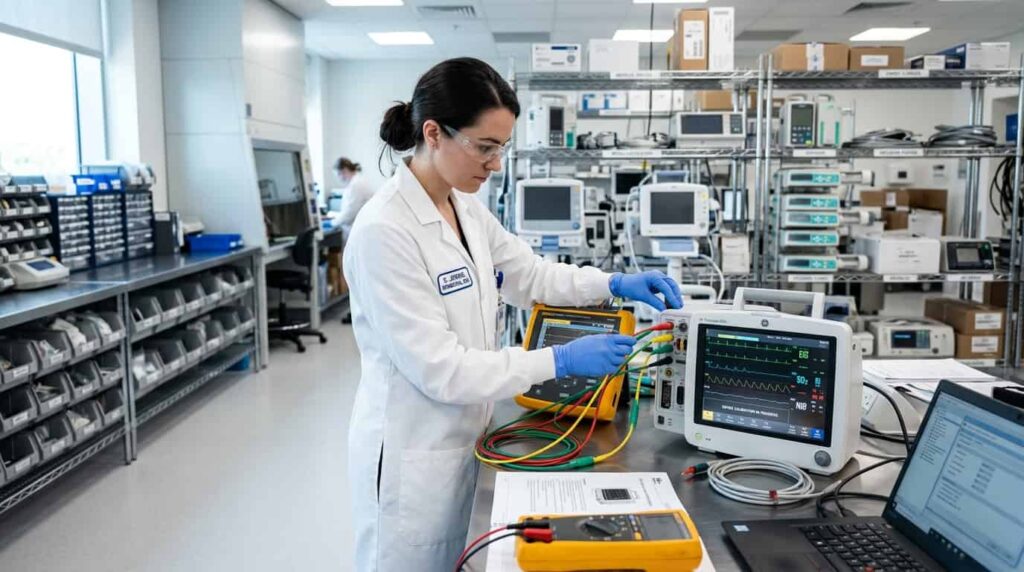
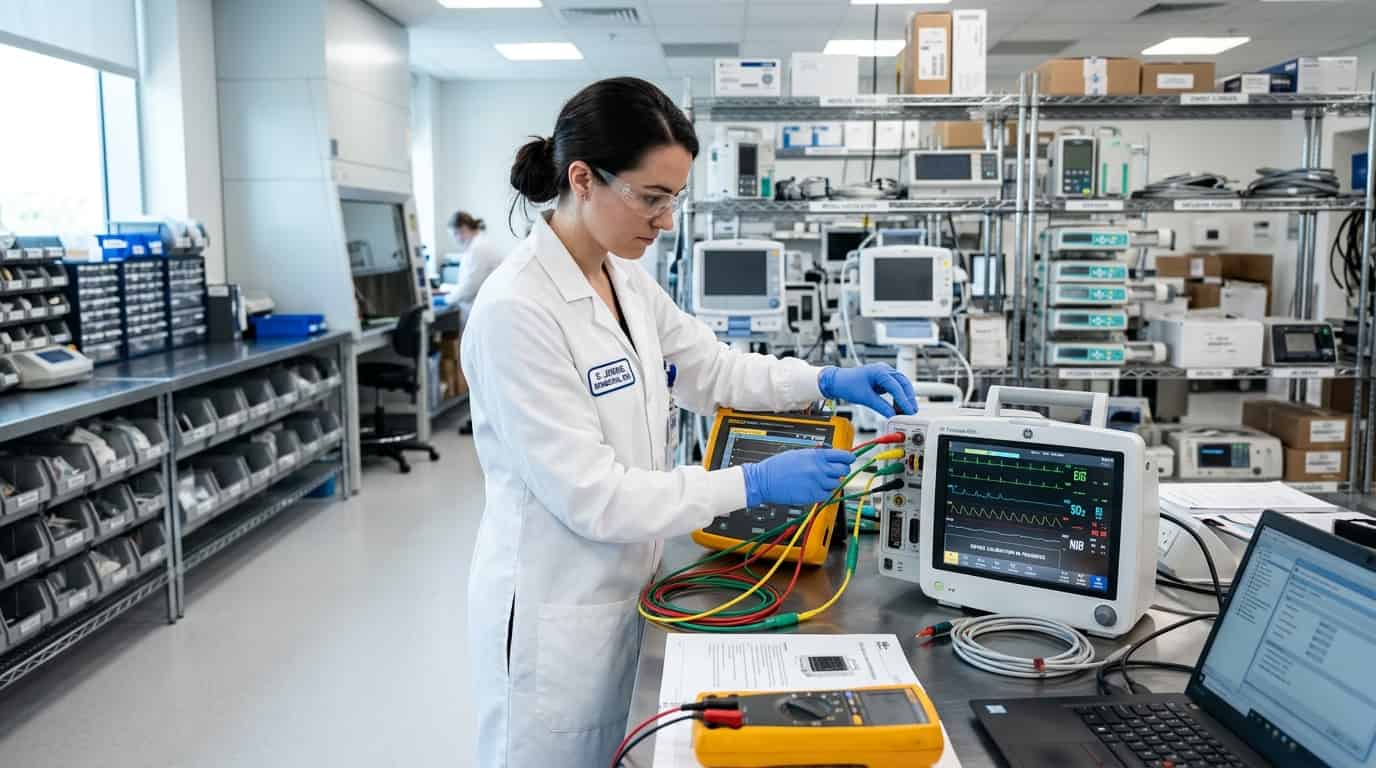
At Syracuse Biomedical Services, our biomedical technicians provide preventive maintenance, calibration, and repair services for suction machines and other critical medical equipment. Working with professionals ensures that your machines:
- Meet FDA and safety standards.
- Maintain consistent performance across all departments.
- Minimize the risk of emergency failures.
Solving Real Equipment Pain Points
Healthcare facilities often face challenges like unexpected equipment downtime, inconsistent suction power, or noncompliance issues. Professional servicing addresses these pain points by identifying problems before they affect patient care, optimizing performance, and ensuring staff can rely on their equipment day in and day out.
Call to Action
Ensure your suction machines are ready when patients need them. Schedule expert servicing with Syracuse Biomedical Services today to protect your equipment and provide safer, more efficient care for your patients.
Conclusion – Maximizing Equipment Performance and Patient Safety

Suction machines are indispensable in every hospital and clinic—from emergency rooms and ICUs to pediatric and specialty wards. Understanding their applications and ensuring professional maintenance improves patient outcomes, reduces downtime, and extends equipment life.
With years of experience in biomedical equipment services, Syracuse Biomedical Services provides the expertise hospitals need to keep suction machines and other critical devices in top condition. Don’t wait for equipment issues to impact patient care—schedule expert servicing today and ensure your hospital or clinic is prepared for any situation.
FAQ – Suction Machines in Hospitals and Clinics
Q1: What is a machine used for?
A suction machine removes fluids, mucus, or blood from a patient’s airway or surgical site to keep patients safe and procedures clear.
Q2: Are machines used in all hospital departments?
Yes. They are commonly used in emergency rooms, ICUs, operating rooms, recovery wards, and pediatric units.
Q3: How often should the machines be serviced?
Regular preventive maintenance is recommended according to the manufacturer’s guidelines or hospital policy to ensure safe and reliable operation.
Q4: Can suction machines be used for children and infants?
Yes. Pediatric and neonatal patients require lower suction pressures and appropriately sized catheters for safe use.
Q5: Who should perform maintenance on suction machines?
Biomedical technicians or qualified personnel should handle maintenance, repair, and calibration to meet safety standards.
Further details regarding Biomedical Services can be found through the links below.
- A Simple Guide to Understanding Sphygmomanometer Parts
- CT Scan Cost Explained: With and Without Insurance
- Trust the Experts for Delicate Lens Care: Learn How to Clean the Microscope Lens Without Common Pitfalls
- Restrictions While Wearing A Holter Monitor
- How Much Do X Rays Cost Without Insurance? What to Expect in 2026