When you need an X-ray, finding the right facility can feel stressful, especially if you are dealing with pain or an injury. If you are searching for where to get an xray near me, it helps to know what type of exam you need, whether you need a referral, and what to ask before booking.
X-rays help healthcare providers look inside the body without surgery. They can help identify broken bones, check certain lung conditions, and support other medical decisions. However, not every imaging center offers the same tests, so it is important to confirm that a facility can meet your needs.
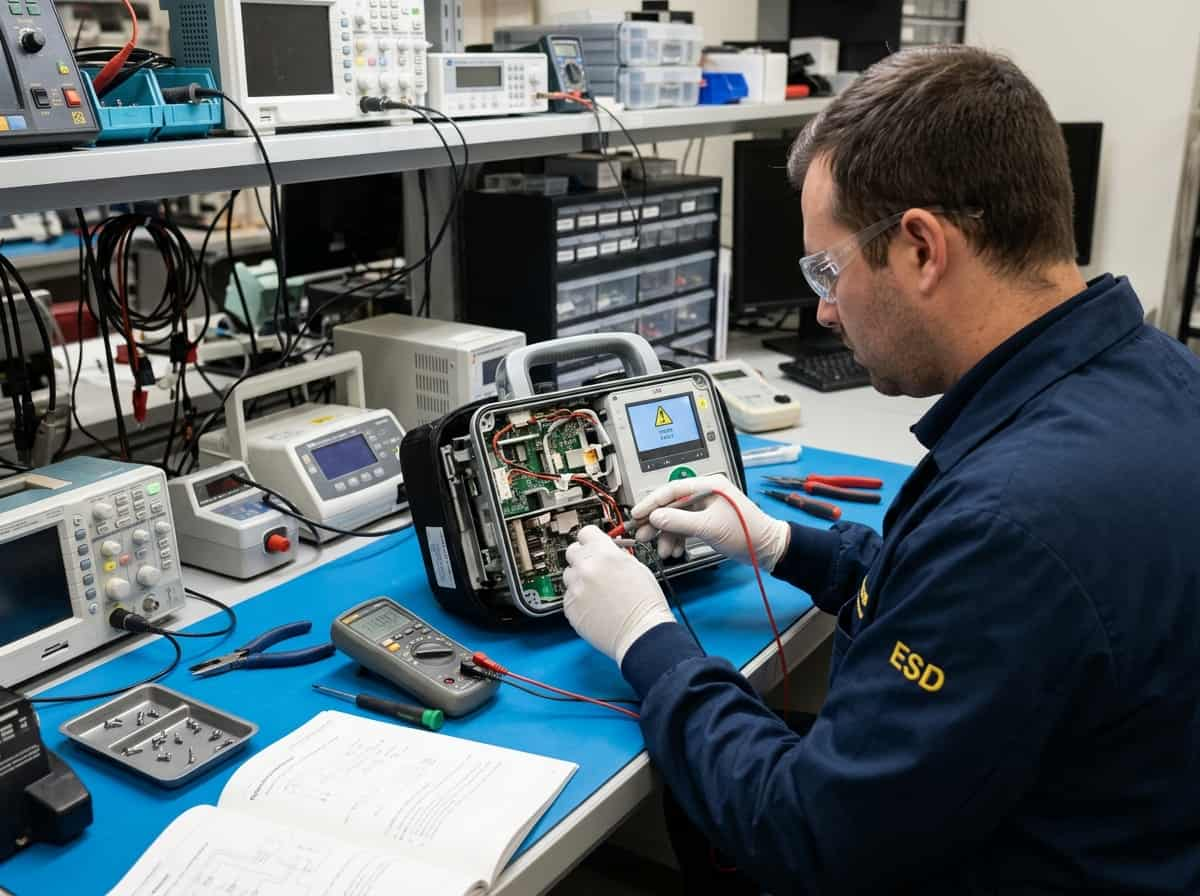
For healthcare facilities, reliable imaging also depends on equipment that is properly maintained and checked. Syracuse Biomedical Services supports healthcare organizations in Syracuse and the surrounding Central New York region with biomedical equipment repair and preventive maintenance services.
Where Can You Get an X-Ray, and When Might a Doctor Recommend One?
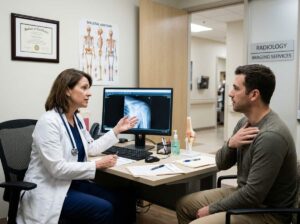
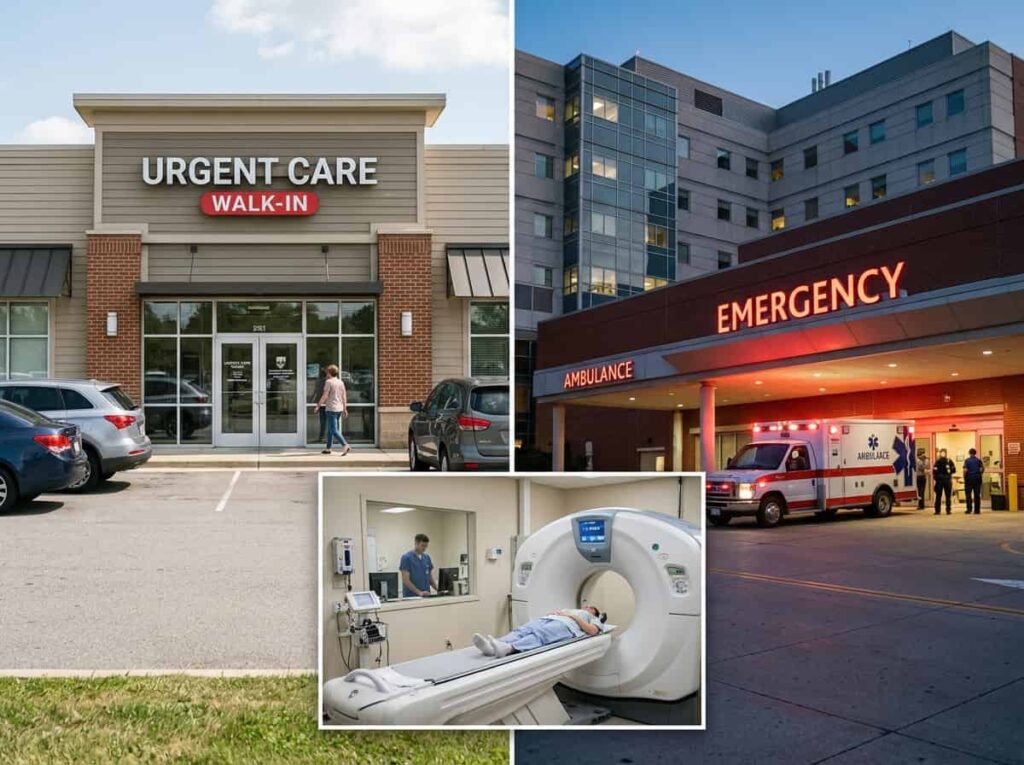
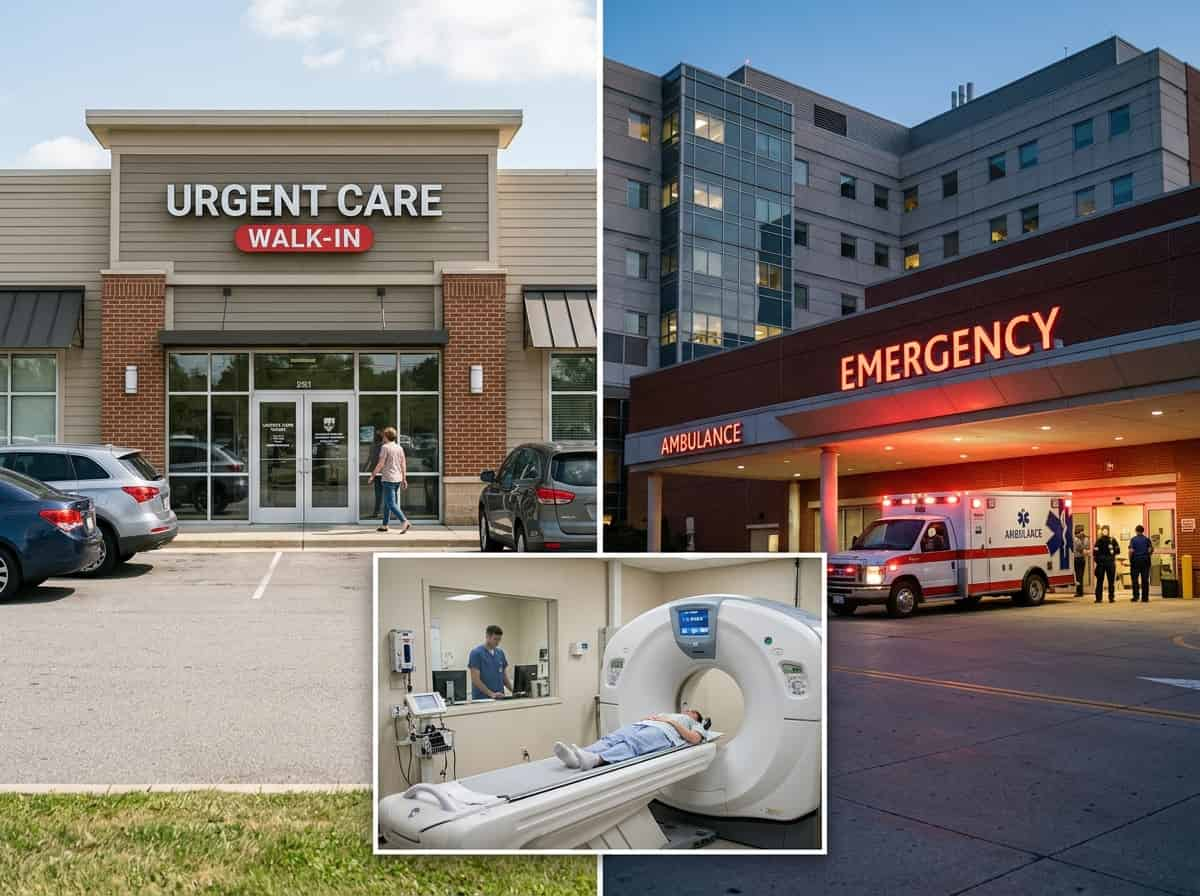
You can usually get an X-ray through a hospital, medical imaging center, or another healthcare facility that offers diagnostic imaging. Your healthcare provider can help you understand which type of exam you need and where to arrange it.
What Health Problems Can an X-Ray Help Identify?
An X-ray creates images of structures inside the body. Healthcare providers may recommend one to check for:
- Broken bones and certain joint injuries
- Changes in bone position or alignment
- Some lung conditions
- Certain dental problems
- Other concerns that need further medical review
An X-ray may not provide enough detail to answer every medical question. Depending on your symptoms, your provider may recommend another test, such as an ultrasound, MRI, or CT scan.
The right test depends on your symptoms, medical history, and the reason for the exam. Do not choose a test based only on an online search. Ask a healthcare professional what is appropriate for your situation.
What Is the Difference Between an X-Ray, MRI, and CT Scan?
These imaging tests serve different purposes.
| Imaging Test | How It Works | Common Uses |
| X-ray | Uses a small amount of radiation to create images of the body. | Examining bones, fractures, and certain chest conditions. |
| MRI | Uses magnets and radio waves to create detailed images of body structures. | Examining soft tissues, joints, the brain, and the spinal cord. |
| CT Scan | Uses X-rays and computer processing to create cross-sectional images. | Examining internal organs, bones, and certain injuries or medical conditions. |
Each test has its own benefits and limits. Your healthcare provider can explain why one test may be more useful than another.
Do You Need a Referral for an X-Ray?
Referral requirements vary by facility, exam, and local rules. Some imaging centers require an order from a healthcare provider before they can schedule your exam.
If you already have an order, check that it lists the correct test and body area. If you do not have one, contact the imaging center or your healthcare provider to ask about the next step.
Where to Get an Xray Near Me: What to Know Before Choosing an Imaging Center
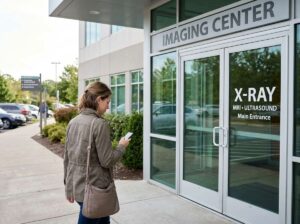
When choosing an imaging center, look beyond how close it is to your home or workplace. You also need to know whether it offers the right exam, how to book, and what the visit may cost.
How Do You Choose the Right Imaging Center?
Start by searching for medical imaging centers near your location. Review their listed services, then contact the facility to confirm it offers the X-ray you need.
Before booking, check these details:
- Available services: Does the center offer your specific X-ray exam?
- Appointments: Does it accept walk-ins, or must you book ahead?
- Referral rules: Do you need an order from your healthcare provider?
- Insurance and cost: Does the center accept your insurance, and will you have any out-of-pocket costs?
- Location and access: Is the facility easy to reach and suitable for your needs?
- Results: How and when will the results be shared with your healthcare provider?
These questions can help you avoid delays and prepare for your appointment.
Are X-Rays Safe?
X-rays are widely used in healthcare, but they involve ionizing radiation. The U.S. Food and Drug Administration (FDA) recommends performing X-ray exams only when medically necessary to answer a clinical question or guide treatment. It also advises imaging teams to use the lowest radiation dose that can produce an image suitable for diagnosis, following the As Low As Reasonably Achievable (ALARA) principle (U.S. Food and Drug Administration [FDA], n.d.).
Tell your healthcare provider and imaging team if you are pregnant or think you may be pregnant. Ask why the exam is needed and whether another test may be suitable. Your provider can explain the benefits and risks based on your situation.
Why Does Imaging Equipment Maintenance Matter?
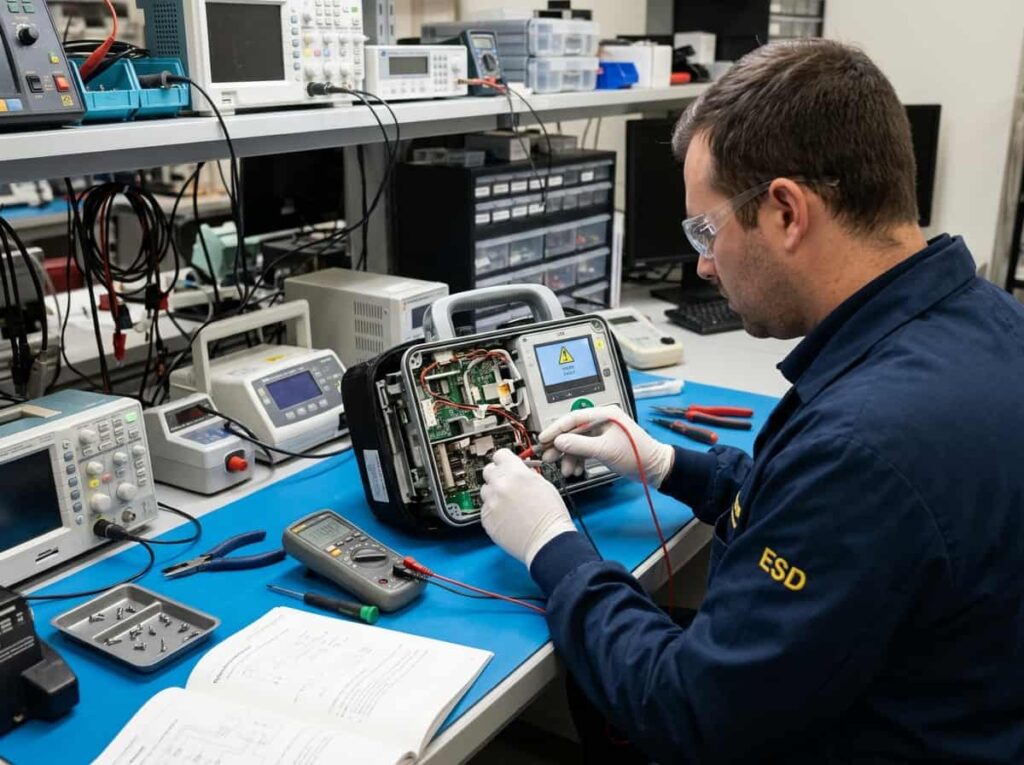
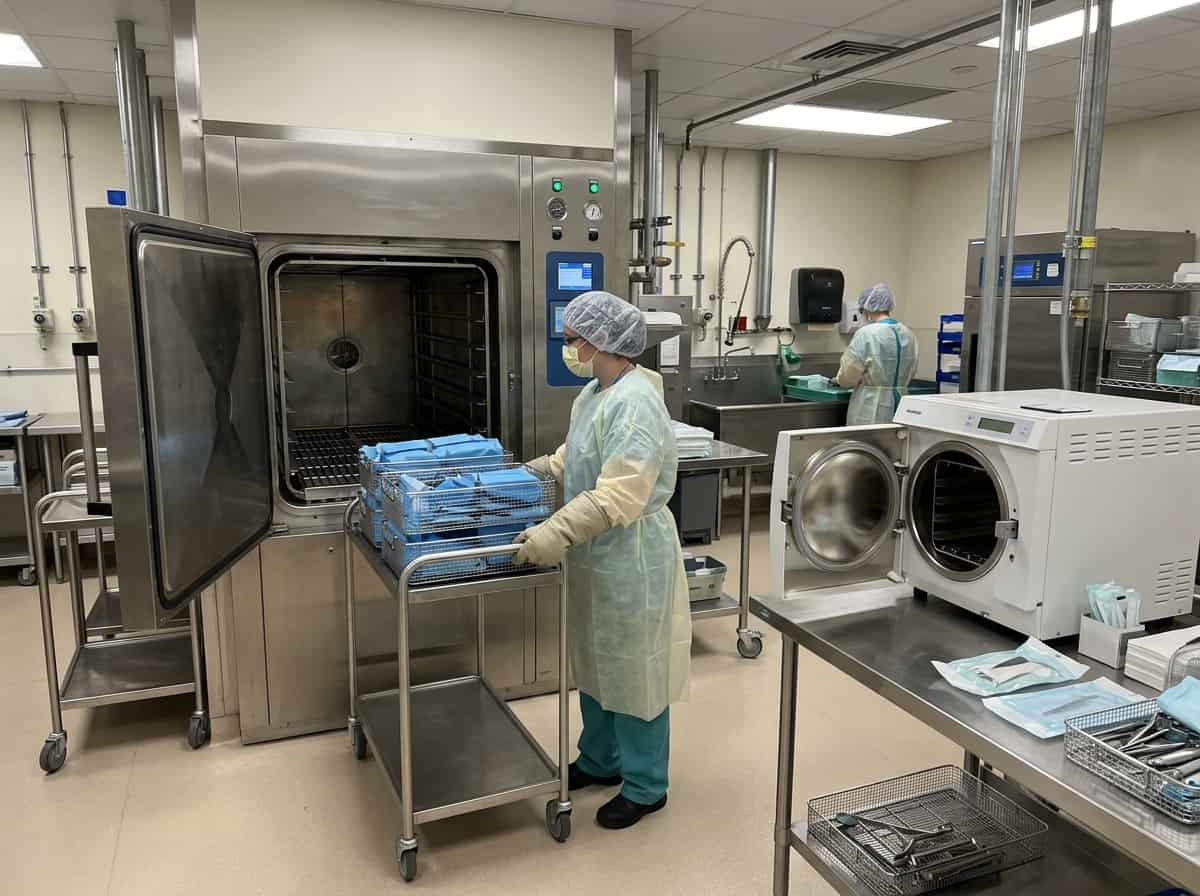
Finding a nearby imaging center is important for patients, but the equipment behind the exam matters too. Healthcare facilities need processes to check medical equipment, identify problems, and arrange service when required.
Proper maintenance and testing help ensure that X-ray equipment functions as intended and produces images suitable for diagnosis. The U.S. Food and Drug Administration (FDA) recommends proper equipment maintenance, regular quality-control testing, and facility quality assurance practices to support image quality and radiation safety (U.S. Food and Drug Administration [FDA], n.d.).
If equipment displays an error, behaves unexpectedly, or stops working, staff should follow facility procedures and arrange an appropriate technical review. Equipment should only return to clinical use after the required checks are completed.
What Should You Ask Before Your Appointment?
Before you visit an imaging center, ask:
- Do you offer the exam on my order?
- Do I need a referral or appointment?
- What documents should I bring?
- Is there any preparation I need to follow?
- What insurance plans do you accept?
- How will I receive my results?
A short call can help you understand what to expect and make your visit easier to plan.
Where to Get an Xray Near Me: How Healthcare Facilities Can Find Reliable Imaging Support
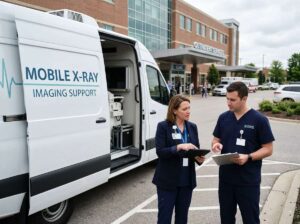
For healthcare organizations, patient imaging is only one part of a larger system. Equipment must be maintained, performance concerns must be addressed, and service work must be documented according to the facility’s procedures and applicable requirements.
Why Is Preventive Maintenance Important?
Preventive maintenance involves planned inspections, servicing, and checks designed to help equipment remain in working condition. It allows facilities to look for signs of wear or developing faults instead of waiting for a breakdown.
A suitable maintenance plan can help healthcare facilities:
- Identify equipment concerns early
- Plan service around clinical operations
- Keep service records organized
- Support reliable equipment performance
- Reduce the risk of unexpected interruptions
Maintenance schedules depend on the equipment, how often it is used, manufacturer guidance, and relevant requirements. Each facility should follow the procedures that apply to its equipment.
What Should You Do When Medical Equipment Needs Repair?
When equipment stops working as expected, staff should document the problem and follow the facility’s reporting process. The next step is to contact a service provider with experience relevant to that type of equipment.
Before arranging service, prepare the equipment’s make and model, the issue or error message, and any available service history. These details can help the provider assess the request.
Not every biomedical service provider works on every imaging system. For specialized equipment, confirm service availability before scheduling work.
How Can Syracuse Biomedical Services Help Healthcare Facilities?
Syracuse Biomedical Services provides biomedical equipment repair, preventive maintenance, and calibration support for healthcare facilities in Syracuse and the surrounding Central New York region. Its services help organizations manage equipment needs and support reliable daily operations (Syracuse Biomedical Services, n.d.).
The company supports a range of clinical equipment and offers service options based on equipment needs. Healthcare facilities considering service for an X-ray system or other specialized imaging equipment should contact the company to confirm that the specific make and model fall within its service scope.
To discuss equipment service, prepare the device details and explain the issue your team has noticed. Clear information helps start the conversation about suitable next steps.
Explore biomedical equipment repair services or preventive maintenance programs to learn more.
Conclusion
Finding where to get an xray near me starts with knowing which exam you need and choosing a facility that offers it. Check referral requirements, appointment options, insurance, and preparation instructions before your visit. Ask your healthcare provider if you are unsure which test is right for you.
Healthcare facilities also need reliable processes for maintaining medical equipment. Preventive maintenance and timely technical support help teams manage equipment concerns and plan service needs.
Need biomedical equipment repair or preventive maintenance in the Syracuse area? Visit Syracuse Biomedical Services to explore its services or contact the team to discuss your facility’s equipment needs.