Introduction
In modern hospitals, fast and accurate diagnosis can save lives. One of the most important tools doctors use is medical imaging, especially CT (Computed Tomography) scans. These scans help doctors look inside the body without surgery and find serious health problems within minutes. Understanding what can CT scans detect is essential, as they can identify a wide range of conditions, including fractures, tumors, internal bleeding, infections, blood clots, and other abnormalities that may require immediate medical attention.
If you have ever wondered what can CT scans detect, the answer is wide-ranging. CT imaging can reveal injuries, diseases, infections, and even life-threatening conditions like stroke or internal bleeding.
However, accurate results depend not only on the scan itself, but also on the condition of the imaging equipment. This is where biomedical equipment services play a key role in keeping hospital machines reliable, safe, and precise.
Common Conditions Diagnosed Through Medical Imaging in Hospitals
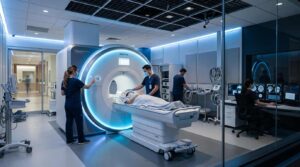
Medical imaging is used in almost every part of a hospital. It helps doctors understand what is happening inside the body without surgery or invasive procedures.
CT scans, X-rays, and MRI machines are used to diagnose a wide range of health conditions.
Emergency Conditions Found Through Imaging
In emergency rooms, time is very important. CT scans are often used first because they are fast and detailed. When people ask what can CT scans detect, the answer often includes many of the life-threatening conditions commonly seen in emergency care.
They help detect:
- Internal bleeding after accidents
- Head injuries and brain trauma
- Broken bones and complex fractures
- Organ damage from serious injury
Doctors rely on imaging because symptoms alone may not show how serious the condition really is.
Chronic and Long-Term Diseases
Medical imaging also helps find diseases that develop slowly over time. These conditions may not show early symptoms but can become serious if untreated.
Examples include:
- Cancer in the lungs, liver, or pancreas
- Heart and blood vessel problems
- Tumors in internal organs
- Changes in organ size or structure
The Radiological Society of North America notes that CT imaging is widely used in modern medicine for early disease detection and treatment planning, particularly in emergency and oncology care (Radiological Society of North America, n.d.).
Infections and Inflammation
CT scans also help doctors identify infections inside the body.
Common cases include:
- Pneumonia in the lungs
- Appendicitis in the abdomen
- Kidney or bladder infections
- Internal swelling or inflammation
These conditions are sometimes difficult to diagnose through physical exams alone, making imaging essential.
What Can CT Scans Detect? Key Diseases and Conditions Identified Through CT Imaging
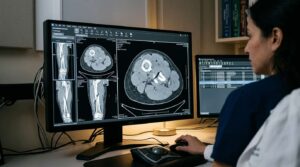
Now let’s focus on the main question: what can CT scans detect in hospitals?
A CT scan uses X-rays combined with computer processing to create detailed images of bones, organs, and soft tissues. This allows doctors to see problems that are not visible from the outside.
| Category | Conditions CT Scans Can Detect | Clinical Relevance / Notes |
| Brain and Neurological Conditions | – Stroke (ischemic or hemorrhagic)
– Brain hemorrhages – Head injuries from trauma – Brain tumors or abnormal growths |
CT scans are widely used in neurology because they deliver fast imaging results during emergencies. In stroke cases, rapid detection is critical for treatment decisions that can improve survival outcomes. |
| Chest and Lung Conditions | – Lung cancer
– Pulmonary embolism (blood clots in lungs) – Severe pneumonia – Chronic lung diseases |
CT imaging is essential in evaluating chest conditions and respiratory infections. Chest imaging is commonly used in hospital settings to assess severe respiratory illness, including pneumonia and COVID-19 cases requiring clinical care. |
| Abdominal and Digestive System Conditions | – Appendicitis
– Kidney stones – Liver disease or tumors – Bowel obstruction – Internal bleeding |
CT scans are frequently used for patients with unexplained abdominal pain. They help doctors quickly identify internal conditions and determine whether surgical intervention is needed. |
| Bone, Joint, and Trauma Injuries | – Hidden or complex fractures
– Spinal injuries – Joint damage – Severe accident-related trauma |
CT imaging provides high-detail visualization of bones and is widely used in emergency and orthopedic departments for trauma evaluation and injury assessment. |
Why CT Accuracy Depends on Equipment Performance
Even though CT scans are powerful, their accuracy depends heavily on machine performance.
If the equipment is not properly maintained, it may lead to:
- Blurry or distorted images
- Incorrect scan readings
- Delayed diagnoses
- Reduced diagnostic confidence
Hospitals must ensure that CT scanners are regularly calibrated and checked to maintain image quality and patient safety.
Hospital CT Imaging Optimization Services for Accurate Diagnostic Performance
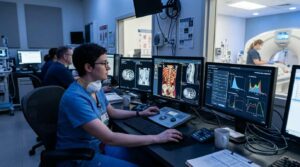
At Syracuse Biomedical Services, we understand how critical CT scanners are in daily hospital operations. Even a short downtime can delay diagnosis and affect patient care.
That is why biomedical equipment services are essential for keeping imaging systems reliable and accurate.
CT Scanner Maintenance and Optimization
Regular preventive maintenance helps:
- Improve image clarity and consistency
- Reduce unexpected equipment failures
- Extend the life of CT machines
- Ensure compliance with healthcare standards
Routine servicing also ensures that scanners continue to produce accurate diagnostic results for doctors.
Fast Repair and Technical Support
CT scanners are complex machines. When they fail, hospitals need quick response support.
Professional biomedical engineers help by:
- Diagnosing technical issues quickly
- Repairing hardware and software faults
- Restoring system performance
- Minimizing hospital downtime
Why Hospitals Trust Biomedical Service Experts
Hospitals rely on expert service providers because:
- Equipment reliability affects patient outcomes
- Downtime can delay emergency care
- Accurate imaging reduces diagnostic errors
With professional support, healthcare facilities can focus on patient care while ensuring their imaging systems remain dependable.
Conclusion: Better Imaging Means Better Patient Care
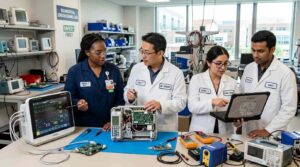
So, what can CT scans detect? They can identify a wide range of conditions—from brain injuries and cancers to internal bleeding and infections. This makes CT imaging one of the most important diagnostic tools in modern healthcare.
But accuracy depends on more than just technology. It depends on how well the equipment is maintained and supported.
That is why Syracuse Biomedical Services is committed to helping hospitals maintain high-performing CT imaging systems. Through preventive maintenance, fast repairs, and expert technical support, we help ensure that hospitals deliver accurate diagnoses when it matters most.
Call to Action
If your facility depends on CT imaging, don’t wait for equipment failure to affect patient care.
Contact Syracuse Biomedical Services today to schedule professional CT scanner maintenance or learn more about our biomedical equipment support solutions. We are here to help keep your imaging systems accurate, reliable, and always ready when your patients need them most.
Frequently Asked Questions
1. What can CT scans detect?
CT scans can detect fractures, tumors, internal bleeding, infections, blood clots, and organ abnormalities.
2. Can CT scans detect cancer?
Yes. CT scans can help identify tumors and cancers affecting areas such as the lungs, liver, and pancreas.
3. Can a CT scan detect internal bleeding?
Yes. CT imaging is commonly used to identify internal bleeding, especially after serious injuries or accidents.
4. Can CT scans detect infections?
Yes. CT scans can help identify conditions such as pneumonia, appendicitis, and internal inflammation.
5. Why is CT scanner maintenance important?
Regular maintenance helps maintain image quality, reduce equipment failures, and support accurate diagnostic results.