A hepatic artery infusion pump is a specialized medical device used to deliver chemotherapy directly to the liver through the hepatic artery. Unlike standard intravenous chemotherapy, hepatic arterial infusion (HAI) therapy delivers medication through an implanted pump and catheter system. This approach is used in specialized cancer treatment programs, particularly for certain cancers that have spread to the liver.
Because the device plays a direct role in drug delivery, reliable pump performance is important. Healthcare teams need to understand how the system works, what equipment components are involved, and why proper inspection and technical support matter.
What Is a Hepatic Artery Infusion Pump?

A hepatic artery infusion pump is an implantable infusion device designed to deliver medication into the hepatic artery. The pump is placed under the skin, usually in the abdomen, and connects to a catheter positioned in the hepatic artery.
The system typically consists of two key components: an implanted pump that stores the medication and a catheter that carries the medication from the pump into the hepatic artery. The catheter is commonly placed in the gastroduodenal artery and positioned to provide appropriate blood flow to the liver. Because liver tumors often receive much of their blood supply from the hepatic artery, this delivery method can provide a more targeted approach to liver-directed chemotherapy. (Karanicolas et al., 2020).
The device is different from the portable IV infusion pumps commonly seen in hospitals. It is implanted and designed specifically for hepatic arterial infusion therapy.
How Does a Hepatic Artery Infusion Pump Work?
The basic process involves three main components:
- Pump: Holds the medication reservoir.
- Catheter: Connects the pump to the hepatic artery.
- Hepatic artery: Carries blood directly to the liver.
After implantation, the pump can deliver medication into the hepatic artery at a controlled rate. Depending on the pump design and treatment plan, the device may need regular refilling by the clinical team. Current HAI programs may require patients to return to a treatment facility for pump refills and monitoring.
The exact treatment schedule and medication are determined by the patient’s oncology team.
What Is a Hepatic Artery Infusion Pump Used For?

HAI pumps are used as part of specialized liver-directed cancer treatment.
The National Cancer Institute describes HAI therapy as a treatment approach in which chemotherapy is delivered directly to the liver through a catheter connected to a pump. Current clinical research includes patients with colorectal cancer that has spread to the liver and selected patients with intrahepatic cholangiocarcinoma.
This does not mean that every patient with liver cancer is a candidate for HAI therapy. Treatment decisions depend on the cancer type, disease location, previous treatment, overall health, and other clinical factors.
Why Is Direct Drug Delivery Important?
The goal of hepatic arterial infusion is to deliver chemotherapy directly to the liver.
The liver receives much of its blood supply through the portal vein, but liver tumors can receive a substantial blood supply from the hepatic artery. HAI takes advantage of this vascular anatomy to deliver medication directly to the liver.
This is one reason the technology requires specialized clinical knowledge and careful coordination between surgeons, oncologists, pharmacists, nurses, and other healthcare professionals.
Why Does Hepatic Artery Infusion Pump Maintenance Matter?

An implanted HAI pump is a medical device that requires ongoing clinical management. However, maintenance should not be confused with routine servicing of a standard external infusion pump.
The clinical team responsible for the HAI program follows the device manufacturer’s instructions and established treatment protocols. Patients may require regular appointments for medication refills, monitoring, imaging, laboratory testing, and assessment of the pump and catheter system.
Research on HAI programs also highlights the need for specialized personnel, training, infrastructure, and multidisciplinary expertise to operate these programs safely and sustainably.
What Problems Can Affect an HAI Pump System?
Like other implanted medical devices, HAI systems can experience complications or device-related problems.
Reported complications can include:
- Pump malfunction
- Catheter problems
- Infection
- Catheter displacement
- Vascular complications
- Biliary complications
Published clinical literature emphasizes that pump and catheter complications require prompt clinical evaluation and appropriate management.
A patient should never attempt to diagnose or repair an implanted pump themselves. Any suspected problem should be reported to the treating healthcare team immediately.
How Do Biomedical Equipment Services Support Infusion Pump Programs?
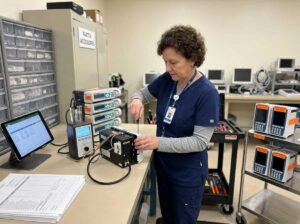
Biomedical equipment teams play an important role in maintaining the broader medical-device environment within hospitals and clinics.
While an HAI pump itself requires specialized clinical management from the treating program, biomedical equipment professionals may support other infusion devices and equipment used throughout a healthcare facility.
These services can include:
- Performance testing
- Calibration
- Safety inspections
- Troubleshooting
- Equipment repair
- Maintenance documentation
- Equipment inventory support
Syracuse Biomedical Services lists infusion pumps among the medical devices it supports and provides preventive maintenance, calibration, repair, and related biomedical equipment services.
This distinction is important: biomedical equipment service is not the same as clinical management of a patient’s implanted HAI pump. Clinical decisions and implanted-device care remain the responsibility of the appropriate medical team.
What Should Healthcare Facilities Consider When Managing Infusion Equipment?
Healthcare facilities should have a clear preventive maintenance program for equipment used in patient care.
Follow Manufacturer Requirements
Maintenance intervals and testing procedures should be based on the equipment manufacturer’s instructions, facility policies, and applicable requirements.
Technicians should use the appropriate service documentation and test equipment for the device being evaluated.
Verify Equipment Performance
Performance testing helps identify problems before equipment is returned to clinical use.
For external infusion pumps, this may include checking flow accuracy, alarms, battery condition, displays, controls, and other applicable functions.
Keep Detailed Service Records
Maintenance documentation provides a record of inspections, repairs, testing, and calibration.
Good records can help biomedical departments track equipment history, identify recurring problems, plan preventive maintenance, and prepare for inspections.
How Can Healthcare Facilities Reduce Infusion Pump Downtime?
Unexpected equipment failure can disrupt clinical workflows and create additional pressure for hospital staff.
A preventive maintenance program can help identify wear, performance issues, and other problems before they become larger failures. Syracuse Biomedical Services provides customized maintenance programs, on-site inspections, repairs, calibration, and compliance-related support for healthcare facilities in the Syracuse and Central New York area.
Facilities can also benefit from maintaining accurate equipment inventories and identifying critical devices that require faster response when a problem occurs.
How to Choose a Biomedical Equipment Service Provider
Choosing a biomedical service provider should involve more than looking at repair prices.
Healthcare organizations should consider:
| Factor | What to Ask the Provider |
| Equipment Experience | Does the provider work with the types of devices used by your facility? |
| Preventive Maintenance | Can the provider create a scheduled maintenance program? |
| Testing and Calibration | Does the service include appropriate performance and safety testing? |
| Repair Capability | Can technicians diagnose and repair equipment when problems occur? |
| Documentation | Are service activities properly recorded? |
| Response Time | Can the provider respond when equipment downtime affects operations? |
| Parts Support | Can the provider help locate appropriate parts for older equipment? |
These factors can help facilities build a more reliable equipment-management program.
Why Choose Syracuse Biomedical Services for Infusion Equipment Support?
Syracuse Biomedical Services provides biomedical equipment maintenance, repair, calibration, preventive maintenance, and equipment support for healthcare facilities. Its service offering includes infusion pumps and other clinical equipment.
The company serves Syracuse and surrounding Central New York communities, providing on-site and in-house biomedical equipment support. Its services are designed to help healthcare facilities reduce downtime, extend equipment life, and maintain reliable device performance.
For facilities managing infusion equipment, preventive maintenance can be an important part of a broader equipment-management strategy.
Keep Critical Medical Equipment Reliable
A hepatic artery infusion pump is a highly specialized device used in certain liver-directed cancer treatment programs. Its clinical use requires specialized medical expertise, appropriate infrastructure, and careful monitoring.
For healthcare facilities, reliable equipment management extends beyond a single device. Preventive maintenance, performance testing, calibration, repair, and documentation all contribute to a safer and more dependable clinical environment.
If your facility needs support for infusion pumps or other biomedical equipment in Syracuse or Central New York, Syracuse Biomedical Services can help with preventive maintenance, repair, calibration, and equipment support. Contact the team to discuss your facility’s equipment needs and develop an appropriate service plan.
Frequently Asked Questions:
1. What is a hepatic artery infusion pump?
It is an implanted device that delivers chemotherapy directly to the liver through the hepatic artery.
2. Who uses hepatic artery infusion pumps?
They are used in specialized cancer treatment programs for certain cancers affecting the liver.
3. Where can healthcare facilities get infusion pump support in Syracuse?
Syracuse Biomedical Services provides biomedical equipment support for healthcare facilities in Syracuse and Central New York.
4. Does Syracuse Biomedical Services service infusion pumps?
Yes. The company provides maintenance, calibration, repair, and equipment support for infusion pumps and other medical devices.
5. Why is infusion pump maintenance important?
Regular maintenance and performance testing can help reduce equipment failures, downtime, and safety risks.