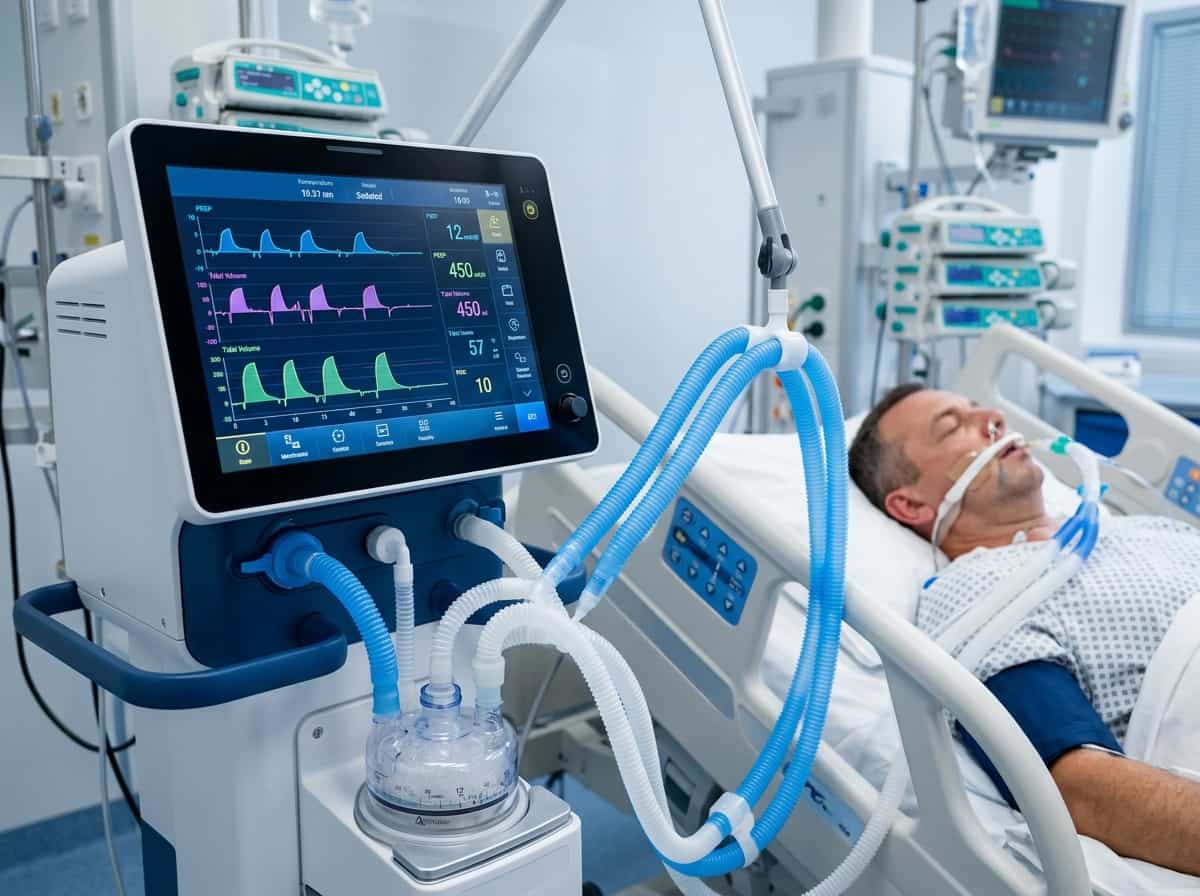
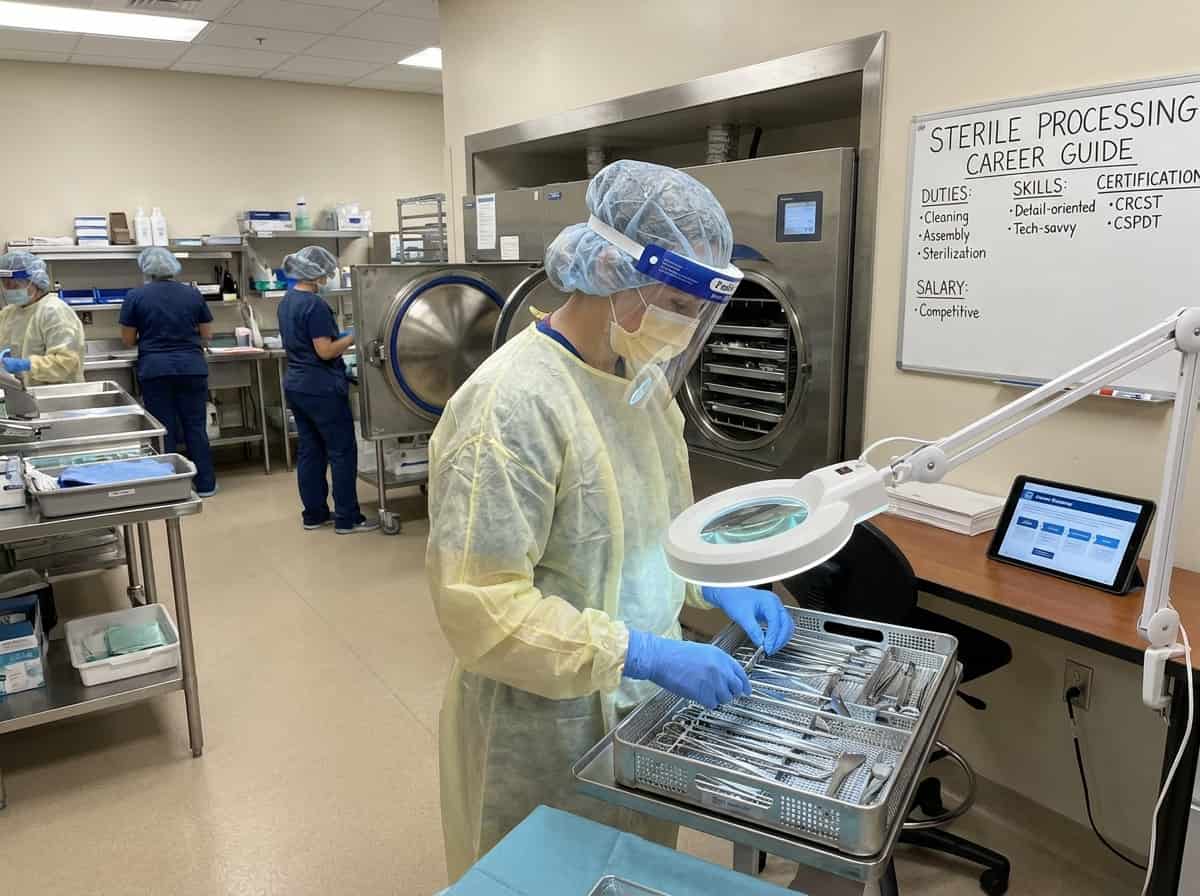
When it comes to running a healthcare facility, one of the biggest decisions you’ll face is how to spend your budget on medical equipment. You have two main choices: buy new or go for used equipment.
Each option has its pros and cons, and knowing what to look for can help you make the best decision for your patients and your wallet. Let’s dive into the world of medical equipment prices and explore what you need to know!
Factors That Shape Medical Equipment Costs
Medical equipment prices aren’t set in stone—they can vary based on several factors. Here are the key things that influence what you’ll pay:
Type of Instrument
The type of medical equipment plays a big role in pricing. High-tech instruments usually come with a higher price tag. For example:
- MRI Machines: These advanced machines can cost between ₱20 million to ₱40 million when brand new. But if you look for used ones, you might find them for about ₱10 million to ₱25 million. That’s a huge difference!
- Ultrasound Machines: New models might range from ₱500,000 to ₱3 million, but you can score a used one for ₱300,000 to ₱1.5 million.
- Blood Pressure Monitors: A new monitor can cost between ₱5,000 to ₱15,000, while used ones can be as low as ₱2,000.

- Defibrillators: New ones are typically priced between ₱50,000 to ₱150,000, but you can find used ones for ₱30,000 to ₱80,000.

Understanding these medical equipment prices can help you budget more effectively!
Brand
When you’re looking at medical equipment, the brand is very important. Well-known brands usually charge more because they have a good reputation for being reliable. For example, brands like GE Healthcare, Siemens, and Philips are trusted around the world. Hospitals often pay extra for these names because they know they can count on them to work well and last a long time.
But don’t ignore lesser-known brands! Many of these companies also make good quality equipment but at lower medical equipment prices. Brands like Mindray and Nihon Kohden offer dependable machines that can perform just as well as the bigger names, but they won’t break the bank.
To find the best brand for your needs, do some research. Look for reviews from other healthcare providers and check ratings from trusted sources. You might discover that a lesser-known brand gives you great value without losing quality, allowing you to spend your money wisely.
Technology
Technology is always changing in the medical field, and this can affect medical equipment prices. Newer models often come with advanced features that improve how they work. For example, an ultrasound machine with 3D imaging can show more detailed images than a basic 2D model. This extra detail can help doctors make better diagnoses, but it can also cost much more.
When thinking about new technology, consider how it fits your budget. Here are a few questions to ask yourself:
- How will the new technology help patients? If it can find problems earlier or more accurately, it might be worth the extra cost.
- Will it save money in the long run? A more efficient machine might need less maintenance or fewer supplies, which can help you save money over time.
- Will your staff need extra training? New technology often means your team will need to learn how to use it, which can add to the overall cost.
Also, keep an eye out for upgrades to your current equipment. Sometimes, manufacturers offer software updates or add-ons that can improve your machines without needing to buy new ones.
In short, while new technology can be very helpful, it’s important to think about its cost and benefits. By considering both brand reputation and technology, you can make smart choices that provide quality care while staying within your budget.
Pre-Owned Medical Equipment Prices
Going for used medical equipment can be a smart way to save money without sacrificing quality. Here’s a quick look at what you might expect to pay for used equipment:
- Used MRI Machines: About ₱10 million to ₱25 million
- Used Ultrasound Machines: Typically ₱300,000 to ₱1.5 million
- Used Blood Pressure Monitors: Ranging from ₱2,000 to ₱10,000
- Used Defibrillators: Priced around ₱30,000 to ₱80,000
Choosing used equipment can free up funds for other critical areas in your facility, making it a win-win for patient care.
What’s the Difference Between Pre-Owned and Refurbished Medical Equipment?
It’s essential to know the difference between used and refurbished equipment:
- Used Equipment: This equipment has been owned before but may not have been repaired or upgraded. Its condition can vary a lot, so it’s crucial to check the equipment thoroughly before buying.
- Refurbished Equipment: Refurbished items have been repaired, cleaned, and tested to meet specific standards. These devices often come with a guarantee of quality, making them a safer choice compared to just used equipment.
What to Consider When Choosing Refurbished Equipment
If you’re considering refurbished equipment, keep these tips in mind:
- Certification: Make sure the equipment has been certified by a reliable organization. Certification indicates that the device has been tested for safety and performance.
- Warranty: A warranty is a must! Look for a reasonable warranty period that covers any potential issues after your purchase.
- History: Ask about the equipment’s history, including how it was used and any repairs made. Knowing its background can give you a better idea of its reliability.
- Seller Reputation: Choose a seller with positive reviews and a good track record. A reputable seller will help you avoid potential headaches later on.
Are Medical Equipment Prices Different in Each Country?
Yes, prices can vary significantly from country to country. Factors like shipping costs, local regulations, and demand all play a role in determining prices. For example, import duties can increase the cost of equipment in certain areas. If you’re looking to purchase equipment internationally, it’s important to research local prices and regulations to avoid surprises.
Conclusion
Choosing between new and used medical equipment is a big decision that can impact both patient care and your facility’s finances. By understanding what affects medical equipment prices—like type, brand, and technology—you can make informed choices that fit your budget.
Used and refurbished options can help you save money while still delivering quality care. Just remember to check for certification, warranties, and the seller’s reputation when buying refurbished equipment. Ultimately, the right choices in medical equipment purchasing can lead to better patient outcomes and a successful healthcare operation. Happy shopping!