Why Local Durable Medical Equipment Suppliers Outperform National Chains
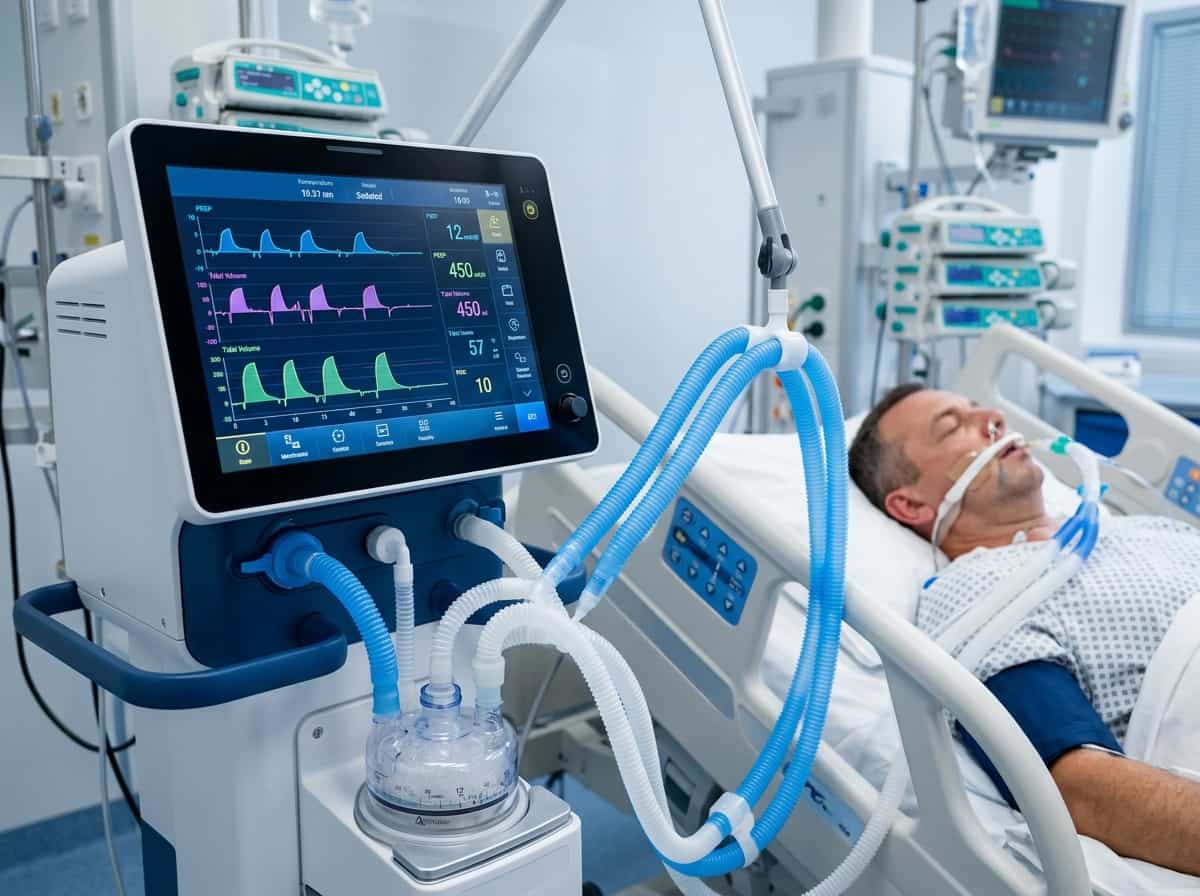
In today’s fast-paced healthcare environment, small hospitals and rural clinics can’t afford equipment downtime. Whether it’s a defibrillator, ECG, or portable imaging unit, the smooth operation of your biomedical equipment keeps patient care flowing. But when machines break down—or inspections loom—your supplier’s support can make or break your day.
That’s why choosing local durable medical equipment suppliers isn’t just about convenience. It’s about speed, trust, and compliance. In this post, we’ll explore why local service matters, how local suppliers outperform national chains, and how your Syracuse-area clinic can benefit from a more responsive, personalized partnership.
Why Local Service Matters for Biomedical Equipment Maintenance
The Cost of Downtime in Small Healthcare Settings
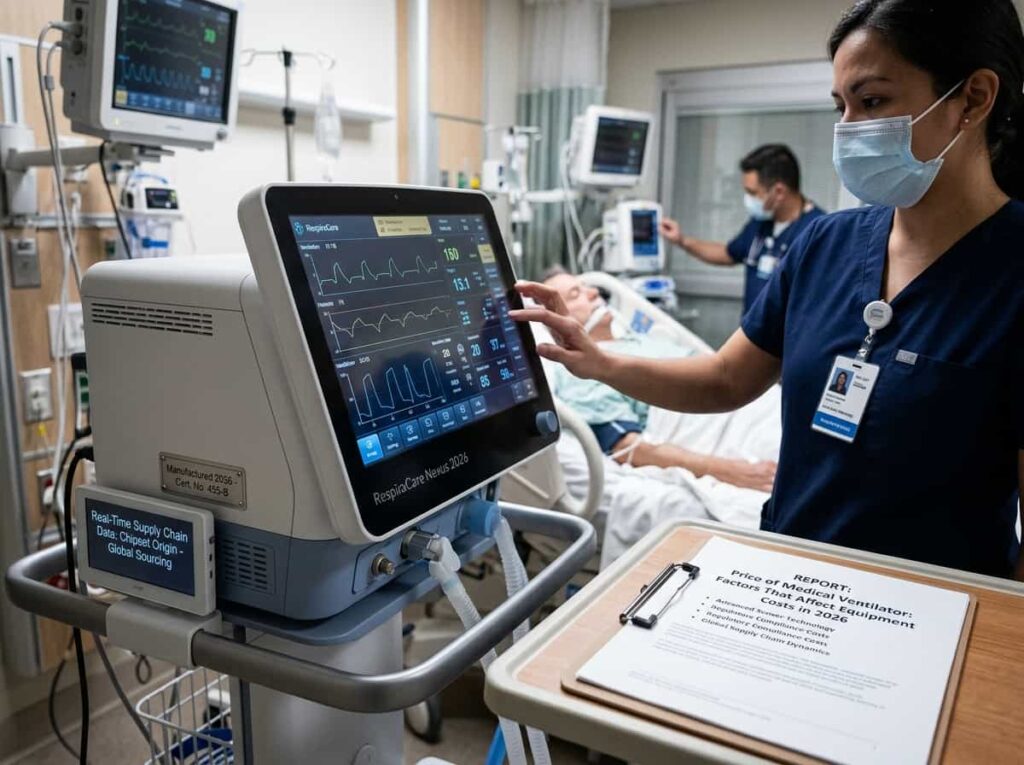
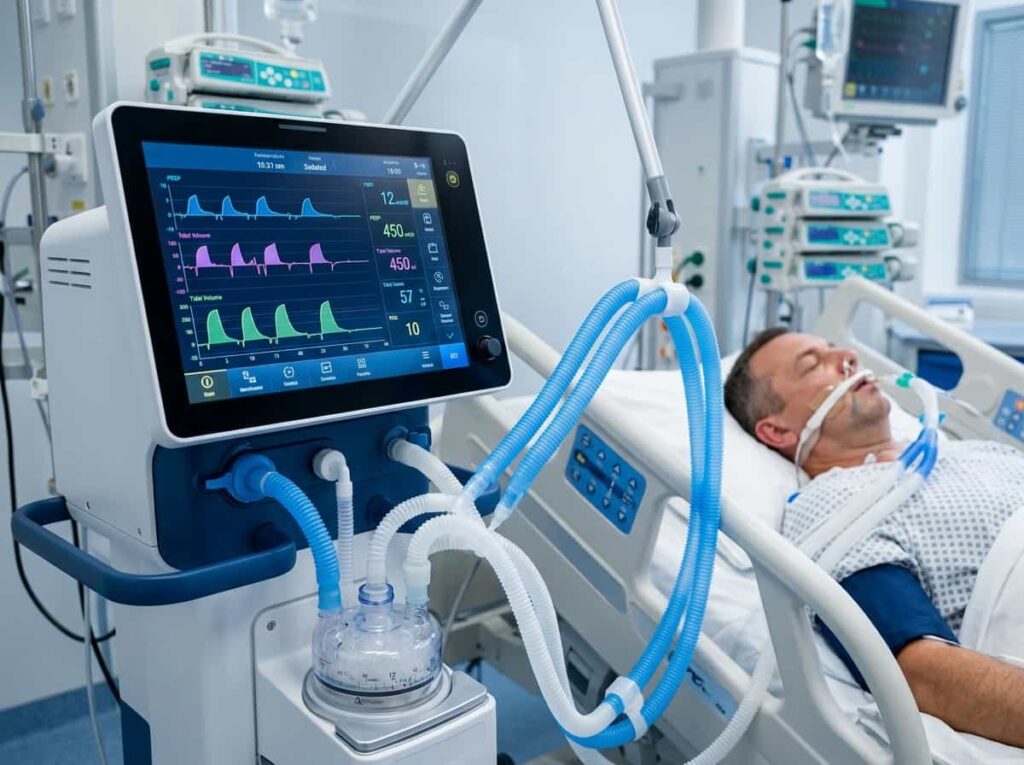
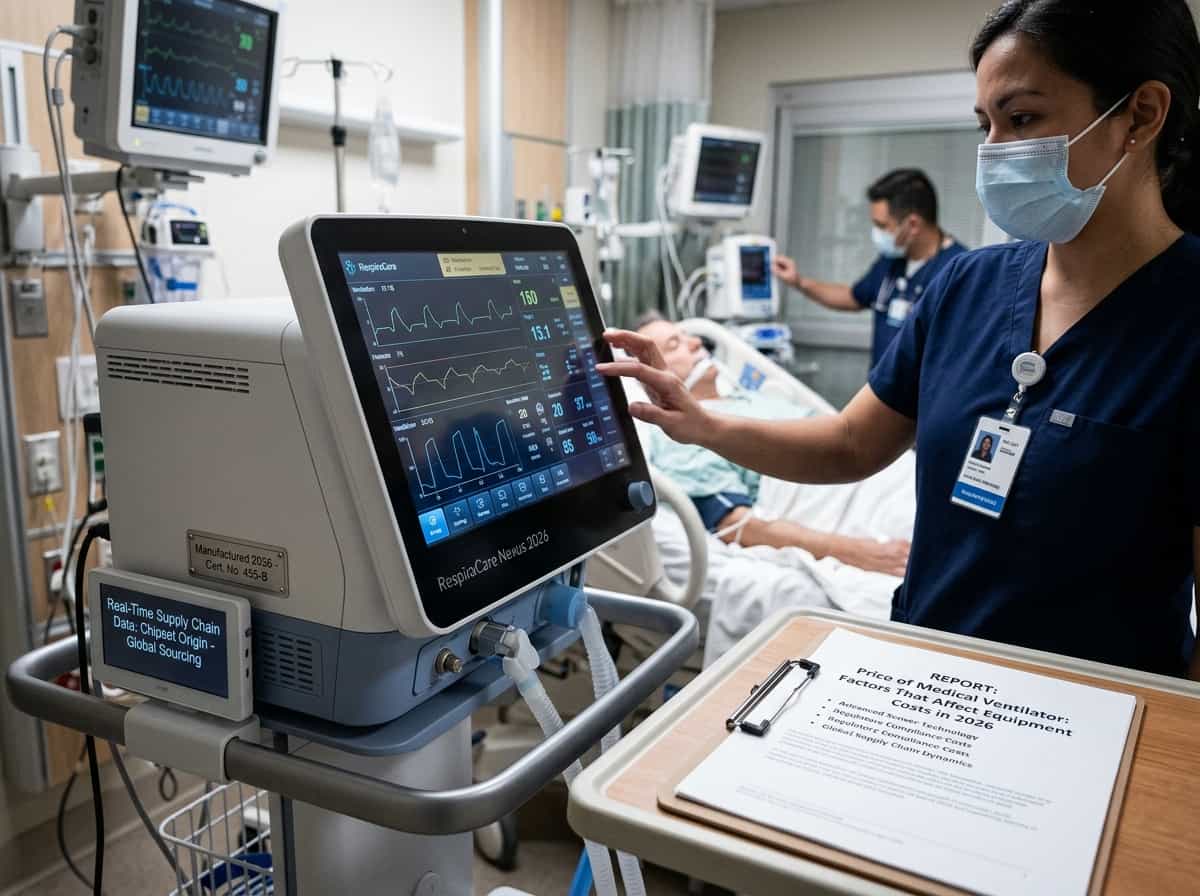
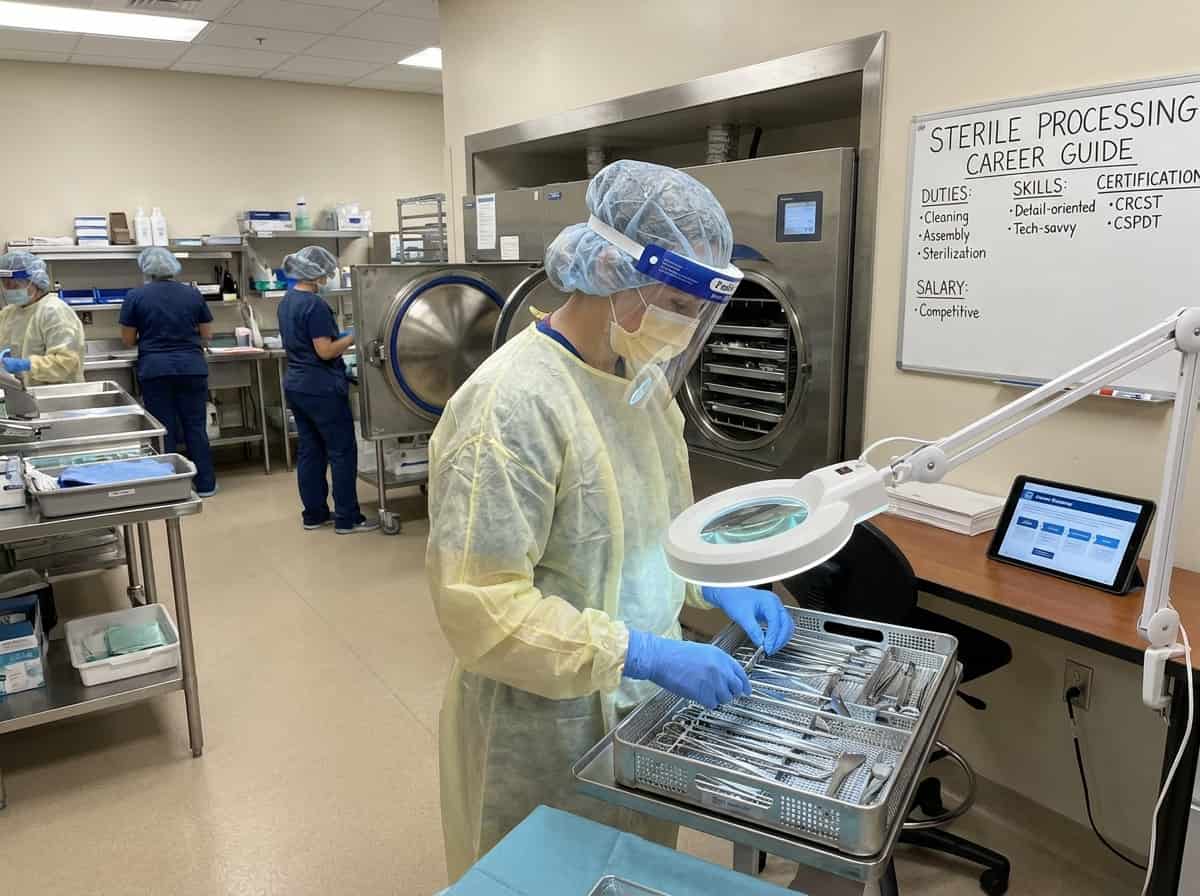
Every hour that your medical equipment is offline costs more than money—it costs trust. Smaller healthcare facilities, especially in rural areas, often rely on a limited number of machines for diagnostics, sterilization, and patient monitoring. If one fails, it can delay appointments, extend patient wait times, or even force transfers to other facilities.
While no exact percentage is confirmed, studies have shown that improved access to local diagnostic services in rural hospitals can reduce the need for patient transfers and support better continuity of care (Holmes et al., 2020).
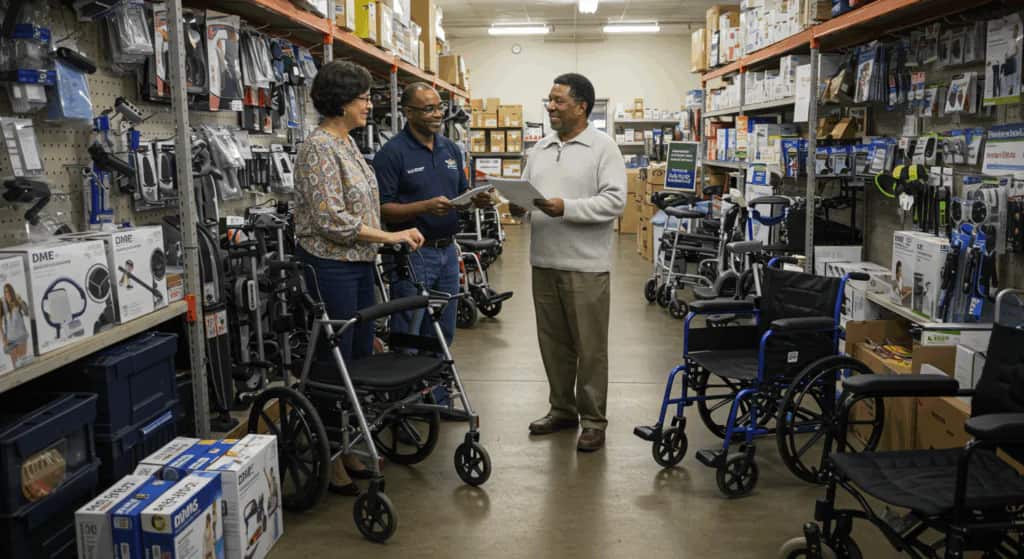
This shows just how critical it is to have equipment that works—and to partner with durable medical equipment suppliers who can respond quickly when it doesn’t. Rural and small facilities need durable medical equipment suppliers who offer not just quality products, but also fast service, reliable maintenance, and strong customer support.
Why Local Technicians Respond Faster

When you choose a national vendor, you’re often just another number in a long queue. Support calls may be routed through different states or even different time zones. And on-site service? That could take days.
Local biomedical service providers operate differently. Based right here in Syracuse, they know the roads, the healthcare landscape, and your clinic’s needs. In fact, many of our local clients report same-day or next-day repair responses, compared to 3–5 day waits from out-of-state providers.
For smaller hospitals where every hour of uptime counts, that difference is huge.
Why Local Durable Medical Equipment Suppliers Outperform National Chains
Faster Response and Repair Times
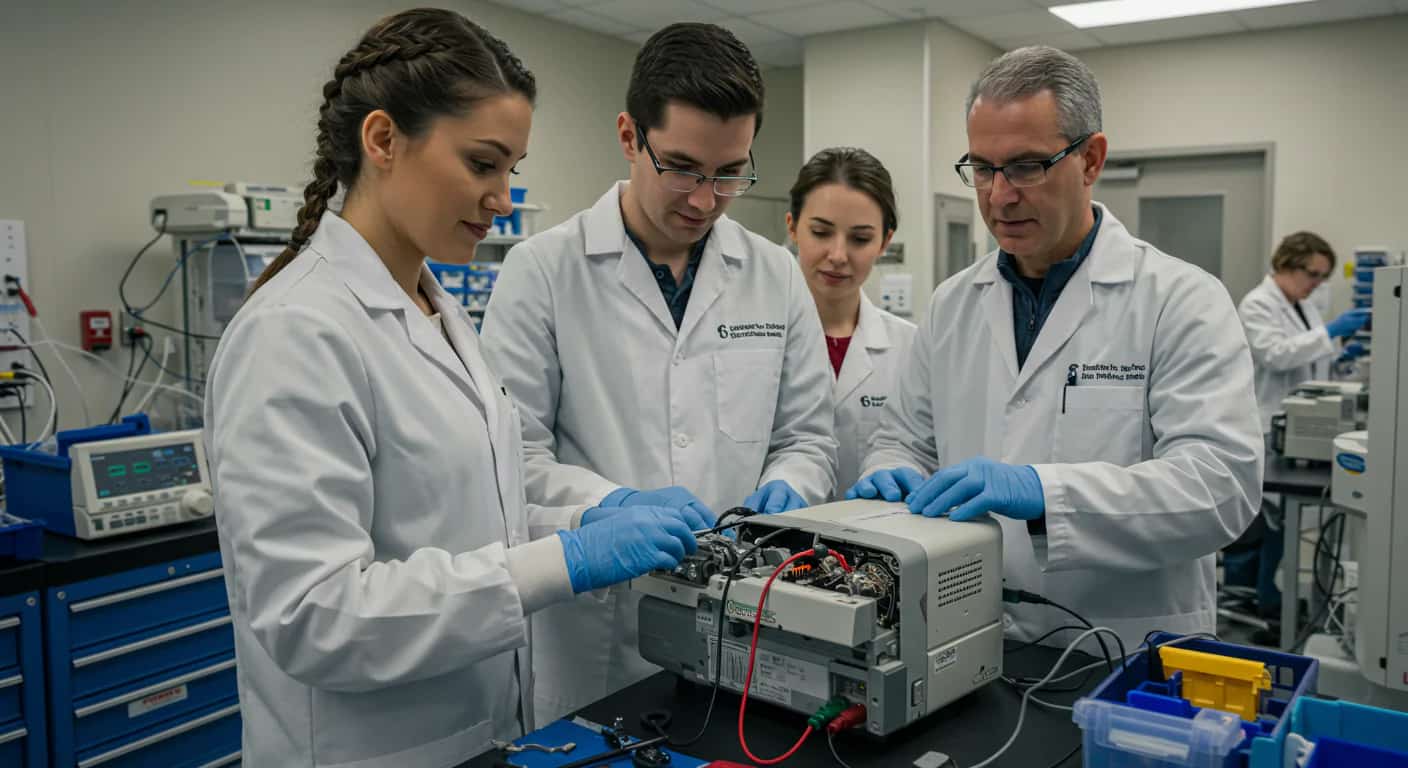
When something breaks, time is critical. National suppliers often ship parts or dispatch service from centralized hubs, causing delays. Local suppliers, on the other hand, carry common parts nearby and have trained technicians ready to visit your facility in hours—not days.
This means:
- Less downtime
- Fewer canceled procedures
- More predictable operations
The result? Happier patients and less strain on your clinical team.
Personalized Relationships & Support
Local suppliers take the time to get to know your facility. That means:
- The same technician servicing your site regularly
- Customized preventive maintenance plans
- Flexible scheduling around your busiest hours
| Category | Local Supplier (e.g., SBS) | National Chain Vendor |
| Response Time | Same-day / 24–48 hrs | 3–5 business days |
| Relationship & Service | Personal tech assigned to your site | Rotating reps; generic call centers |
| Contract Flexibility | Custom pricing and payment plans | Rigid service packages |
| Compliance Support | Knowledge of NY DOH / Joint Commission | Generic national standards |
| Equipment Documentation | On-site documentation + audits | Email-based or delayed processing |
| Emergency Repairs | Local dispatch team | Often out-of-state technicians |
This level of personalization is nearly impossible with national companies, which often rotate staff or subcontract services.
Small practices benefit most from these relationships. When a technician remembers your clinic’s layout, history, and equipment inventory, service becomes faster, safer, and more efficient.
Better Regulatory Alignment & Documentation
Local durable medical equipment suppliers understand New York State Department of Health (DOH) requirements and Joint Commission standards. They know what your facility needs to be inspection-ready:
- Calibration logs
- Labeling
- Maintenance documentation
- Compliance support
This is more than just paperwork—it’s your reputation. Failed inspections can lead to equipment shutdowns or even temporary closure. A local partner who helps you stay compliant protects both your staff and your patients.
Transparent Pricing & Flexible Contracts
National chains often offer bundled contracts that seem affordable upfront—but come with hidden fees and rigid terms. Local vendors provide custom quotes, site-specific assessments, and payment plans that fit your budget.
For small and mid-sized clinics, this flexibility can make or break an annual budget.
Many small hospitals report that working with local vendors improves billing clarity and reduces unexpected charges, though specific data on this trend remains limited in peer-reviewed sources.
Syracuse’s Trusted Local DME Supplier: Faster Service, Lower Downtime
What Sets Syracuse Biomedical Services Apart
At Syracuse Biomedical Services, we’ve spent years of serving clinics, imaging centers, and hospitals throughout Central and Upstate New York. We specialize in keeping your durable medical equipment operational, compliant, and patient-ready.
What makes us different?
- Same-day response for urgent calls
- Preventive maintenance tailored to your specific equipment
- On-site service technicians who know your facility by name
- Full documentation support for inspections and audits
- Competitive, flexible pricing for smaller facility budgets
Whether it’s an annual PM schedule, an emergency repair, or equipment consultation—we’re here to make your job easier and your facility safer.
Real-World Success: A Local Clinic’s Story
One rural outpatient clinic in Onondaga County faced frequent delays when using a national supplier. When their vital signs monitor broke down, it took four business days for a service tech to arrive.
After switching to Syracuse Biomedical Services, the same clinic received on-site service within 8 hours, and now benefits from regular preventive visits and compliance support. They passed their last Joint Commission inspection with no deficiencies—and continue to see improved uptime and efficiency.
Customer Review Spotlight
“Syracuse Biomedical has been incredibly responsive and reliable. Anytime we’ve had a service issue, their technician was onsite quickly and resolved it without disrupting our workflow. Their team is professional, thorough, and really understands the needs of smaller facilities like ours.“
— Practice Administrator, Central NY Outpatient Clinic
Ready to Make the Switch? Here’s What to Do Next
If you’re tired of long wait times, impersonal service, or equipment headaches, we’re ready to help.
Contact Syracuse Biomedical Services today for a free consultation or equipment assessment. Discover how local expertise, fast response, and personalized support can improve your facility’s care delivery—without stretching your budget.
Take the First Step Toward Reliable, Local Biomedical Support
Choosing a local durable medical equipment supplier is more than a service decision—it’s a strategic move toward better patient care, smoother inspections, and lower operational risk.
Let us show you the difference.
Explore our full range of services, or call us directly. Whether you’re managing a rural clinic or a specialty practice, we’re ready to partner with you—right here in Syracuse.
Discover everything you need to know about Biomedical Services at:
1. How Much Do X-Ray Cost and What You Need to Know
2. Everything You Need to Know About Volumetric Pumps
3. How much do X-Ray Cost Without Insurance? What to Expect in 2025
4. Biomedical Equipment Services