
Choosing the Best Hospital Bed: Top Features Explained
Support better healing outcomes with beds designed to move with your patients.
Introduction: Why the Right Hospital Bed Matters

In small hospitals and community clinics, every decision affects patient care. Whether you’re working with a limited budget, a tight floor plan, or a stretched clinical team, the right hospital bed can make a big impact on both recovery and workflow.
Patients who can move safely in bed often recover faster and face fewer risks like bedsores or falls. And for staff, features that support transfers and repositioning reduce physical strain and save time. For smaller facilities around Syracuse, mobility-focused hospital beds offer an affordable way to improve outcomes and ease the load on your team.
In this article, we’ll guide you through:
- Why mobility matters in patient care
- What hospital bed features to prioritize
- How to find the right solution for your clinic or rehab center
Let’s take a closer look.
The Role of Mobility in Patient Recovery
Why Movement Affects Healing
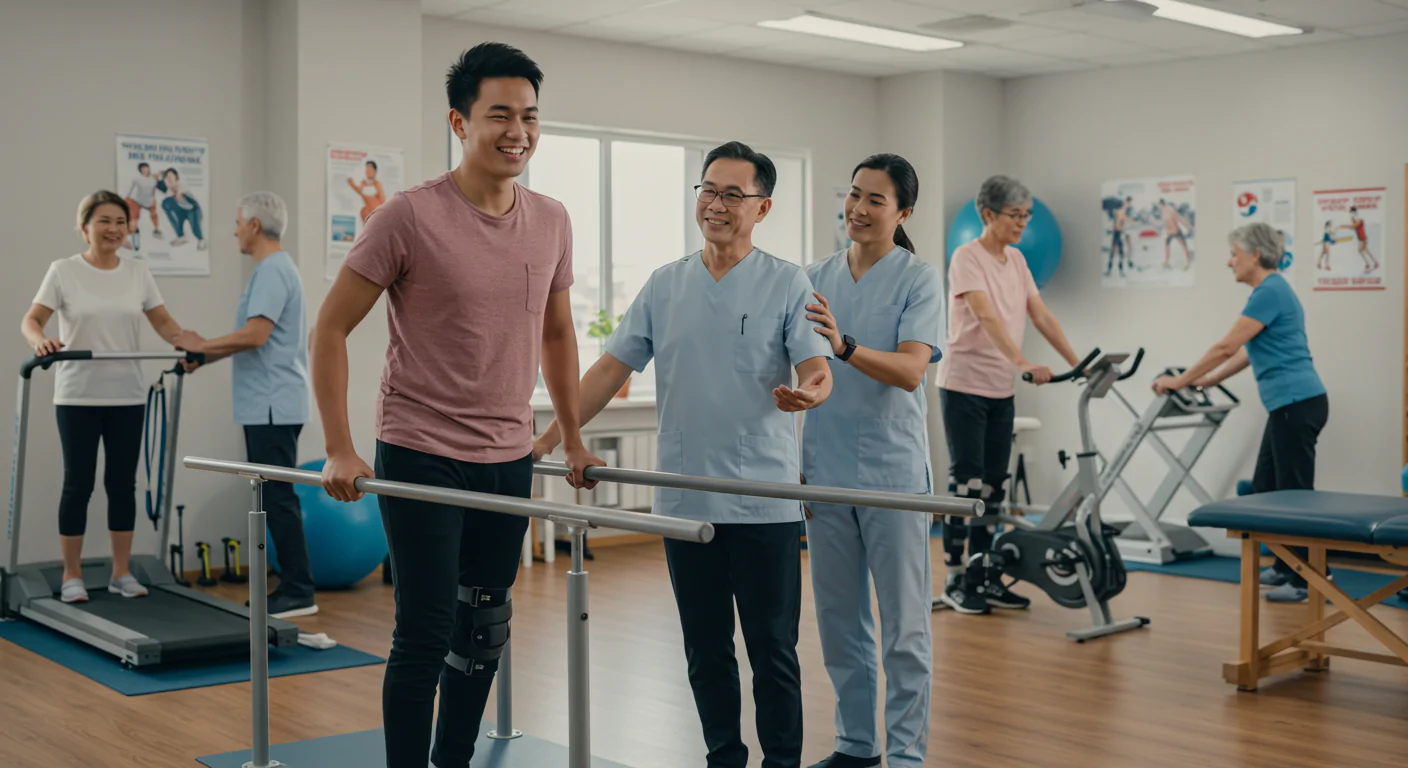
When patients stay in bed too long without moving, it can lead to a wide range of health problems—muscle loss, pressure injuries, poor circulation, and even lung infections. Encouraging small movements throughout the day helps speed up recovery and reduces these risks.
A 2025 study in BMJ Open Quality found that early mobility protocols reduced hospital stays from 15.7 to 13.1 days without increasing fall risk (Li et al., 2025). Similarly, BMC Geriatrics reports that low in-hospital mobility is linked to longer stays and functional decline in older adults (Scheerman et al., 2023; Mudge et al., 2021).
Supporting Staff in Smaller Clinics
For smaller clinics in and around Syracuse, mobility isn’t just a patient concern—it’s a staffing concern, too. With fewer team members per shift, manual lifting or bed transfers can increase injury risk for staff and reduce time for other care tasks. The right bed features allow staff to help patients move with minimal physical effort.
Modern hospital beds take the load off both patients and caregivers. Beds that adjust, tilt, and support mobility help everyone stay safer and more independent.
Best Hospital Bed Features for Patient Comfort & Mobility

Key Features That Support Patient Recovery
Choosing a hospital bed with mobility and comfort in mind starts with looking at how it helps your team provide better care. Below are the features to prioritize:
1. Height and Tilt Adjustments
Beds with electric height and tilt controls help patients sit up for meals, shift positions to relieve pressure, or get out of bed safely. These adjustments also help caregivers work at the right height, reducing injury risk.
2. Pressure-Relieving Surfaces
Mattresses with alternating pressure or memory foam help prevent bedsores, especially for patients who can’t move much on their own. This is especially important for long-stay or post-op patients.
3. Supportive Side Rails
Adjustable or swing-away rails offer both protection and independence. Patients can use them for leverage to turn or sit up, and they reduce fall risk during the night.
4. Remote-Controlled Positions
User-friendly hand controls let patients adjust their beds without calling for help. This builds confidence and reduces stress, especially for patients who feel more comfortable managing their space.
5. Compact Frames and Locking Wheels
For clinics with smaller rooms, beds with slim frames and sturdy wheels are a smart choice. They’re easier to move and fit better into tight spaces without sacrificing stability.
| Feature | Benefit for Patients | Benefit for Staff |
| Adjustable Height | Easier entry and exit | Reduces back strain during care |
| Tilt Function (Trendelenburg) | Supports circulation and breathing | Aids in post-op recovery positioning |
| Pressure-Relieving Surface | Reduces risk of bedsores | Less need for manual repositioning |
| Removable/Swing Side Rails | Added safety and support | Easier transfers to wheelchairs |
| Remote Control Operation | Gives patients independence | Reduces non-clinical call responses |
| Compact, Lockable Frame | Fits in small rooms | Safer navigation and cleaning |
Designed for the Real-World Needs of Small Clinics
Unlike large hospitals, smaller facilities often don’t have wide hallways or dedicated transport teams. Beds that fit through narrow doorways and offer quick repositioning features help maintain flexibility. Smart design choices make it easier to move patients between exam rooms, recovery areas, and discharge stations.
These beds also support short-term rehab clinics and outpatient centers that need to adapt rooms for multiple uses during the day.
See Our Hospital Bed Demo in Action (Book Now)
See the Benefits Firsthand
Before you make a decision, it helps to see a bed in action. That’s why Syracuse Biomedical Services offers in-person hospital bed demos—so you and your staff can experience how the bed works in your actual space.
We’ll walk you through:
- How mobility features work in real scenarios
- Which models fit best in your clinic layout
- How staff can safely use each function during shifts
You’ll get to test controls, try different positions, and see how quickly and smoothly the beds adjust. We tailor each demo to the types of patients you serve—whether that’s post-surgical, rehab, or long-term care.
What Clients Are Saying
“Reliable and professional service from Syracuse Biomedical Services, with fast response times and expert support.”
— Chamber of Commerce review, Syracuse Biomedical Services (4.0 rating)
Why Work With a Local Biomedical Partner?
We’ve been serving hospitals and clinics across the Syracuse region for years. Our team understands the real-world needs of smaller care facilities—and we don’t just drop off equipment. We stay involved.
We offer:
- White-glove delivery and setup
- Training for your staff
- Scheduled preventive maintenance
- Responsive local repair services
You can trust us to help you select the right hospital bed and keep it working at its best for years to come.
Book a Free Demo with Syracuse Biomedical Today
Choosing the right hospital bed means more than just comfort—it means better outcomes, safer care, and smoother operations. At Syracuse Biomedical Services, we help smaller hospitals and clinics find mobility solutions that match their space, staffing, and patient needs.
Ready to try it out? Book your free on-site demo today. We’ll bring the expertise and let you see how our beds move with your patients—and your workflow.
Learn more about Biomedical Services here:
1. How Much Do X-Ray Cost and What You Need to Know
2. Everything You Need to Know About Volumetric Pumps
3. How much do X-Ray Cost Without Insurance? What to Expect in 2025
4. Biomedical Equipment Services


