An incubator machine is one of the most important pieces of equipment in healthcare and laboratory environments. It creates a controlled setting where temperature, humidity, and, in some models, carbon dioxide (CO₂) levels remain stable. These conditions help protect sensitive samples, support accurate testing, and improve patient care.
From hospital laboratories and fertility clinics to research facilities and pharmaceutical companies, incubator machines play a critical role in daily operations. However, choosing the right equipment is only part of the process. Regular inspection, calibration, and preventive maintenance are essential for keeping incubators reliable and compliant with industry standards.
Where Are Laboratory and Medical Incubators Used?
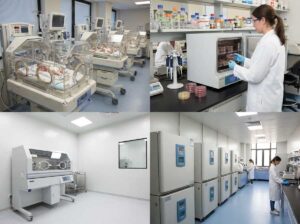
Laboratory and medical incubators are designed to maintain stable environmental conditions for biological materials, medical applications, and scientific research. Different industries rely on these machines for different reasons, but the goal is always the same: consistent performance and dependable results.
Why Are Incubator Machines Essential in Modern Healthcare?
An incubator machine provides a controlled environment that supports the growth, storage, or protection of sensitive biological materials. By maintaining accurate temperature and environmental conditions, incubators help healthcare professionals perform reliable testing and deliver quality patient care.
Without proper environmental control, biological samples may become contaminated, research results can become unreliable, and laboratory processes may need to be repeated. Even small temperature changes can affect sensitive procedures such as cell culture and microbiological testing.
Because incubator machines are used in critical healthcare settings, proper cleaning, inspection, and maintenance are essential. The Centers for Disease Control and Prevention (CDC) identifies effective cleaning, disinfection, and sterilization of patient-care equipment as key components of infection prevention (Centers for Disease Control and Prevention [CDC], 2024).
How Do Hospitals Use Incubator Machines?
Hospitals depend on incubator machines in many departments where precision and consistency are essential.
Common applications include:
| Hospital Department | How Incubator Machines Are Used |
| Clinical Laboratories | Support diagnostic testing by maintaining controlled conditions for biological samples. |
| Microbiology Laboratories | Incubate bacterial and fungal cultures for identifying microorganisms and diagnosing infections. |
| Blood Banks | Help maintain controlled environments for specific blood-related testing and laboratory procedures. |
| Pathology Departments | Support tissue and specimen analysis that requires stable incubation conditions. |
| Hospital Pharmacies | Assist in pharmaceutical research, quality control, and certain sterile compounding applications where appropriate. |
| Infection Control Testing | Incubate cultures used to monitor and evaluate infection prevention and control practices. |
For example, microbiology laboratories use incubators to grow bacterial cultures under carefully controlled temperatures. These cultures help physicians identify infections and determine appropriate treatment options.
If an incubator cannot maintain a consistent temperature, test results may become inaccurate, causing delays in diagnosis and patient care.
Why Do IVF Clinics Depend on Specialized Incubator Machines?
In vitro fertilization (IVF) clinics use specialized CO₂ incubators to support embryo development.
These incubators maintain:
- Stable temperature
- Controlled carbon dioxide levels
- Proper humidity
- Low contamination risk
Embryos are extremely sensitive to environmental changes. Even small fluctuations can affect their development. Modern IVF incubators are designed to provide highly stable conditions that help fertility specialists protect embryos throughout the culture process.
Routine calibration and performance verification are especially important because precise environmental control directly supports laboratory quality and patient care.
What Role Do Incubator Machines Play in Research Laboratories?
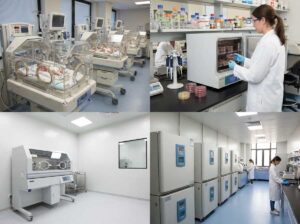
Research laboratories rely on incubator machines every day to support scientific discovery.
Common applications include:
- Cell culture
- Tissue engineering
- Biotechnology research
- Vaccine development
- Pharmaceutical research
- University laboratory studies
Researchers depend on consistent environmental conditions to produce repeatable and reliable results. If an incubator experiences temperature drift or uneven heating, experiments may need to be repeated, increasing both costs and project timelines.
Reliable equipment maintenance helps research facilities reduce unexpected interruptions and protect valuable samples.
How Are Incubator Machines Used in Microbiology Laboratories?
Microbiology laboratories use incubators to grow microorganisms under carefully controlled conditions.
Typical applications include:
- Clinical diagnostics
- Food safety testing
- Water quality analysis
- Pharmaceutical quality control
- Environmental monitoring
Many bacteria require specific temperatures to grow properly. A properly functioning laboratory incubator allows technicians to observe bacterial growth accurately and identify microorganisms that may affect human health.
Regular preventive maintenance also helps reduce contamination risks and supports dependable laboratory operations.
Which Industries Outside Healthcare Use Laboratory Incubators?
Although hospitals and healthcare facilities are major users, many other industries depend on laboratory incubators.
These include:
- Pharmaceutical manufacturers
- Biotechnology companies
- Universities
- Environmental testing laboratories
- Veterinary diagnostic laboratories
- Food and beverage testing facilities
Across these industries, incubators help maintain product quality, support research, and ensure testing accuracy. Reliable equipment performance is essential regardless of the application.
What Types of Incubator Machines Are Used for Different Applications?

Not all incubator machines are built for the same purpose. Selecting the right model depends on the specific application.
Some common types include:
- CO₂ incubators for cell culture and IVF laboratories
- Microbiology incubators for bacterial and fungal growth
- Refrigerated incubators for temperature-sensitive research
- Shaking incubators for biological culture mixing
- Neonatal incubators designed for premature infant care
Choosing the correct equipment helps improve efficiency while meeting laboratory and clinical requirements.
Why Does Preventive Maintenance Matter?
Preventive maintenance is one of the most effective ways to keep an incubator machine operating safely and accurately.
Over time, equipment components naturally wear down. Temperature sensors can drift, door seals may deteriorate, and airflow systems can become less effective. These issues often develop gradually before becoming noticeable.
Routine preventive maintenance may include:
- Temperature calibration
- CO₂ verification
- Alarm testing
- Sensor inspection
- Fan performance checks
- Electrical safety testing
- Door gasket inspection
- General equipment cleaning recommendations
Following the manufacturer’s instructions and a structured maintenance program helps improve equipment reliability. AAMI emphasizes comprehensive equipment management and documented maintenance strategies to support the safety and performance of medical equipment (Association for the Advancement of Medical Instrumentation [AAMI], 2024).
Need Reliable Incubator Machine Support? Schedule Preventive Maintenance Today
An incubator machine is a valuable investment, but even high-quality equipment requires ongoing service to maintain peak performance.
Waiting until equipment fails can lead to:
- Unexpected downtime
- Delayed laboratory testing
- Increased repair costs
- Lost research samples
- Compliance concerns
- Reduced equipment lifespan
Preventive maintenance helps identify small issues before they become expensive problems.
For hospitals, diagnostic laboratories, research facilities, and healthcare organizations throughout the regions served by Syracuse Biomedical Services, partnering with an experienced biomedical equipment service provider helps keep critical equipment operating safely and efficiently.
Professional biomedical services may include:
- Preventive maintenance
- Equipment inspections
- Calibration support
- Troubleshooting
- Performance verification
- Repair services
- Maintenance documentation
These services help healthcare facilities improve equipment reliability while supporting regulatory readiness and reducing operational interruptions.
Conclusion
Incubator machines are essential across hospitals, IVF clinics, laboratories, research centers, and many other scientific environments. They provide the stable conditions needed for accurate testing, successful research, and quality patient care.
However, reliable performance depends on more than simply purchasing the right equipment. Regular preventive maintenance, calibration, and professional inspections help extend equipment life, improve accuracy, and reduce costly downtime.
If your facility depends on incubator machines for daily operations, working with an experienced biomedical equipment service provider can help ensure your equipment continues to perform when it matters most.
Contact Syracuse Biomedical Services to learn more about preventive maintenance, calibration, inspection, and repair services for incubator machines and other biomedical equipment. A proactive maintenance program can help protect your investment while supporting safe, reliable, and efficient healthcare operations.
Frequently Asked Questions
1. What is an incubator machine?
An incubator machine provides controlled conditions such as temperature and humidity for biological samples and research.
2. Where are incubator machines used?
They are commonly used in hospitals, IVF clinics, laboratories, research centers, and pharmaceutical facilities.
3. What are the different types of incubators?
Common types include CO₂, microbiology, refrigerated, shaking, and neonatal incubators.
4. Why is incubator maintenance important?
Regular maintenance helps maintain accurate conditions, reduce downtime, and protect sensitive samples.
5. How often should an incubator be calibrated?
Calibration should follow the manufacturer’s recommendations and the facility’s maintenance schedule.