Every successful surgery depends on more than experienced surgeons and advanced medical technology. Behind every operating room is a team working quietly to ensure every instrument is clean, sterile, and ready for safe patient care. At the center of this process is the sterile processing technician.
These professionals help prevent infections, support efficient surgical procedures, and protect patients by following strict sterilization protocols. Their work also depends on reliable sterilization equipment that performs accurately every day. Even the most skilled technician cannot achieve consistent results if an autoclave, washer disinfector, or ultrasonic cleaner is not operating correctly.
What Does a Sterile Processing Technician Do?
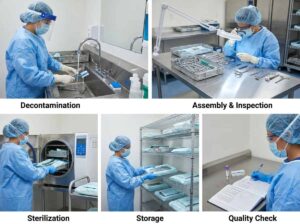
A sterile processing technician is responsible for cleaning, inspecting, assembling, packaging, sterilizing, storing, and distributing reusable surgical instruments and medical devices. Every item used during a procedure must go through a carefully controlled process before it can be safely reused.
Typical responsibilities include:
- Collecting contaminated surgical instruments
- Cleaning and disinfecting reusable devices
- Inspecting instruments for damage or wear
- Assembling surgical instrument trays
- Operating sterilizers and washer disinfectors
- Maintaining sterilization records
- Preparing instruments for storage and distribution
Although patients rarely see these professionals, their work directly supports surgeons, nurses, and every healthcare provider involved in patient care.
Why Is a Sterile Processing Technician Essential to Patient Safety?
Every reusable surgical instrument must be processed correctly before it reaches the operating room. If even one step is missed, harmful microorganisms can remain on the instrument, increasing the risk of healthcare-associated infections (HAIs).
A sterile processing technician helps reduce these risks by following standardized procedures for cleaning, sterilization, inspection, and documentation.
Can a Hospital Operate Without Sterile Processing?
No. Hospitals rely on sterile processing departments to prepare reusable medical instruments safely. Without properly sterilized equipment, surgeries and many medical procedures cannot proceed safely.
How Does Sterile Processing Reduce Healthcare-Associated Infections?
Proper cleaning removes blood, tissue, and other debris from instruments, while sterilization destroys bacteria, viruses, fungi, and other microorganisms. Together, these processes help reduce the risk of infection and improve patient outcomes.
Why Is Sterilization More Than Simply Cleaning Instruments?
Cleaning removes visible contamination, but sterilization eliminates microorganisms that cannot be seen. Both steps are essential for safe patient care and must be completed according to established industry guidelines.
Where Does a Sterile Processing Technician Work?
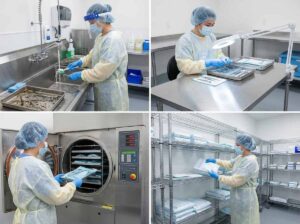
Sterile processing technicians work in a variety of healthcare environments, including:
- Hospitals
- Outpatient surgery centers
- Dental practices
- Specialty clinics
- Ambulatory surgical centers
- Medical laboratories
Each facility uses specialized sterilization equipment to process medical devices. Depending on the setting, technicians may work with:
- Steam sterilizers (autoclaves)
- Washer disinfectors
- Ultrasonic cleaners
- Heat sealers
- Drying cabinets
- Low-temperature sterilization systems
Reliable equipment is essential because even minor performance issues can affect sterilization quality, workflow efficiency, and regulatory compliance.
Sterile Processing Technician Career Guide: Duties, Skills, Certifications & Salary
What Are the Daily Duties of a Sterile Processing Technician?
A typical day begins with receiving contaminated instruments from operating rooms and procedure areas. Each item must then move through a carefully controlled workflow.
Daily responsibilities often include:
- Receiving contaminated instruments
- Cleaning and decontaminating equipment
- Inspecting for damage or missing components
- Assembling surgical trays
- Packaging instruments for sterilization
- Operating sterilizers
- Verifying sterilization cycles
- Storing sterile instruments
- Maintaining detailed documentation
Attention to detail is essential because every step contributes to patient safety.
What Equipment Does a Sterile Processing Technician Use Every Day?
Most technicians regularly operate:
- Steam sterilizers
- Washer disinfectors
- Ultrasonic cleaners
- Instrument tracking systems
- Biological and chemical indicators
- Heat sealers
These systems require regular inspection and maintenance to ensure consistent performance.
What Skills Does a Sterile Processing Technician Need?
Successful sterile processing technicians combine technical knowledge with strong organizational skills.
Important skills include:
- Attention to detail
- Time management
- Critical thinking
- Infection prevention knowledge
- Medical terminology
- Equipment operation
- Communication
- Teamwork
- Documentation accuracy
Because technology continues to evolve, technicians also benefit from ongoing education and training.
Which Certifications Should a Sterile Processing Technician Earn?
While certification requirements vary by employer and state, many healthcare organizations prefer certified professionals.
Common certifications include:
- Certified Registered Central Service Technician (CRCST)
- Certification Board for Sterile Processing and Distribution (CBSPD)
Certification demonstrates knowledge of sterilization procedures, infection prevention practices, and industry standards. Continuing education also helps technicians stay current with changing healthcare regulations and emerging technologies.
How Much Does a Sterile Processing Technician Make?
Salary varies depending on several factors, including:
- Geographic location
- Years of experience
- Certification
- Healthcare facility size
- Shift differentials
- Specialty expertise
As demand for surgical services continues to grow, experienced sterile processing technicians remain valuable members of the healthcare workforce.
Professional Biomedical Equipment Support for Sterile Processing Departments
Why Does Biomedical Equipment Maintenance Matter?
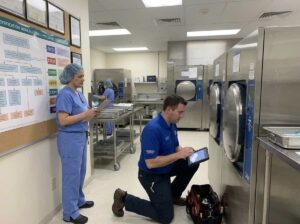
Sterile processing departments rely on complex equipment that must perform consistently every day. Preventive maintenance helps ensure sterilizers, washer disinfectors, ultrasonic cleaners, and related systems continue operating within manufacturer specifications.
Routine biomedical maintenance provides several important benefits:
- Reduced equipment downtime
- Improved sterilization consistency
- Extended equipment lifespan
- Better regulatory compliance
- Lower long-term repair costs
- Increased operational efficiency
Regular inspections also help identify potential issues before they become costly equipment failures.
What Problems Can Poorly Maintained Sterilization Equipment Cause?
When sterilization equipment is not properly maintained, healthcare facilities may experience:
- Failed sterilization cycles
- Surgical delays
- Instrument damage
- Compliance deficiencies
- Increased repair expenses
- Reduced patient safety
Preventive maintenance minimizes these risks while helping facilities maintain dependable daily operations.
The Association for the Advancement of Medical Instrumentation (AAMI) recommends that healthcare facilities follow equipment manufacturers’ instructions for use (IFU) and establish preventive maintenance programs performed by qualified personnel to help ensure safe and effective steam sterilization. Regular maintenance and accurate service records are also important components of a comprehensive sterilization quality program (AAMI, 2022).
The Centers for Disease Control and Prevention (CDC) states that proper cleaning, disinfection, and sterilization of reusable medical devices are essential components of infection prevention and are critical for reducing the risk of healthcare-associated infections. The CDC also emphasizes that thorough cleaning should always precede disinfection or sterilization (Centers for Disease Control and Prevention, 2008/2024).
How Can Syracuse Biomedical Services Support Sterile Processing Departments?
Healthcare facilities throughout Central New York depend on reliable equipment to keep surgical schedules running safely and efficiently. Syracuse Biomedical Services provides professional biomedical equipment services designed to support sterile processing departments with dependable maintenance and repair solutions.
Services include:
- Preventive maintenance
- Equipment inspections
- Calibration and performance verification
- Sterilization equipment repairs
- Troubleshooting and technical service
By helping healthcare organizations maintain critical sterilization equipment, Syracuse Biomedical Services supports safer patient care, reduces unexpected downtime, and extends the life of valuable medical equipment.
Whether your facility operates a hospital, ambulatory surgery center, or specialty clinic, partnering with an experienced biomedical service provider can help improve equipment reliability and support day-to-day operations.
Frequently Asked Questions
Is sterile processing a good career?
Yes. Sterile processing offers meaningful work in healthcare, strong job stability, and opportunities for career advancement through certification and continuing education.
Do sterile processing technicians need certification?
Many employers prefer or require certification, although requirements vary by location and healthcare organization.
How often should hospital sterilizers be serviced?
Service frequency depends on manufacturer recommendations, equipment usage, and facility maintenance programs. Preventive maintenance should always follow manufacturer guidelines and applicable industry standards.
Why is preventive maintenance important?
Preventive maintenance helps reduce equipment failures, improve sterilization performance, support regulatory compliance, and protect patient safety.
Keep Your Sterile Processing Department Operating at Its Best
Sterile processing technicians play a vital role in modern healthcare, but their success depends on more than training and experience. Reliable sterilization equipment is equally important for maintaining safe workflows, supporting regulatory compliance, and protecting patients.
If your healthcare facility is looking to improve equipment reliability, reduce unexpected downtime, or strengthen its preventive maintenance program, Syracuse Biomedical Services is ready to help. Our experienced biomedical equipment professionals provide trusted maintenance, repair, and support services that help keep your sterile processing department operating efficiently and confidently.
Contact Syracuse Biomedical Services today to learn how proactive biomedical equipment maintenance can help your organization deliver safer, more reliable patient care.