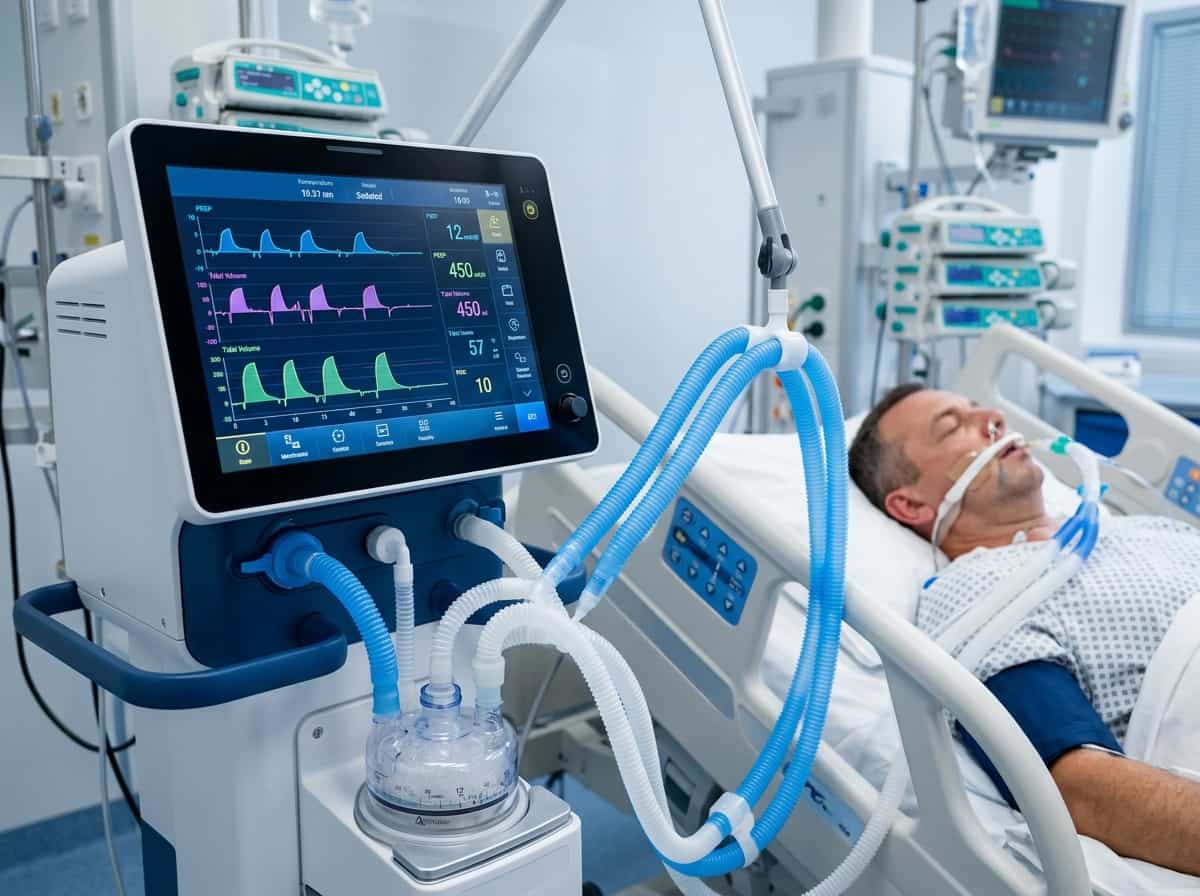
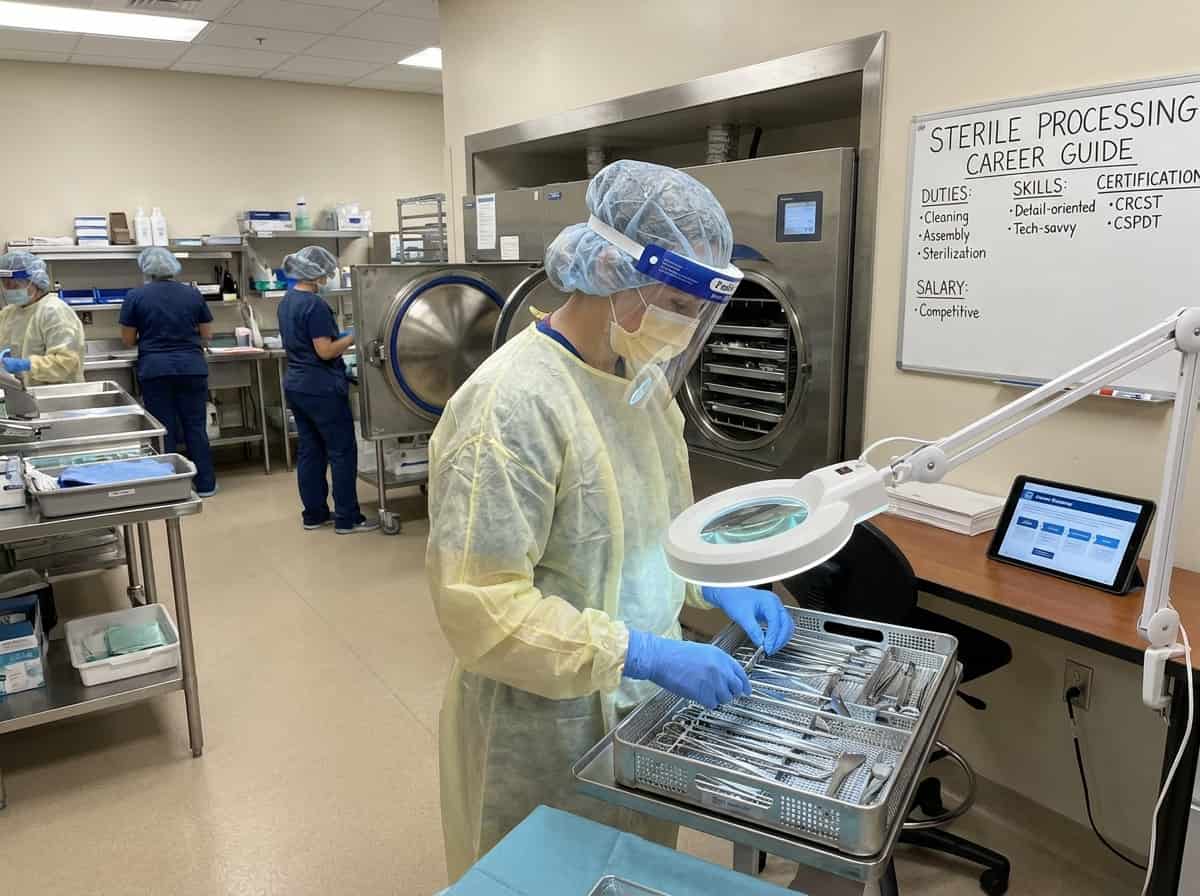
Why Medical Equipment Sourcing Matters More Than Ever
Hospitals today face a serious challenge—how to provide safe, reliable care while controlling rising costs. One of the biggest expenses in healthcare is medical equipment procurement, especially for imaging systems, patient monitors, and diagnostic devices. As a result, many healthcare facilities are turning to used medical equipment as a cost-effective solution to maintain quality standards while optimizing budgets.
Because of this, many healthcare facilities are now exploring smarter ways to source equipment, including used medical equipment that has been properly tested and certified.
But here is the real concern: not all equipment is safe to reuse. Hospitals must balance cost savings with patient safety, compliance rules, and long-term reliability.
Understanding How Hospitals Balance Cost, Quality, and Safety in Medical Equipment Procurement
Why Medical Equipment Costs Keep Rising
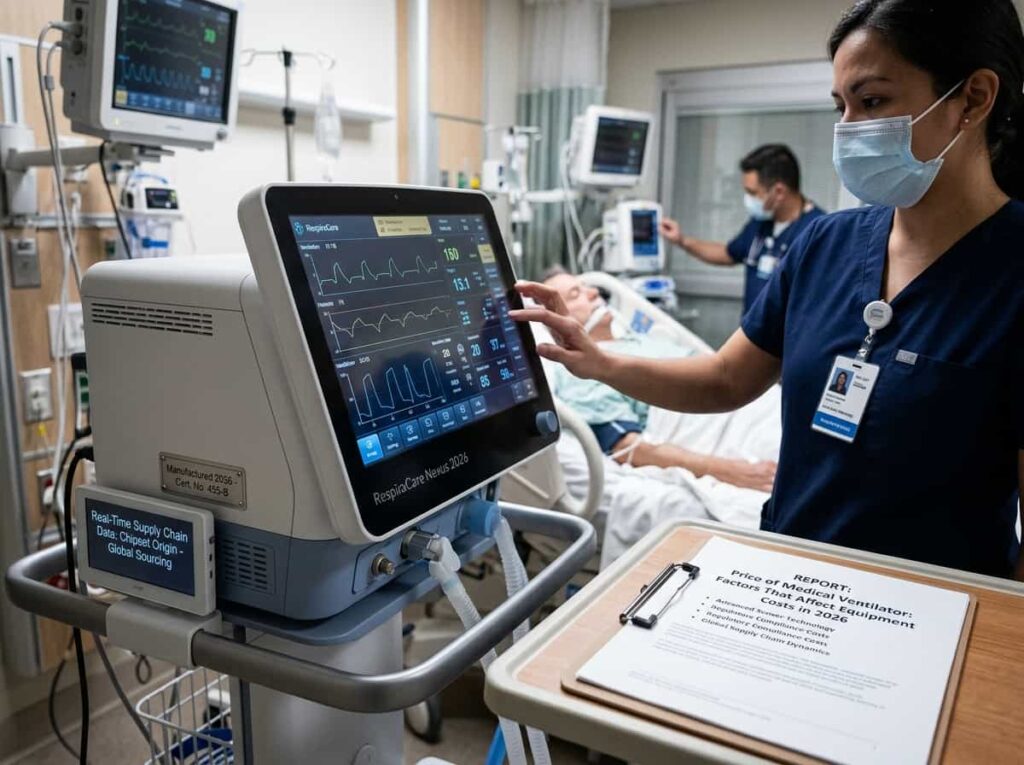
Medical equipment prices continue to increase due to advanced technology, global supply issues, and stricter healthcare regulations. Devices today often require:
- Complex digital systems
- Frequent calibration
- Specialized maintenance
- Compliance documentation
Hospitals must also consider the total cost of ownership (TCO)—not just the purchase price, but long-term maintenance and repair costs.
The World Health Organization reports that access to medical devices varies widely across countries, with significant gaps in availability, affordability, and procurement capacity, particularly in low- and middle-income regions where health system resources are more limited (World Health Organization, 2022).
This is why healthcare administrators are looking for smarter procurement strategies.
Traditional Ways Hospitals Source Equipment
Hospitals typically rely on three main methods:
- Buying new equipment from manufacturers
- Leasing devices for short-term use
- Purchasing through third-party vendors, including sourcing used medical equipment
While these methods are common, they often come with challenges like:
- Long delivery times
- High upfront costs
- Limited flexibility during emergencies
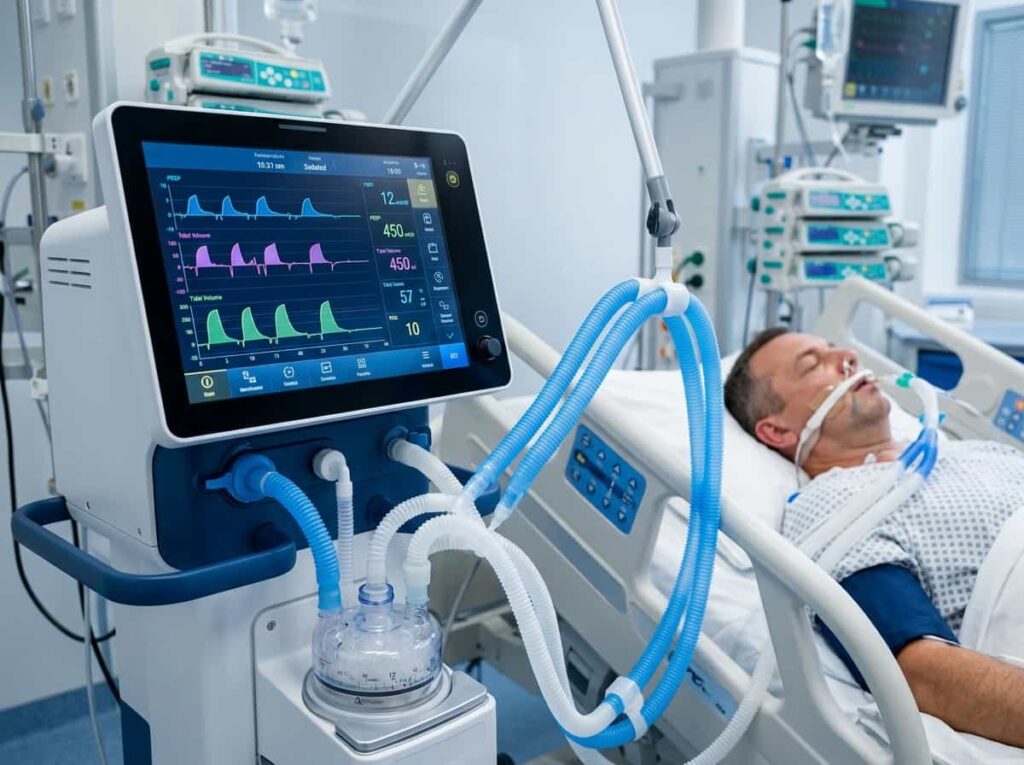
Biomedical technicians often evaluate equipment not just for price, but for safety performance, calibration accuracy, and service history.
The Shift Toward Smarter Procurement
Today, many healthcare facilities are shifting toward value-based purchasing. This means decisions are based on:
- Equipment lifespan
- Reliability in real clinical use
- Maintenance history
- Certification and compliance readiness
This shift has increased demand for refurbished and professionally inspected equipment, especially for small and mid-sized hospitals that need cost control without compromising safety.
Where Hospitals Are Finding Affordable Yet Reliable Equipment Solutions
Where to Find Trusted Used Medical Equipment for Healthcare Facilities in 2026
Hospitals now source equipment from several channels, including:
- OEM refurbishment programs
- Hospital surplus programs
- Controlled asset recovery vendors
However, not all sources are equal. The biggest issue with used medical equipment procurement is missing documentation, which can lead to compliance problems or device failure.
The U.S. Food and Drug Administration (FDA) requires all medical devices to meet safety and performance standards before being marketed for clinical use. This applies to both new and refurbished devices. Routine servicing or refurbishment that restores original specifications does not require new approval, but major modifications may be considered remanufacturing and require full regulatory compliance (U.S. Food and Drug Administration, 2024).
How to Verify Trusted Equipment Providers
Experienced healthcare teams always check for:
- Full electrical safety testing
- Calibration and accuracy reports
- Maintenance and repair history
- Compliance certifications
- Warranty or service agreements
In real biomedical practice, technicians often reject equipment that lacks proper service logs—even if the device looks physically fine.
This step is critical because hidden faults are one of the most common risks in reused equipment.
Risks of Buying Without Proper Validation
When hospitals skip proper inspection, they may face:
- Sudden device failure during procedures
- Incorrect readings from diagnostic tools
- Higher long-term repair costs
- Audit and compliance issues
Even small calibration errors can impact patient care. That is why biomedical equipment testing and validation is essential before deployment.
healthcare technology management (HTM) programs to help reduce clinical risk and improve patient safety by ensuring proper maintenance, monitoring, and lifecycle management of medical equipment (AAMI, 2021).
What Smart Hospitals Prioritize Today
Modern healthcare facilities now focus on:
- Fully tested and certified equipment
- Reliable vendor partnerships
- Faster procurement timelines
- End-to-end service support
Instead of managing multiple vendors, many hospitals now prefer a single provider that handles inspection, delivery, and maintenance support.
Professional Medical Equipment Sourcing Services That Reduce Risk and Improve Reliability
Professional Medical Equipment Sourcing Services by Syracuse Biomedical Services
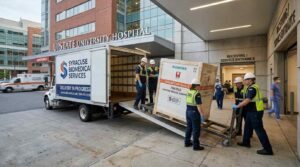
At this stage, hospitals are not just researching—they are ready to make decisions.
This is where Syracuse Biomedical Services provides value. The company supports healthcare facilities with professionally sourced, tested, and certified medical equipment designed to meet real clinical needs.
The goal is simple: help hospitals reduce risk while maintaining high-quality patient care.
Why Hospitals Choose Professional Sourcing
Healthcare facilities often choose professional biomedical sourcing because it:
- Reduces risk of equipment failure
- Ensures compliance with safety standards
- Speeds up procurement timelines
- Provides expert technical validation
Instead of guessing equipment quality, hospitals get verified results backed by biomedical expertise.
How the Sourcing Process Works
A structured biomedical sourcing process includes:
- Identifying equipment based on clinical requirements
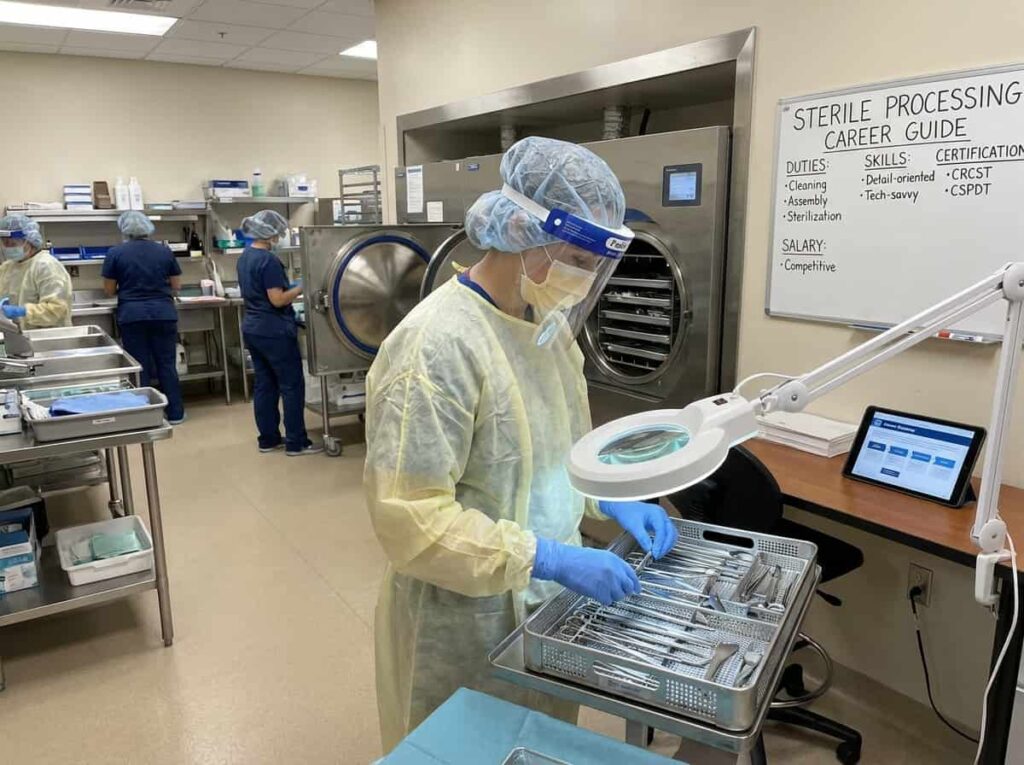
- Full mechanical and electrical inspection
- Calibration testing and performance validation
- Compliance documentation review
- Delivery and installation support
Each step is designed to ensure the equipment is ready for real hospital environments, not just storage or resale.
How Quality and Compliance Are Maintained
Quality assurance is not a one-time check. It is a continuous process that includes:
- Multi-stage testing procedures
- Preventive maintenance planning
- Safety verification aligned with healthcare standards
- Detailed documentation for audits and inspections
This approach helps hospitals stay ready for accreditation and reduces operational risk.
Common Challenges This Service Solves
Hospitals often struggle with:
- Tight budgets for new equipment
- Emergency equipment replacement needs
- Difficulty verifying used equipment quality
- Long procurement cycles
Professional sourcing solves these problems by offering faster, safer, and more reliable access to equipment without compromising clinical safety.
Get Expert Biomedical Support
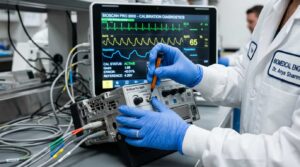
If your facility is planning equipment upgrades, expansion, or replacements, working with experienced professionals can save both time and money.
Syracuse Biomedical Services helps healthcare facilities source reliable, fully tested medical equipment with confidence.
You can:
- Request a customized sourcing consultation
- Get a full equipment inspection and evaluation plan
- Build a cost-effective procurement strategy tailored to your facility
Final Thoughts
Sourcing medical equipment is no longer just about finding the lowest price. It is about safety, reliability, and long-term performance.
By working with experienced biomedical professionals and choosing properly validated used medical equipment, hospitals can reduce costs without risking patient care.
For trusted, professional support in equipment sourcing, inspection, and lifecycle management, Syracuse Biomedical Services provides solutions designed specifically for healthcare environments that demand both safety and efficiency.
Frequently Asked Questions
1. What is used medical equipment?
Used medical equipment refers to previously owned devices that have been inspected, tested, and prepared for continued clinical use.
2. Is used medical equipment safe?
It can be safe when properly inspected, calibrated, tested, and maintained by qualified professionals.
3. What are the benefits of buying used medical equipment?
It can help healthcare facilities reduce upfront costs while meeting equipment and operational needs.
4. What should I check before buying used equipment?
Check its service history, calibration records, safety testing, certifications, and warranty or service agreements.
5. Why is professional inspection important?
Professional inspection helps identify hidden faults, verify performance, and reduce the risk of equipment failure.