
The ultrasound machine cost is one of the most important budgeting questions for hospitals, clinics, and imaging centers today. But the truth is simple: there is no single fixed price. Two machines that look similar can have very different costs depending on features, condition, and long-term service needs.
Many healthcare facilities focus only on the purchase price and miss the bigger picture—installation, maintenance, downtime, and upgrades. These hidden factors can significantly increase the total cost over time.
What Impacts the Price of Diagnostic Imaging Equipment in Modern Healthcare?
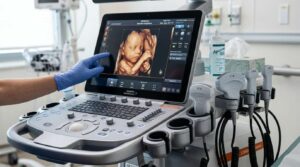
Why Medical Imaging Equipment Costs Keep Changing
Medical imaging equipment pricing is always shifting. The ultrasound machine cost is influenced by global supply chains, technology updates, and healthcare demand. When parts become harder to source or technology improves, prices can rise quickly.
From a biomedical service perspective, even small hardware shortages—like imaging chips or probe components—can delay production and increase equipment costs. This is especially true for advanced diagnostic systems used in hospitals.
How Technology Improvements Affect Equipment Pricing
Modern ultrasound machines are far more advanced than older models. They include sharper imaging, faster processors, and even AI-assisted diagnostics. These innovations can influence ultrasound machine cost, but they also help doctors detect conditions earlier and with greater accuracy, making them a valuable investment for healthcare facilities.
However, better technology often means higher upfront cost. A simple 2D ultrasound system may be affordable for clinics, while a 4D or AI-enhanced system can cost significantly more. In many cases, the long-term value is higher, but the initial investment is also greater.
Why Compliance and Safety Standards Matter
All medical imaging equipment must meet strict safety and regulatory standards before use. These requirements ensure patient safety and accurate diagnostics.
Medical ultrasound systems are regulated by the U.S. Food and Drug Administration (FDA) as Class II medical devices, meaning they must meet performance standards and receive regulatory clearance before being marketed in the United States.
Hidden Costs Facilities Often Overlook
Many healthcare buyers focus only on equipment price. However, real-world biomedical operations show that hidden costs can be just as significant.
These include:
- Installation and setup
- Staff training
- Calibration and testing
- Preventive maintenance
- Downtime during repairs or relocation
A machine that looks affordable upfront may become expensive if it requires frequent servicing or extended downtime. This is why total cost planning is essential in healthcare budgeting.
Ultrasound Machine Cost Explained: 12 Factors That Change Pricing in 2026

Understanding the ultrasound machine cost requires more than comparing price tags. Below are the most important factors that influence real-world pricing.
1. Manufacturer and Brand Differences
Different brands offer different levels of imaging quality, durability, and service support. Premium brands often cost more but provide better long-term reliability and service networks.
2. New vs Refurbished Systems
New ultrasound systems offer the latest technology, while refurbished systems can provide major cost savings if properly serviced and certified.
Certified biomedical refurbishment ensures safety and performance standards are met, making it a practical option for many clinics.
3. Imaging Features and System Capabilities
Basic ultrasound systems are less expensive than advanced 3D or 4D systems. The more detailed the imaging capability, the higher the cost.
4. Portable vs Cart-Based Systems
Portable ultrasound machines are smaller and more affordable. Cart-based systems are more powerful and designed for heavy hospital use, which increases cost.
5. Transducers and Probe Types
Specialized probes used for cardiac, abdominal, or vascular imaging can significantly increase total system cost. Many facilities underestimate this part of the budget.
6. Service and Maintenance Agreements
Ongoing service contracts protect equipment performance and reduce unexpected breakdown costs. From a biomedical perspective, preventive maintenance is always more cost-effective than emergency repairs.
7. Installation and Calibration
Proper installation ensures accuracy and safety. This includes system calibration, testing, and user training. Poor setup can lead to performance issues and higher repair costs later.
8. Software and Licensing Fees
Modern ultrasound systems often require licensed software updates. These recurring costs must be included in long-term budgeting.
9. Warranty Coverage
Some warranties only cover parts, while others include labor and service. Understanding coverage terms is critical before purchase.
10. Clinical Application
Different medical departments require different imaging capabilities. For example, OB/GYN systems differ from cardiology systems, which affects pricing.
11. Equipment Age and Lifecycle
Older systems may be cheaper upfront but often require more maintenance. Lifecycle planning helps reduce long-term costs.
12. Downtime and Operational Loss
When equipment fails, patient care slows and revenue can be affected. Biomedical field experience shows that downtime is often the most expensive hidden cost in healthcare equipment ownership.
Why Total Cost of Ownership Matters
Instead of focusing only on purchase price, healthcare facilities should evaluate total cost of ownership (TCO). This includes maintenance, repairs, upgrades, and downtime risks.
A study in Health Affairs highlights that hospitals increasingly factor lifecycle costs into purchasing decisions because long-term operational expenses often exceed initial acquisition costs (Health Affairs, 2023).
Get a Custom Ultrasound Equipment Budget & Procurement Consultation

Why Standard Pricing Is Not Enough
No two healthcare facilities are the same. A small clinic and a large hospital will have very different imaging needs, workloads, and budgets. This makes general pricing estimates unreliable.
That is why expert evaluation is essential when planning an ultrasound machine purchase.
How Biomedical Experts Help Reduce Costs
Working with experienced biomedical professionals helps facilities avoid unnecessary spending. Experts can assess:
- Equipment condition
- Best value (new vs refurbished)
- Maintenance risks
- Compatibility with existing systems
This approach ensures smarter decisions and reduces long-term costs.
What You Get in a Consultation
A professional equipment consultation typically includes:
- A detailed cost breakdown tailored to your facility
- Recommendations based on clinical needs
- Service and maintenance planning
- Risk and downtime analysis
This helps decision-makers choose equipment that fits both budget and performance needs.
Who Should Use This Service
This service is ideal for:
- Hospitals upgrading imaging departments
- Clinics expanding diagnostic services
- Facilities planning relocation or equipment replacement
Final Call to Action
Choosing the right ultrasound system is not just a purchase—it is a long-term investment in patient care, efficiency, and financial stability.
If your facility is planning to upgrade or evaluate imaging equipment, working with experienced biomedical specialists can help you avoid costly mistakes.
Contact Syracuse Biomedical Services to get a custom ultrasound machine cost assessment and procurement plan tailored to your facility’s needs.
Take the next step toward smarter, safer, and more cost-efficient medical imaging decisions today.
Frequently Asked Questions
1. What is used medical equipment?
Used medical equipment refers to previously owned devices that have been inspected, tested, and prepared for continued clinical use.
2. Is used medical equipment safe?
It can be safe when properly inspected, calibrated, tested, and maintained by qualified professionals.
3. What are the benefits of buying used medical equipment?
It can help healthcare facilities reduce upfront costs while meeting equipment and operational needs.
4. What should I check before buying used equipment?
Check its service history, calibration records, safety testing, certifications, and warranty or service agreements.
5. Why is professional inspection important?
Professional inspection helps identify hidden faults, verify performance, and reduce the risk of equipment failure.


