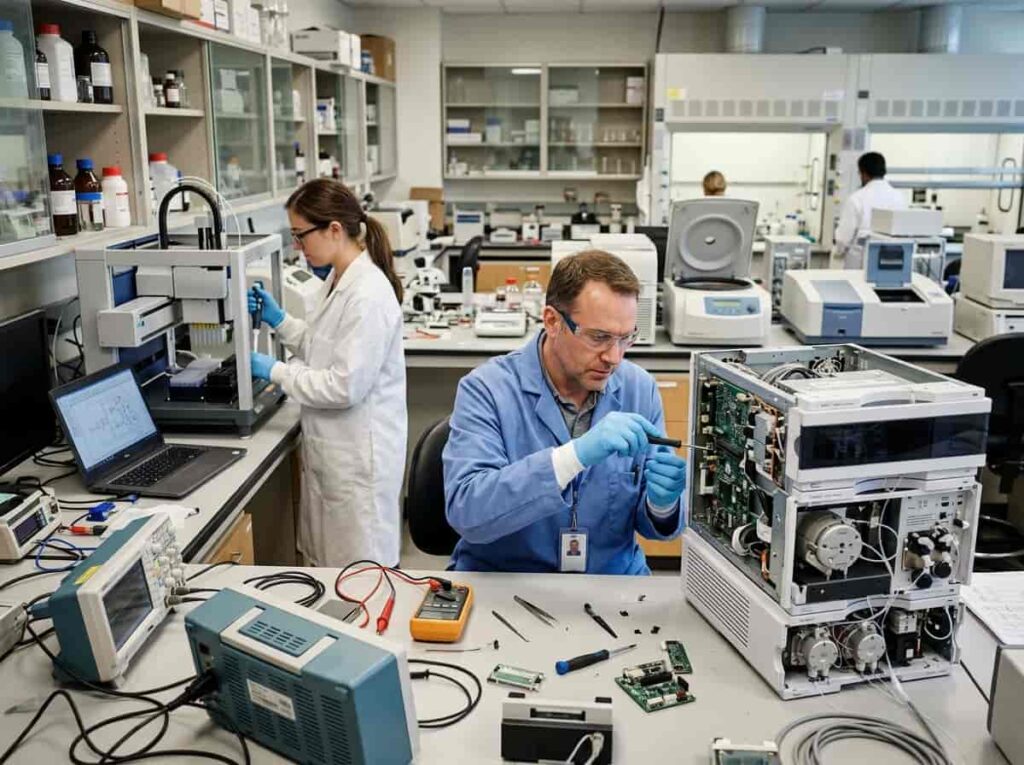
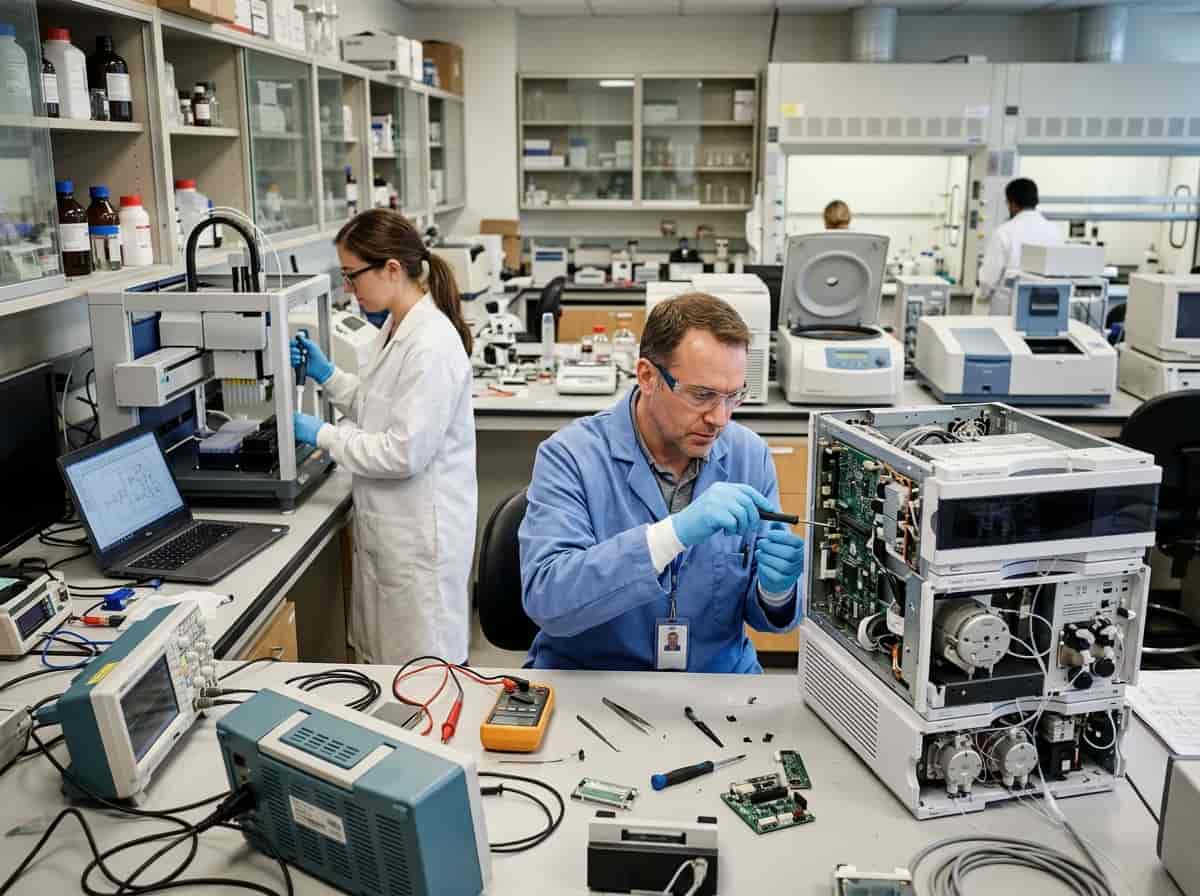
Picture a busy imaging clinic. Parents bring their tiny newborns for X-rays. Accuracy matters—one blurry image can lead to a retake. That means more radiation, worried parents, more time, and lost money.
Here’s the good news: a trained baby xray technician can stop that from happening. They know how to set up the machine just right and use the best methods. In this article, we will explain:
- Why baby Xray are costly
- How skilled technicians cut down retakes and costs
- How clinics can get expert pediatric imaging care from Syracuse Biomedical Services
Let’s get started.
I. Cost Factors Behind Baby Xray Procedures

Baby Xray cost more than adult ones. Why?
1. Special Machines and Sensors
Infant imaging systems use small detectors and low-power radiation sources. These tools are more sensitive—and often more expensive—than general-use X-ray machines. They’re designed to capture high-quality images at the lowest dose possible.
Also, pediatric machines often come with special software. These programs automatically adjust exposure for tiny bodies. While this improves safety and accuracy, it adds to the purchase and maintenance costs.
2. Extra Safety Steps
Babies are sensitive to radiation. That means settings must be exact. Techs use protective lead aprons, special positioning tools, and quick exposure settings. Every step takes extra time and attention, which raises procedure costs.
3. More Training Is Needed
Only certified pediatric radiology technicians can handle newborns safely. They’ve been trained in radiation safety, pediatric anatomy, infant immobilization, and machine calibration. Their work ensures that scans are done right the first time.
4. Retake Risk
Any slight movement or misalignment can ruin the image. Retakes don’t just waste time—they expose babies to more radiation and delay diagnoses. This is why clinics aim to reduce repeat scans as much as possible.
5. Higher Stakes in Pediatric Imaging
Medical decisions in babies often rely on imaging. A poor scan could lead to delays in treatment or missed diagnoses. Because of this, clinics and hospitals must invest in both top-quality equipment and skilled technicians.
II. How Baby Xray Technicians Reduce Retakes and Costs
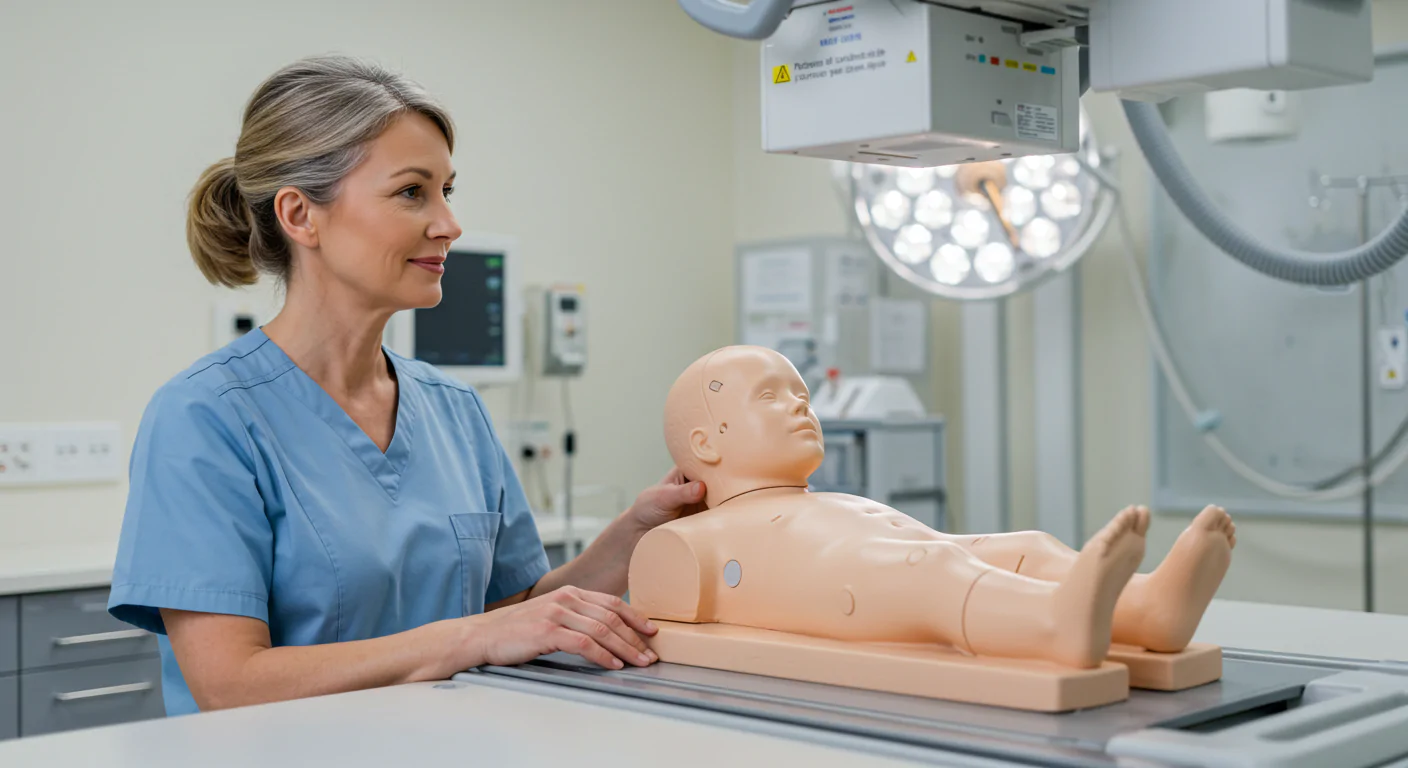
A trained baby xray technician knows exactly how to get it right the first time. They use special skills to protect babies and reduce unnecessary imaging.
A. Pediatric-Specific Training & Technique
- They follow ALARA principles—keeping radiation As Low As Reasonably Achievable.
- They use infant-friendly positioning aids to reduce motion blur and keep babies still.
- They adjust beam angles, exposure time, and shielding methods to match the infant’s size.
- They interpret exposure indicators and make corrections immediately.
Even small errors—like selecting the wrong imaging preset—can cause a retake. Pediatric techs are trained to avoid these mistakes.
B. Equipment Calibration & Quality Control
- Before every shift, technicians perform quality control (QC) tests using phantoms—models that mimic human tissue. These test images help ensure the machine is ready for clinical use.
- They calibrate for dose, image contrast, and resolution. These factors are vital in capturing chest or bone images in newborns, where structures are very small.
Pediatric imaging equipment must maintain consistent radiation output and image quality. A minor drift in calibration can lead to significant errors in baby Xray.
C. Real-World Gains
- Clinics that implement structured QC protocols reduce retake rates by up to 50%.
- Fewer retakes = less radiation, happier patients, more accurate results.
- Smooth imaging flow means better use of staff time and more patients served per day.
D. Behind-the-Scenes: Biomedical Technicians
These specialists support imaging techs by ensuring the equipment stays in peak condition:
- Cleaning sensors and fans
- Inspecting wires and digital boards
- Updating imaging software
- Checking alignment and recalibrating detectors
- Replacing worn parts with OEM-certified components
By identifying wear or system glitches early, biomedical technicians help clinics avoid costly emergency repairs.
One study showed that regular equipment service improves uptime and extends the life of diagnostic imaging systems by over 30% (Kelvin-Agwu et al., 2024).
III. Get a Quote for Pediatric Equipment Maintenance

A. Why Regular Calibration Matters
Xray machines—especially pediatric ones—need precise calibration. Over time, settings can drift. Detectors age. Software becomes outdated. All of these can lead to poor images or failed exposures.
Routine calibration ensures your system stays within safe and effective limits.
B. What Syracuse Biomedical Services Offers
Our certified biomedical technicians provide:
- On-site visits with same-day testing and tune-ups
- Pediatric system calibration (sensor alignment, beam settings, exposure presets)
- Radiation output testing using dosimeters
- Software and firmware updates for compliance
- OEM-certified part replacements
- Detailed post-service reports with safety notes and suggestions
C. Why Choose Us
- Trusted by pediatric clinics and hospitals across Upstate and Central NY
- Fast response time—avoid weeks of downtime waiting for off-site repairs
- Long-term service plans to lower emergency costs
- Experienced with pediatric imaging systems including GE, Philips, Fuji, Carestream, and Canon
D. Call to Action
Request your pediatric Xray equipment maintenance quote today
We’ll make sure your smallest patients are protected—and your staff can do their best work.
Conclusion
Baby Xray must be done with precision. A single retake adds risk, costs, and stress. Skilled baby xray technicians, paired with regular equipment maintenance, solve this problem.
They help your clinic:
- Cut retakes
- Improve patient safety
- Maintain image quality
- Avoid costly downtime
Let Syracuse Biomedical Services support your pediatric imaging team. We offer professional, fast, and affordable solutions that protect your patients and preserve your equipment investment.
Contact us today to schedule a maintenance visit or get a customized quote.
For more details, take a look at these helpful resources
1. How Much Do X-Ray Cost and What You Need to Know
2. Everything You Need to Know About Volumetric Pumps
3. How much do X-Ray Cost Without Insurance? What to Expect in 2025
4. Biomedical Equipment Services
Frequently Asked Questions:
1. What is a baby xray used for?
A baby xray is used to help doctors check bones, lungs, and internal organs for injuries, infections, or medical conditions in infants.
2. Is a baby xray safe?
Yes, a baby xray is considered safe when medically necessary. It uses very low levels of radiation and is carefully controlled by professionals.
3. Why might a baby need an xray?
A baby may need an xray to diagnose issues like fractures, breathing problems, swallowed objects, or infections.
4. Does a baby xray hurt the child?
No, a baby xray is painless and non-invasive. The child simply needs to stay still while images are taken.
5. How long does a baby xray take?
A baby xray is usually quick and often completed within a few minutes, depending on the area being examined.