Every second counts when a patient’s heart stops unexpectedly. Defibrillator machines are vital lifesaving devices that ensure hospitals and clinics are prepared for cardiac emergencies. But even the most advanced defibrillators won’t save lives if they aren’t properly maintained. From battery checks to software updates, regular maintenance ensures these devices work reliably when it matters most.
Why Biomedical Equipment Maintenance Matters for Patient Safety

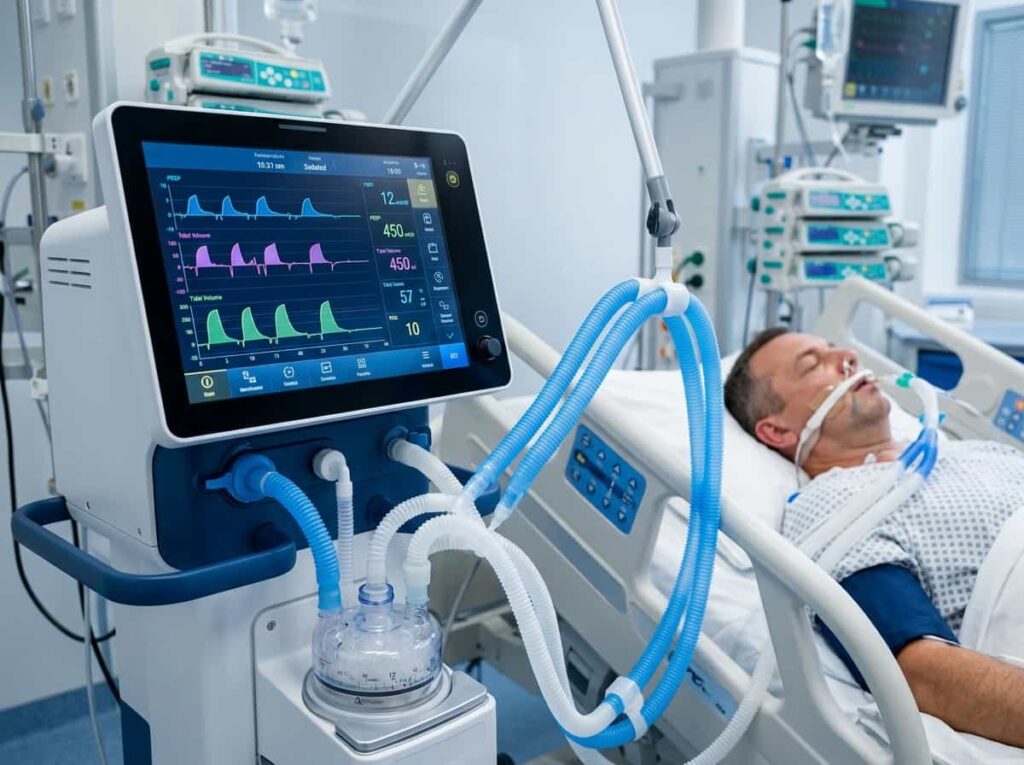
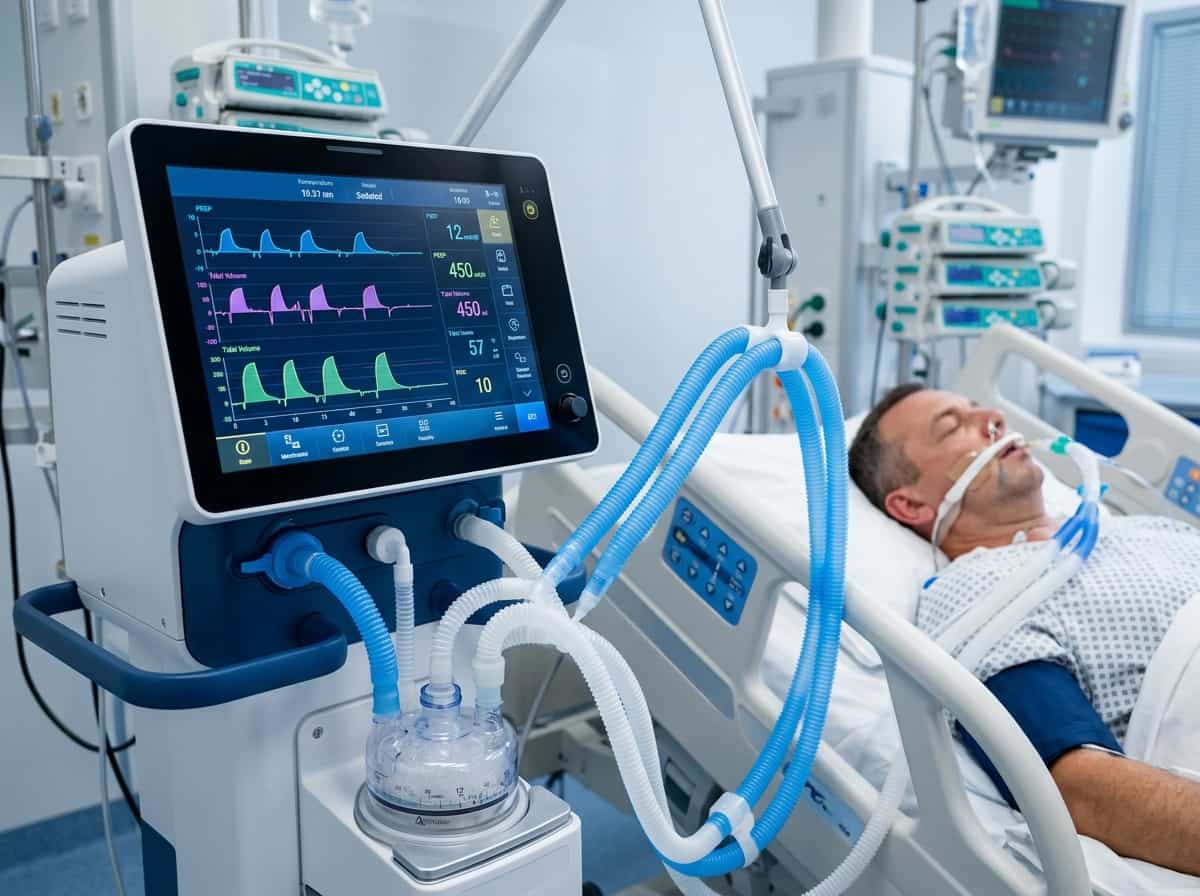
Medical equipment isn’t just hardware—it’s a lifeline. Defibrillators, ventilators, and monitors play a direct role in patient outcomes. A single malfunction can put lives at risk, lead to costly repairs, and even result in compliance violations.
The Role of Biomedical Equipment in Healthcare Safety
Every piece of biomedical equipment in a hospital undergoes significant stress. Defibrillator machines, for example, must deliver precise electrical shocks to restart a heart in critical moments. If the battery is weak, the electrodes are worn, or the software fails, the device may not function when needed. According to the World Health Organization, a well‑managed maintenance program that includes inspection and preventive maintenance steps helps reduce equipment failure rates and supports the safe operation of medical devices for patient care.
Common Risks of Poor Maintenance
Poorly maintained equipment can create a cascade of problems:
- Device Failure: A defibrillator may not charge or deliver the correct energy output.
- Inaccurate Readings: Monitors and diagnostic devices may produce unreliable results.
- Regulatory Consequences: Noncompliance with standards like the Joint Commission or FDA regulations can result in penalties.
Regulatory and Accreditation Standards
Healthcare facilities must follow strict regulations to ensure equipment safety. Medical devices, including defibrillator machines, must be maintained and tested to ensure safe and reliable operation. The FDA requires proper calibration and documentation by manufacturers, and the Joint Commission expects healthcare facilities to implement documented maintenance and inspection programs for high-risk equipment (FDA, 2023; Joint Commission, 2022) Keeping records of maintenance, inspections, and repairs is crucial for audits and accreditation reviews.
The Complete Guide to Defibrillator Machine Maintenance Best Practices

Understanding and maintaining your defibrillator machine is essential for reliable performance. A structured maintenance program protects patients, staff, and the facility’s reputation.
Understanding Your Defibrillator Machine
Defibrillators come in several types: manual, automated external defibrillators (AEDs), and implantable devices. Each has unique components:
| Component | Maintenance Requirement |
| Battery | Must retain charge and be replaced according to manufacturer guidance. |
| Electrodes / Pads | Must be free of damage and within expiration dates. |
| Software / Firmware | Updates may include safety improvements or compliance fixes. |
Knowing your device inside and out helps you identify issues early and ensures appropriate preventive measures.
Preventive Maintenance Steps
Preventive maintenance reduces the risk of equipment failure. Key practices include:
- Daily/Weekly Checks: Visual inspections for wear, battery levels, and electrode conditions.
- Functional Testing: Perform self-tests or device diagnostics as recommended by the manufacturer.
- Cleaning and Storage: Ensure the device is clean and stored in a ready-to-use location.
Facilities that implement these practices see fewer unexpected failures, longer device life, and improved compliance with regulatory standards.
Calibration and Compliance
Calibration is the process of verifying that the defibrillator delivers the correct energy output. Incorrect calibration can reduce effectiveness or cause harm. Record-keeping is critical—document every calibration, maintenance task, and repair for regulatory inspections and internal audits. Regular calibration ensures reliability and provides peace of mind that the device will function correctly during emergencies.
Troubleshooting and Common Repairs
Even well-maintained devices can encounter problems. Common issues include:
| Common Issue | Description / Impact |
| Battery Degradation | Older batteries may fail to hold a charge, reducing device readiness. |
| Pad / Electrode Damage | Worn or expired electrodes can prevent proper contact with the patient, affecting shock delivery. |
| Software Errors | Firmware glitches may interfere with device functions, including shock delivery or notifications. |
While some minor troubleshooting can be handled internally, most repairs should be performed by biomedical technicians. Attempting complex repairs without training can compromise safety and void warranties.
Choosing a Professional Maintenance Partner
Selecting the right service provider is critical. Look for:
- Rapid Response Time: Emergencies require immediate support.
- Comprehensive Services: Preventive maintenance, calibration, troubleshooting, and repair should all be offered.
Syracuse Biomedical Services provides professional, on-site maintenance for defibrillator machines, ensuring regulatory compliance and optimal device performance.
Schedule Professional Defibrillator Machine Maintenance Services Today

When it comes to life-saving equipment, there’s no room for compromise. Professional maintenance ensures your defibrillator machines are always ready to perform.
Why Choose Syracuse Biomedical Services
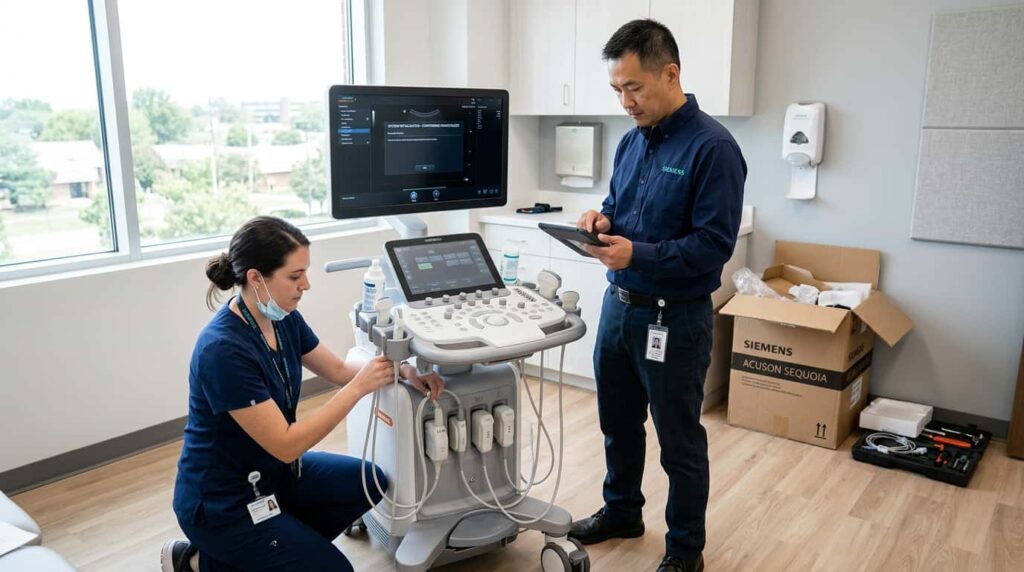
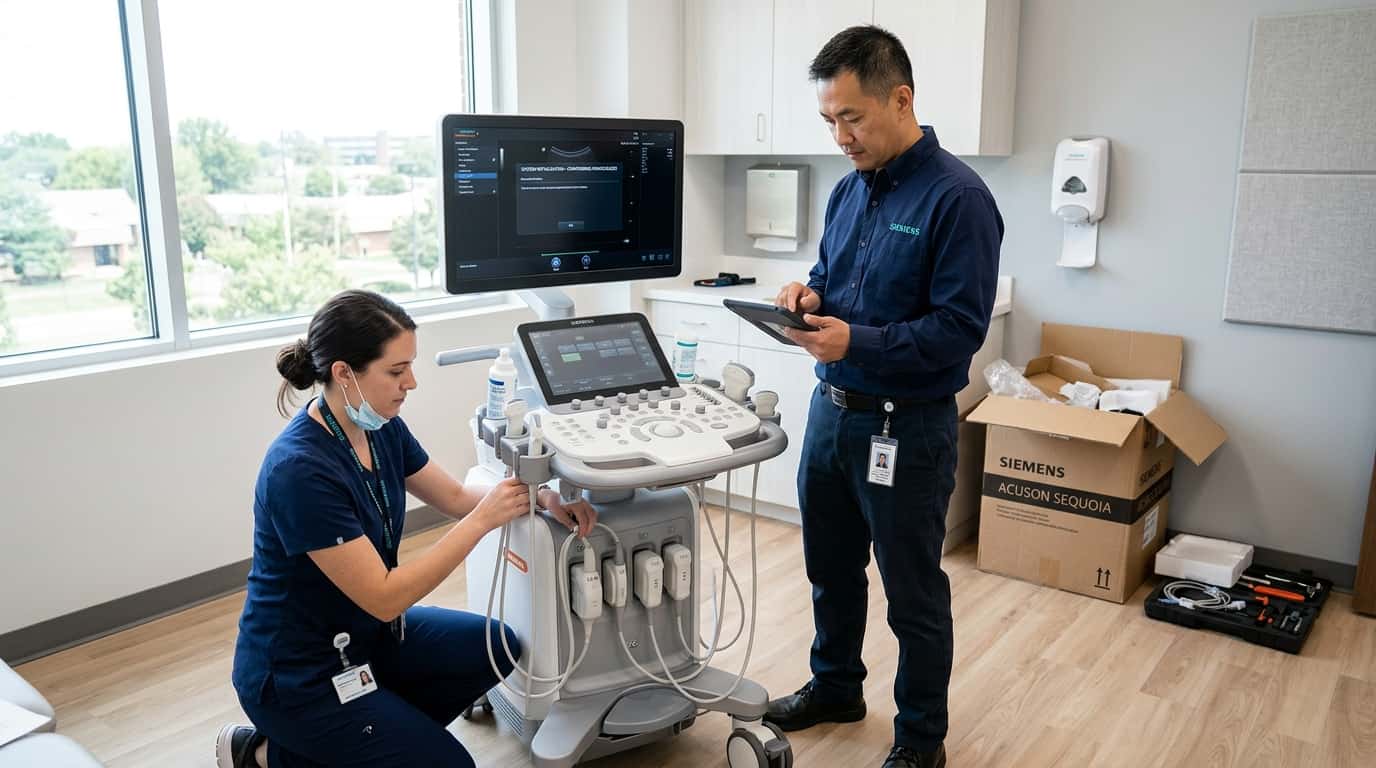
With years of experience, Syracuse Biomedical Services is a trusted partner for hospitals and clinics in New York. Our technicians provide:
- Expert Maintenance and Repairs to extend the life of your defibrillator machines.
- Regulatory Compliance Assistance to meet FDA and Joint Commission standards.
- Rapid Response Services for urgent equipment needs.
Customized Maintenance Plans for Every Facility
Every hospital and clinic has unique needs. Syracuse Biomedical Services creates tailored maintenance schedules based on:
- Device type and manufacturer
- Facility size and patient volume
- Usage frequency and operational risk
Our customized plans reduce downtime, prevent unexpected failures, and give healthcare providers confidence that their equipment is always ready.
Call to Action: Protect Your Patients Today
Don’t wait until an emergency exposes equipment vulnerabilities. Ensure your defibrillator machines are reliable and fully compliant. Schedule professional maintenance with Syracuse Biomedical Services today and keep your facility prepared for every cardiac emergency.
Frequently Asked Questions (FAQ)
Q1: How often should a defibrillator machine be maintained?
A: Maintenance frequency depends on manufacturer recommendations and usage. Most facilities perform preventive checks monthly, battery inspections quarterly, and full service annually. Regular maintenance ensures reliability and compliance with regulatory standards (FDA, 2023).
Q2: Can hospital staff perform defibrillator maintenance themselves?
A: Staff can perform basic visual inspections and functional checks, but calibration, repairs, and troubleshooting should be done by biomedical technicians to ensure safety and compliance.
Q3: What happens if a defibrillator fails during an emergency?
A: A device failure can delay critical care and endanger patients. Regular preventive maintenance, inspection, and calibration reduce this risk by ensuring the device functions correctly when needed.
Q4: How do I know my defibrillator machine meets regulatory requirements?
A: Facilities must follow manufacturer maintenance guidelines and maintain documentation for audits. Accrediting organizations, such as the Joint Commission, review these records to verify compliance (Joint Commission, 2022).
Q5: Can software updates affect a defibrillator’s performance?
A: Yes. Firmware or software updates often include safety improvements, compliance fixes, and bug resolutions. Ensuring updates are applied promptly is part of good maintenance practices.
Visit the links below to learn more about Biomedical Services.
- A Simple Guide to Understanding Sphygmomanometer Parts
- CT Scan Cost Explained: With and Without Insurance
- Trust the Experts for Delicate Lens Care: Learn How to Clean the Microscope Lens Without Common Pitfalls
- Restrictions While Wearing A Holter Monitor
- How Much Do X Rays Cost Without Insurance? What to Expect in 2026