Medical sterilization is at the heart of safe healthcare. Whether you run a hospital, clinic, or surgical center, ensuring that your equipment is fully sterilized is crucial for patient safety and regulatory compliance. Choosing the right sterilizer is not just a technical decision—it’s a step toward protecting lives, maintaining accreditation, and optimizing operational efficiency. This guide will walk you through the basics of medical sterilization, help you evaluate sterilizers, and show how professional installation and calibration services can maximize your equipment’s performance.
What Is Medical Sterilization? Complete Guide for Healthcare Facilities

Medical sterilization is the process of eliminating all forms of microbial life, including bacteria, viruses, and spores, from medical instruments and equipment. Unlike disinfection, which reduces microorganisms to a safe level, sterilization completely removes them, ensuring instruments are safe for patient care. Proper sterilization helps prevent healthcare-associated infections (HAIs), which affect thousands of patients every year in the United States (Centers for Disease Control and Prevention [CDC], 2022).
Definition and Purpose of Medical Sterilization
Sterilization is more than just cleaning instruments—it’s a controlled, regulated process designed to protect patients, staff, and the integrity of clinical procedures. Healthcare facilities rely on sterilizers to maintain a safe, compliant environment. By removing microorganisms completely, sterilization minimizes infection risk and supports the hospital’s reputation for safety and reliability.
Common Methods of Sterilization in Hospitals
Hospitals use several types of sterilization methods depending on the instruments, materials, and clinical requirements:
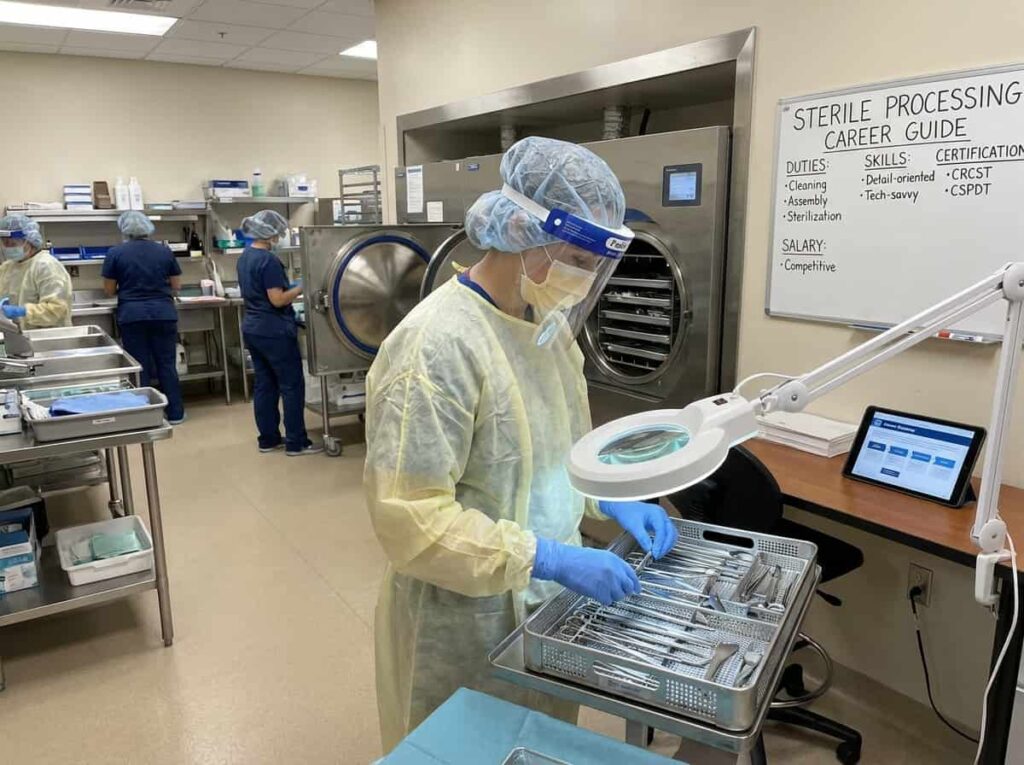
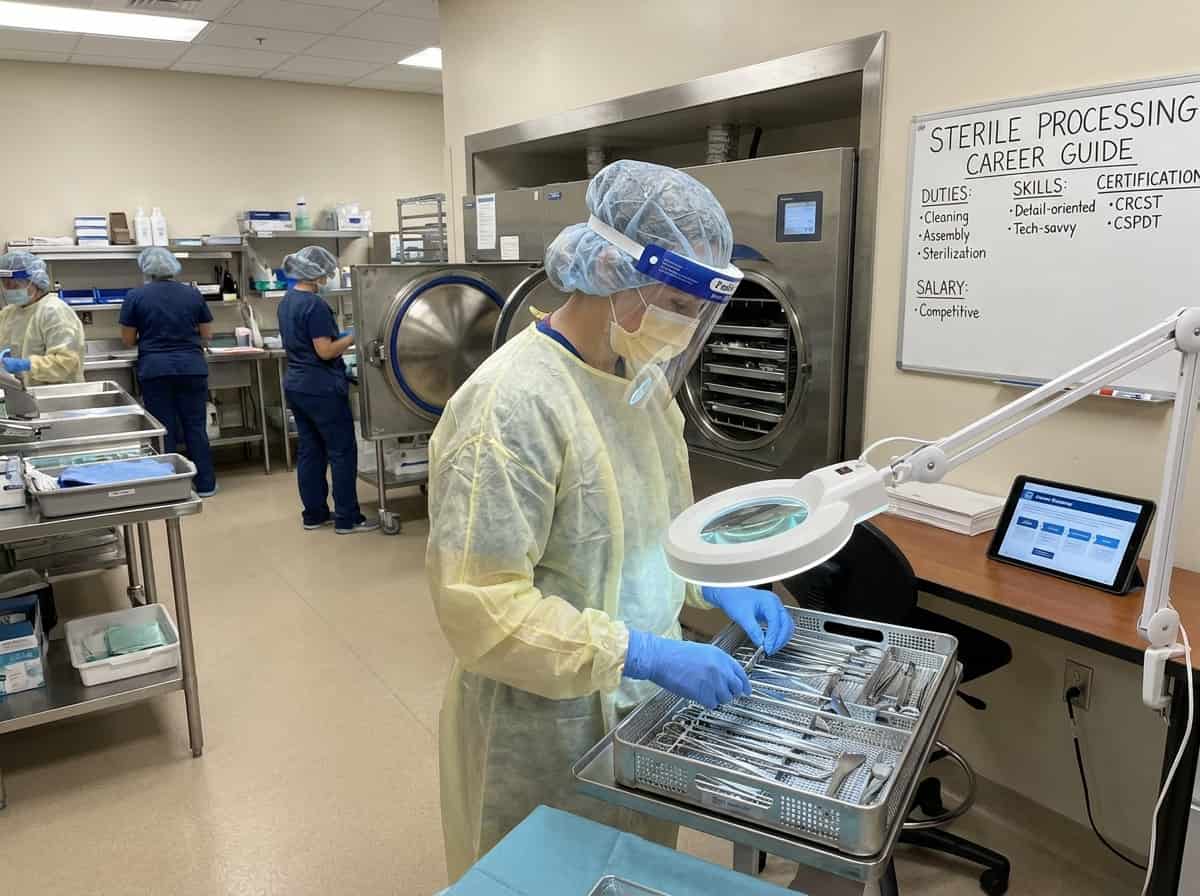
- Steam Sterilization (Autoclaves): Uses pressurized steam to sterilize instruments. It is fast, cost-effective, and widely used for metal surgical tools.
- Ethylene Oxide (EO) Sterilization: Ideal for heat-sensitive instruments like plastics or electronics. EO sterilization is slower but effective for delicate equipment.
- Low-Temperature Plasma Sterilization: Uses hydrogen peroxide vapor and plasma to sterilize sensitive instruments without heat damage. This modern method is increasingly common in high-tech clinical settings.
- Chemical Sterilization: Uses liquid chemical agents to sterilize instruments that cannot tolerate heat or pressure.
Each method is designed for specific clinical needs, highlighting why selecting the right sterilizer is essential for effective and safe sterilization.
Regulatory Standards and Compliance Requirements
Sterilizers must comply with standards set by regulatory bodies like the FDA, CDC, and ISO. Proper sterilizer operation ensures compliance with infection control protocols and reduces the risk of penalties or failed inspections (Food and Drug Administration [FDA], 2021). Following these standards is critical for any facility that prioritizes patient safety and operational excellence.
How to Choose a Sterilizer for Your Clinical Needs

Selecting the right sterilizer goes beyond brand or price—it requires a careful evaluation of your facility’s needs, equipment compatibility, and long-term efficiency. The right choice can improve workflow, reduce downtime, and maintain patient safety.
Key Factors to Consider
When evaluating sterilizers, consider the following factors:
| Factor | Description |
| Capacity | It must handle your daily instrument load efficiently to keep up with clinical workflow. |
| Turnaround Time | Fast sterilization cycles improve workflow and ensure instruments are available when needed. |
| Ease of Use | Intuitive controls reduce operator error and minimize training time for staff. |
| Energy and Resource Efficiency | Modern sterilizers can lower utility costs while maintaining reliable performance. |
| Maintenance Needs | Equipment that is easy to service reduces downtime and helps maintain continuous operations. |
| Material Compatibility | Ensure that it is safe for all instruments used in your facility, including heat- or moisture-sensitive devices. |
These factors help clinical managers balance performance, cost, and reliability.
Comparison of Sterilizer Types
Different types offer distinct advantages depending on your facility’s requirements:
| Type | Advantages | Considerations |
| Steam (Autoclave) | Fast cycles, cost-effective, widely available | Limited for heat-sensitive instruments |
| EO Sterilizer | Safe for delicate instruments | Longer cycles, requires aeration |
| Low-Temperature Plasma | Protects sensitive devices, modern technology | Higher upfront cost |
| Chemical Sterilization | Useful for heat-sensitive items | Requires careful handling and disposal |
By comparing features, costs, and instrument compatibility, healthcare managers can make informed purchasing decisions that reduce long-term operational challenges.
Cost vs. Performance Considerations
Total cost of ownership (TCO) is a critical factor in sterilizer selection. Beyond the initial purchase price, consider consumables, energy usage, maintenance, and repair costs. Choosing a sterilizer with high reliability and minimal downtime ultimately saves money and ensures patient safety.
Maintenance and Longevity
Preventive maintenance is essential for prolonging the life of your sterilizer. Regular calibration, inspections, and service reduce the risk of equipment failure, ensure consistent sterilization cycles, and help maintain regulatory compliance. Properly maintained sterilizers protect both your patients and your investment.
Get Professional Sterilizer Installation & Calibration Services

Even the best sterilizer will underperform if it is not installed, calibrated, and maintained correctly. Professional services ensure your sterilizer operates safely, efficiently, and in compliance with healthcare regulations.
Why Professional Installation Matters
Improper installation can lead to equipment damage, non-compliance, and safety hazards. Technicians from Syracuse Biomedical Services follow strict protocols to set up sterilizers correctly, ensuring optimal performance and compliance with all standards.
Calibration and Validation Services
Regular calibration and validation are essential for consistent sterilization cycles. Professional calibration services verify that your sterilizer reaches the required temperatures and pressures, protecting patients and maintaining operational reliability. Validation documentation is also critical for audits and accreditation inspections.
Support and Maintenance Packages
Syracuse Biomedical Services offers comprehensive service packages, including preventive maintenance, emergency repairs, and routine inspections. These packages reduce downtime, extend equipment life, and help healthcare facilities maintain uninterrupted operations. Facilities can rely on a trusted partner to manage the full lifecycle of their sterilization equipment.
Call to Action
Ensure your sterilizer performs at peak efficiency and meets all healthcare standards. Contact Syracuse Biomedical Services today to schedule professional sterilizer installation, calibration, or maintenance services. Our experienced technicians provide reliable, compliant, and cost-effective solutions to keep your facility safe and operational.
Frequently Asked Questions (FAQs)
Q1: How often should it be calibrated?
A: It should be calibrated at least once a year, or more frequently if recommended by the manufacturer or after major repairs. Regular calibration ensures accurate sterilization cycles and compliance with healthcare standards.
Q2: Which type of sterilizer is best for a small clinic?
A: For small clinics, steam autoclaves or low-temperature sterilizer are often ideal. Steam sterilizer are cost-effective and fast, while low-temperature sterilizers protect heat-sensitive instruments.
Q3: What are the risks of improper operation?
A: Improper operation can lead to incomplete sterilization, putting patients at risk of infection. It may also violate regulatory requirements and result in failed inspections or penalties.
Q4: Can I perform its maintenance in-house?
A: Routine cleaning can be performed by trained staff, but preventive maintenance, calibration, and validation are best handled by professionals to ensure safety, reliability, and compliance.
Q5: How do I know which sterilizer is right for my facility?
A: Choosing the right tool depends on your instrument load, material compatibility, workflow needs, and budget. Professional consultation, like the services offered by Syracuse Biomedical Services, can guide you to the best solution.
Want to know more about Biomedical Services? Check out these links!
- A Simple Guide to Understanding Sphygmomanometer Parts
- CT Scan Cost Explained: With and Without Insurance
- Trust the Experts for Delicate Lens Care: Learn How to Clean the Microscope Lens Without Common Pitfalls
- Restrictions While Wearing A Holter Monitor
- How Much Do X Rays Cost Without Insurance? What to Expect in 2026