Mechanical ventilation is one of the most important technologies in modern healthcare. A medical ventilator machine helps patients breathe when illness, injury, or surgery makes normal breathing difficult or impossible. From intensive care units (ICUs) to ambulances and neonatal care, these life-support devices are used every day to support safe and effective patient care.
However, not every medical ventilator machine is designed for the same purpose. Different healthcare environments require different features, ventilation modes, and monitoring capabilities. Understanding these differences helps hospitals, clinics, surgery centers, and other healthcare facilities choose the right equipment while planning for proper maintenance and long-term reliability.
What Is a Medical Ventilator Machine?
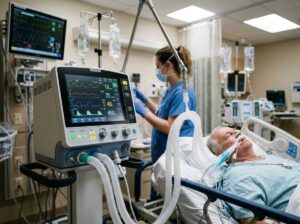
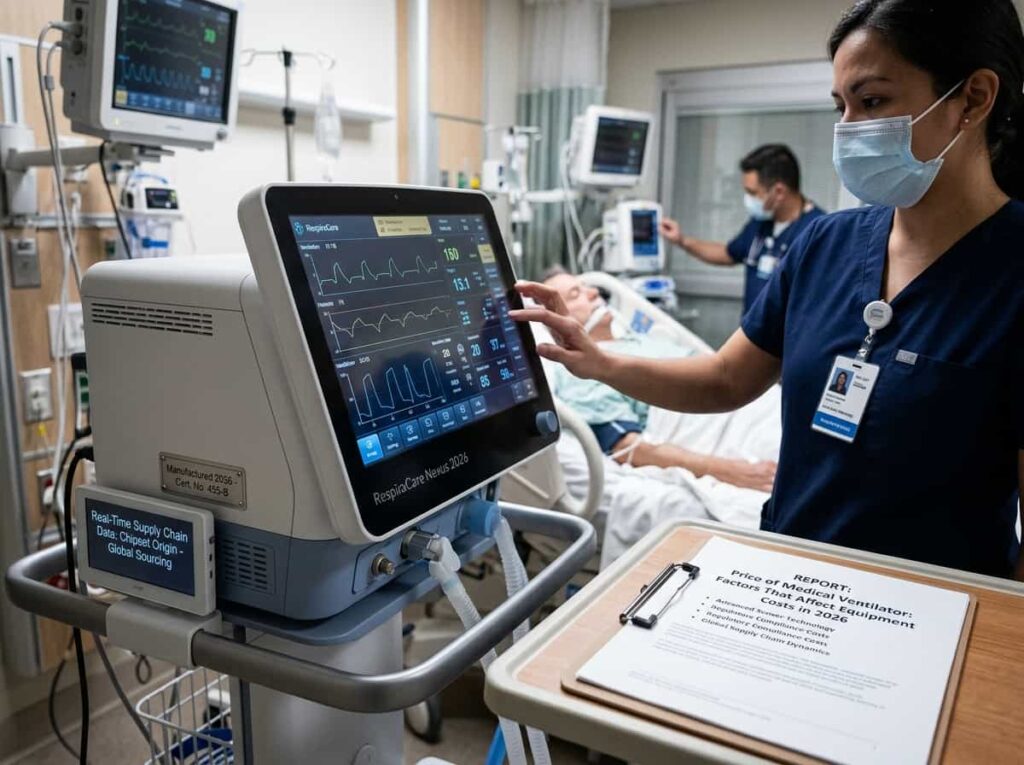
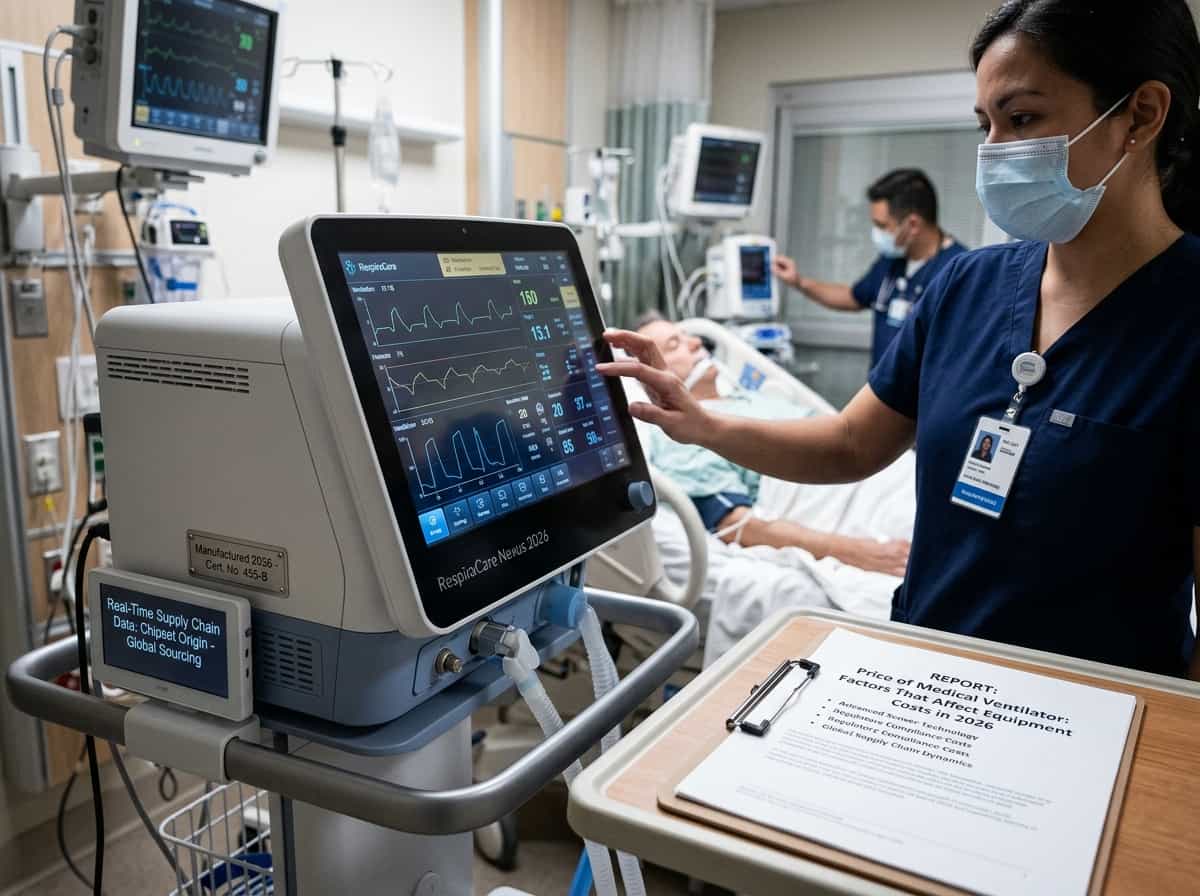
A medical ventilator machine is a life-support device that assists or completely controls a patient’s breathing when their lungs cannot provide enough oxygen or remove enough carbon dioxide on their own. The machine delivers controlled breaths through a breathing circuit connected to the patient, allowing healthcare providers to adjust settings based on the patient’s condition.
Ventilators are used to treat many medical conditions, including severe respiratory infections, chronic lung disease, trauma, neurological disorders, and patients recovering from major surgery. The American Association for Respiratory Care (AARC) recommends regular patient-ventilator assessment, including monitoring ventilator settings and key respiratory parameters, to support safe and effective mechanical ventilation (American Association for Respiratory Care, 2024).
How Does a Medical Ventilator Machine Support Patient Breathing?
A ventilator pushes air mixed with oxygen into the lungs using positive pressure. Healthcare providers can adjust breathing rate, tidal volume, oxygen concentration, and airway pressure to match each patient’s needs. Modern ventilators also monitor patient responses and provide alarms if abnormal conditions occur, helping clinicians respond quickly when changes are detected.
Which Healthcare Facilities Commonly Use Medical Ventilator Machines?
Medical ventilators are found in many healthcare environments, including:
- Intensive Care Units (ICUs)
- Emergency Departments
- Operating Rooms
- Post-anesthesia recovery units
- Neonatal Intensive Care Units (NICUs)
- Ambulances and medical transport services
- Long-term acute care hospitals
- Rehabilitation and specialty care facilities
Each setting presents different clinical challenges, which is why several ventilator designs are available.
Why Are Different Types of Ventilators Needed in Healthcare?
No single ventilator can meet every clinical requirement. Healthcare providers care for newborns, children, adults, critically ill patients, and patients who require transportation between facilities. Each group has unique respiratory needs that require specialized equipment.
When selecting a ventilator, healthcare organizations typically consider:
- Patient age
- Severity of illness
- Required ventilation modes
- Mobility requirements
- Length of respiratory support
- Monitoring capabilities
- Intended clinical environment
Choosing the appropriate ventilator helps improve patient care while supporting clinical efficiency.
Medical Ventilator Machine: Comparing ICU, Transport, Portable, and Neonatal Models
Understanding the differences between ventilator types helps healthcare facilities make informed purchasing and equipment management decisions.
What Is an ICU Medical Ventilator Machine?
ICU ventilators are designed for critically ill patients who require advanced respiratory support. These systems offer multiple ventilation modes, detailed patient monitoring, and sophisticated alarm systems. They are commonly used for patients with respiratory failure, severe infections, or complex medical conditions requiring continuous monitoring over extended periods.
What Is a Transport Medical Ventilator Machine?
Transport ventilators are compact, lightweight units built for patient movement between departments or healthcare facilities. Battery-powered operation and durable construction allow them to deliver reliable ventilation during ambulance transport, emergency response, or interfacility transfers while maintaining essential respiratory support.
What Is a Portable Medical Ventilator Machine?
Portable ventilators provide respiratory support outside traditional hospital settings. They are frequently used for home healthcare, rehabilitation, emergency preparedness, and long-term respiratory care. Their smaller size allows greater patient mobility while still delivering dependable ventilation.
Which Medical Ventilator Machine Is Best for Your Facility?
The best choice depends on your organization’s clinical services and patient population. Hospitals with intensive care units often require advanced ICU ventilators, while emergency medical services depend on transport models. Pediatric hospitals benefit from neonatal systems, and long-term care providers may need portable ventilators for ongoing respiratory support.
In addition to selecting the right equipment, healthcare facilities should evaluate long-term maintenance requirements, equipment availability, manufacturer recommendations, and service support before making purchasing decisions.
What Maintenance Does a Medical Ventilator Machine Require?
Because ventilators directly support patient breathing, routine maintenance is essential. Preventive maintenance helps identify worn components, verify system performance, and reduce unexpected equipment failures.
The Association for the Advancement of Medical Instrumentation (AAMI) recommends comprehensive medical equipment management programs that include preventive maintenance, performance verification, and documentation based on manufacturer recommendations (AAMI, 2023).
Why Is Preventive Maintenance Essential?
Preventive maintenance helps healthcare facilities:
- Improve equipment reliability
- Reduce unexpected downtime
- Identify potential failures early
- Extend equipment lifespan
- Support regulatory compliance
- Improve patient safety
Routine servicing also reduces costly emergency repairs and helps ensure ventilators remain available when patients need them most.
How Often Should Medical Ventilator Machines Be Inspected?
Inspection frequency depends on manufacturer recommendations, equipment usage, and facility maintenance programs. Preventive maintenance commonly includes functional testing, calibration, alarm verification, battery evaluation, airflow testing, leak testing, and documentation of inspection results.
Healthcare facilities should always follow the manufacturer’s instructions for use (IFU) and maintain complete maintenance records to support equipment management programs.
What Are Common Ventilator Problems Biomedical Technicians Identify?
During routine inspections, biomedical equipment professionals may identify issues such as:
- Battery degradation
- Oxygen sensor drift
- Internal air leaks
- Alarm malfunctions
- Pressure inconsistencies
- Flow measurement errors
- Valve wear
- Calibration deviations
Addressing these issues early helps prevent equipment failures that could disrupt patient care.
How Can Proper Ventilator Maintenance Improve Patient Safety?
Well-maintained ventilators provide more accurate respiratory support and reduce the likelihood of unexpected failures. Regular calibration helps verify that oxygen delivery, airway pressure, and tidal volume remain within acceptable performance limits.
Routine servicing also extends equipment life, improves reliability, and supports better lifecycle management. For healthcare organizations, proactive maintenance is often more cost-effective than responding to emergency equipment breakdowns.
How Should Healthcare Facilities Choose a Medical Ventilator Machine Service Provider?
Selecting a qualified biomedical equipment service provider is just as important as choosing the ventilator itself. Service providers should have experience working with life-support equipment and follow manufacturer-recommended maintenance procedures.
When evaluating a provider, consider whether they offer:
- Preventive maintenance programs
- Equipment inspections
- Functional performance testing
- Calibration services
- Multi-brand equipment support
- Detailed service documentation
- Experienced biomedical equipment technicians
- Responsive repair and troubleshooting services
Working with an experienced service partner helps healthcare organizations improve equipment uptime while supporting safe clinical operations.
Find the Right Medical Ventilator Machine Service Provider for Your Facility
Maintaining medical ventilator machines requires technical expertise, specialized testing equipment, and a proactive maintenance strategy. Syracuse Biomedical Services supports healthcare facilities with professional biomedical equipment services designed to improve equipment reliability and reduce operational downtime.
Whether your organization needs preventive maintenance, equipment inspections, calibration, troubleshooting, or ongoing equipment management support, partnering with experienced biomedical professionals can help protect both your investment and your patients.
By implementing scheduled maintenance programs and following manufacturer recommendations, healthcare facilities can improve equipment performance, extend service life, and maintain confidence that critical respiratory equipment is ready when needed.
Keep Your Medical Ventilator Machines Performing at Their Best
Reliable ventilators are essential for quality patient care, but even the most advanced equipment depends on regular inspection and maintenance to perform safely. Investing in preventive biomedical services today can help reduce unexpected failures, improve equipment availability, and support long-term operational efficiency.
If your hospital, surgery center, clinic, or healthcare facility is looking for dependable biomedical equipment support, contact Syracuse Biomedical Services to learn more about customized preventive maintenance programs, equipment inspections, calibration services, and ongoing medical equipment management tailored to your organization’s needs.
Frequently Asked Questions
1. What is a medical ventilator machine?
A medical ventilator supports or controls a patient’s breathing when they cannot breathe adequately on their own.
2. Where are medical ventilators commonly used?
They are used in ICUs, emergency departments, operating rooms, NICUs, ambulances, and long-term care facilities.
3. What are the main types of ventilators?
Common types include ICU, transport, portable, and neonatal ventilators.
4. How often should a ventilator be inspected?
Inspection frequency depends on the manufacturer’s recommendations, equipment usage, and the facility’s maintenance program.
5. Why is ventilator maintenance important?
Regular maintenance helps improve reliability, reduce unexpected failures, extend equipment life, and support patient safety.