What happens if hospitals do not maintain medical devices regularly?
Hospitals that fail to maintain medical devices risk equipment failure, delayed treatments, and patient safety issues. Devices may stop working during emergencies, leading to life-threatening situations. This is especially important when considering systems like defibrillator vs pacemaker, where proper function and timely operation are essential for patients with heart conditions. Poor maintenance also increases repair costs and can result in compliance violations during hospital inspections.
Why is medical device maintenance important for patient safety?
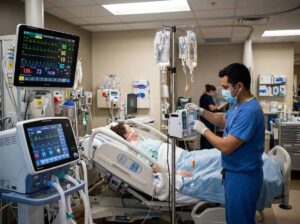
What are the compliance requirements for hospital equipment maintenance?
Hospitals must follow strict maintenance standards set by regulatory bodies such as The Joint Commission and FDA guidelines. These require:
- Regular preventive maintenance schedules
- Documented inspection records
- Safety testing logs
- Equipment performance verification
Failure to comply can affect hospital accreditation.
What is the difference between preventive maintenance and emergency repair?
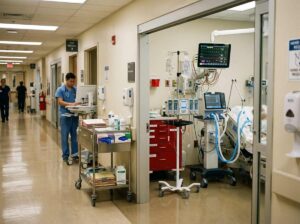
Preventive maintenance is planned servicing done before problems occur. Emergency repair happens after equipment breaks.
Preventive maintenance helps hospitals:
- Avoid unexpected downtime
- Extend equipment lifespan
- Reduce long-term costs
Emergency repairs are often more expensive and disruptive to patient care.
Defibrillator vs Pacemaker Maintenance
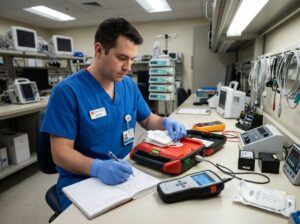
What is a defibrillator and how is it maintained?
A defibrillator is an emergency device used to restore normal heart rhythm during cardiac arrest. It must always be ready for immediate use, especially when compared in discussions like defibrillator vs pacemaker, since both relate to heart rhythm management but serve very different purposes.
Maintenance includes:
- Battery checks and replacement
- Shock delivery testing
- Pad and cable inspection
- Readiness indicator checks
- Routine self-test verification
Hospitals typically inspect defibrillators weekly or monthly depending on usage risk.
What is a pacemaker and how is it maintained?
A pacemaker is an implantable device that helps regulate heart rhythm inside a patient’s body. It works continuously without manual intervention.
Maintenance includes:
- Device interrogation (data checks)
- Battery life monitoring
- Lead performance evaluation
- Regular patient follow-ups
Pacemakers are maintained through clinical monitoring rather than physical servicing.
What is the difference between defibrillator and pacemaker maintenance?
When comparing defibrillator vs pacemaker, the key difference is how they are managed:
- Defibrillators require physical, frequent readiness checks in hospitals
- Pacemakers require long-term monitoring through patient data systems
- Defibrillators are hospital equipment
- Pacemakers are implanted medical devices
Understanding this difference helps hospitals reduce errors in maintenance planning.
Why is it important for hospitals to understand this difference?
If hospitals treat both devices the same, it can lead to:
- Missed maintenance schedules
- Over-servicing or under-servicing equipment
- Higher operational costs
- Increased risk during cardiac emergencies
Proper classification improves patient safety and operational efficiency.
What are the risks of poor maintenance in cardiac equipment?
Poor maintenance can lead to:
- Defibrillators failing during emergencies
- Incorrect heart rhythm readings
- Battery failure in critical moments
- Delayed emergency response
Many hospitals only discover these issues during audits, not during actual patient care, which highlights the importance of preventive maintenance systems.
What is preventive maintenance for hospital cardiac equipment?
Preventive maintenance is a structured service program that ensures medical devices remain safe, accurate, and ready for use at all times.
It is especially important for high-risk devices like defibrillators used in emergency response situations.
What does preventive maintenance include for biomedical equipment?
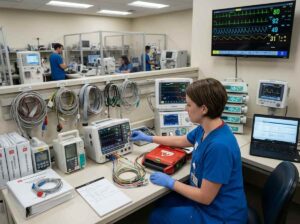
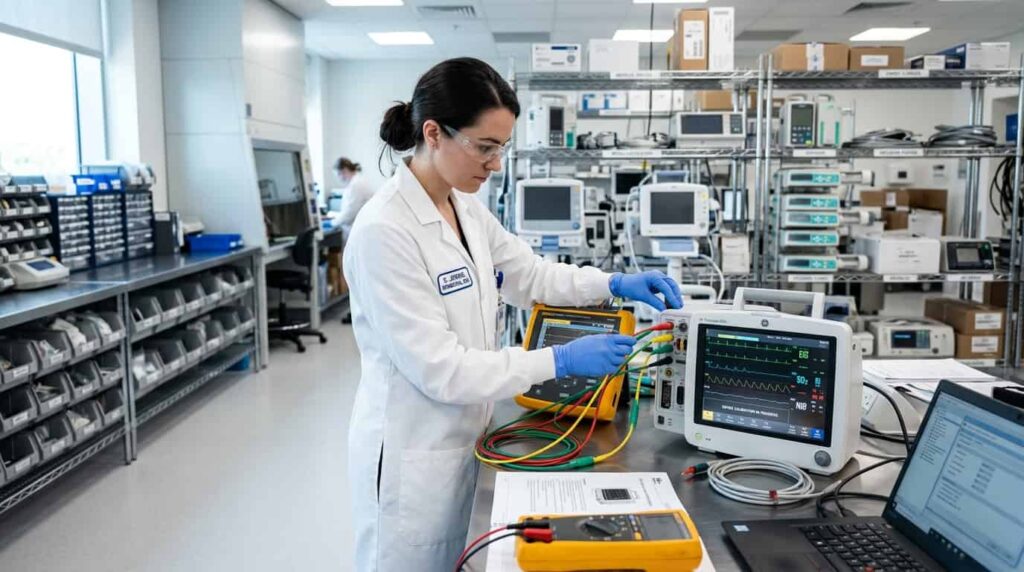
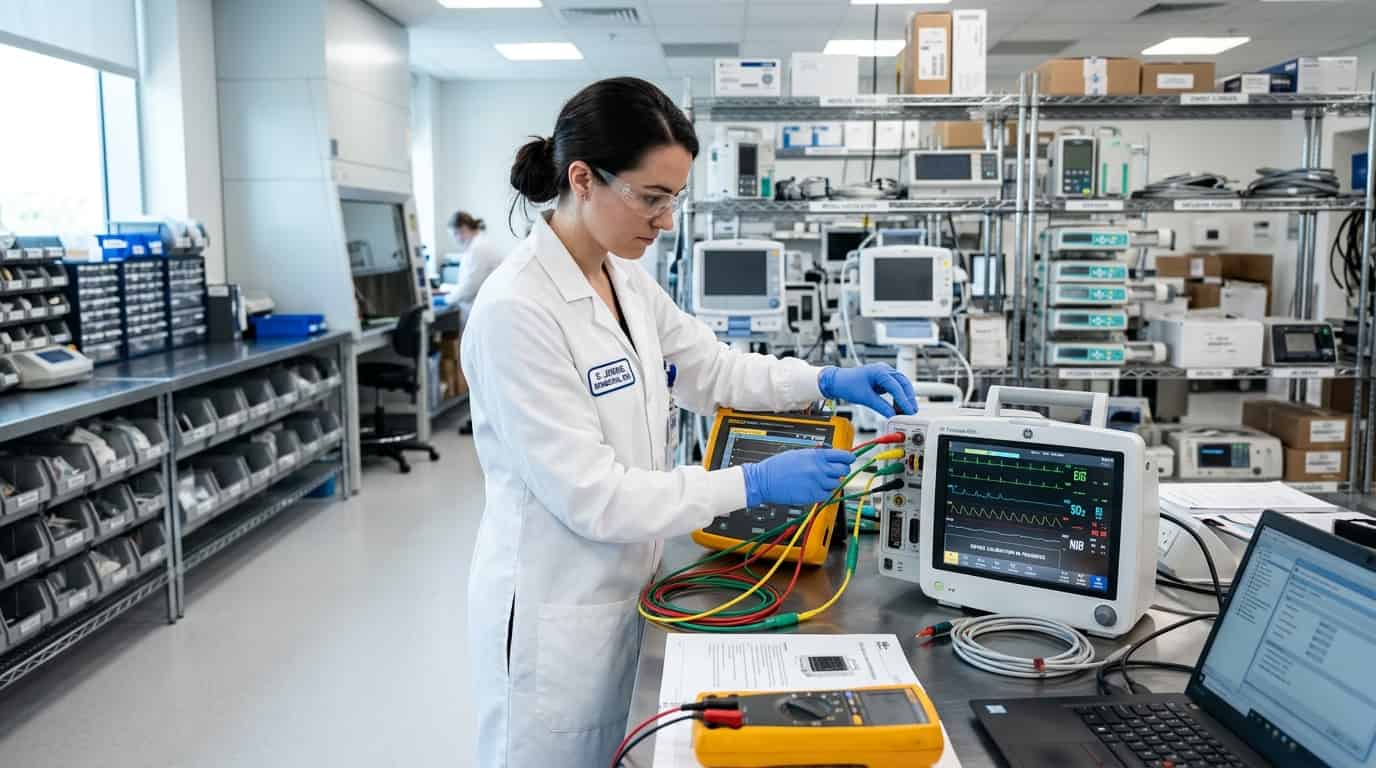
Preventive maintenance typically includes:
- Electrical safety testing
- Performance and functionality checks
- Calibration and verification
- Battery inspection and replacement
- Maintenance documentation for compliance
These steps ensure equipment meets hospital safety standards.
Why do hospitals outsource biomedical equipment maintenance services?
Hospitals outsource maintenance because it:
- Reduces equipment downtime
- Improves compliance readiness
- Ensures expert-level servicing
- Provides predictable maintenance scheduling
It also allows hospital staff to focus more on patient care instead of technical troubleshooting.
How does Syracuse Biomedical Services support hospitals?
Syracuse Biomedical Services provides structured biomedical equipment maintenance solutions designed for hospitals and healthcare facilities.
Support includes:
- Preventive maintenance programs
- Fast technical response support
- Compliance-ready documentation
- Equipment testing and inspection services
This helps hospitals ensure critical devices like defibrillators remain fully operational and safe.
How can hospitals improve medical device reliability today?
Hospitals can improve reliability by:
- Implementing preventive maintenance schedules
- Tracking device performance logs
- Conducting regular inspections
- Partnering with certified biomedical service providers
These steps reduce failure risks and improve patient outcomes.
Why is maintenance of defibrillators and pacemakers so important?
Maintenance ensures that both defibrillators and pacemakers function correctly when needed. Defibrillators must be ready for immediate emergency use, while pacemakers must be continuously monitored for long-term heart support.
Without proper maintenance, hospitals risk equipment failure, patient safety issues, and compliance violations.
Call to Action
If your hospital or healthcare facility needs reliable biomedical equipment support, Syracuse Biomedical Services offers professional preventive maintenance, compliance inspections, and full equipment servicing.
Contact Syracuse Biomedical Services today to schedule a consultation and ensure your critical medical equipment is always safe, accurate, and ready for patient care.
For more information about biomedical equipment, you may check the following links:
- A Simple Guide to Understanding Sphygmomanometer Parts
- CT Scan Cost Explained: With and Without Insurance
- How Remote Patients Monitoring Devices Improve Patient Care
- Restrictions While Wearing A Holter Monitor
- How Much Do X Rays Cost Without Insurance? What to Expect in 2026