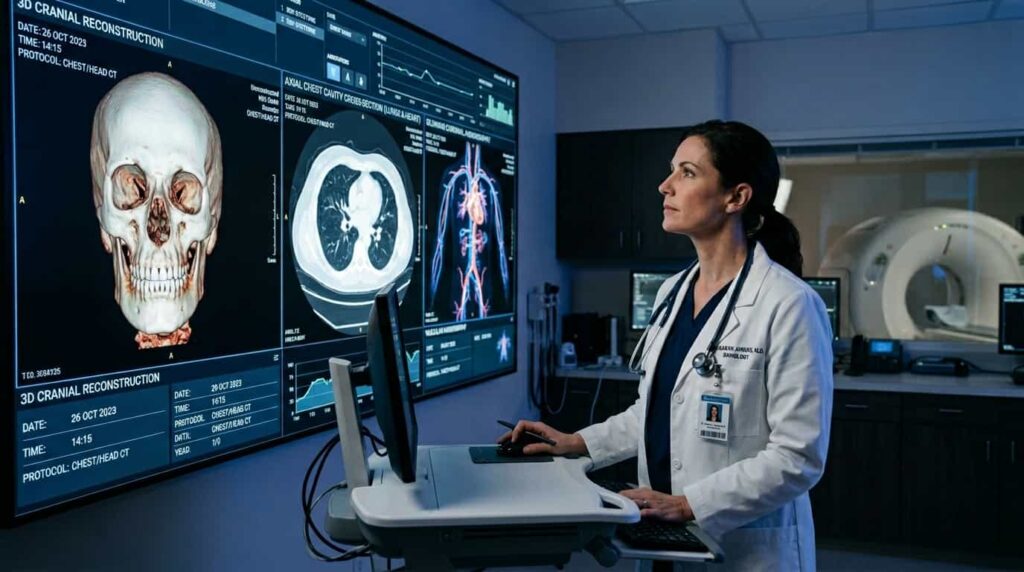
In every hospital, medical surgical equipment plays a critical role in patient care. From operating rooms to emergency units, these devices must work without failure. But what happens when a machine stops working—or starts showing signs of decline?
Healthcare teams are often faced with a difficult question: should we repair it or replace it?
Making the wrong choice can lead to higher costs, longer downtime, and even patient safety risks. This guide breaks down the real causes of equipment failure, how to make the right decision, and when to involve biomedical experts for support.
Understanding Why Equipment Fails in Clinical Settings
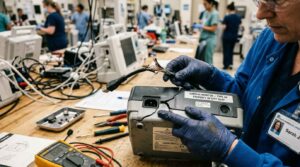
Common Causes of Medical Equipment Failure in Clinical Settings
Most people assume medical devices fail suddenly. In reality, most failures develop over time due to stress, wear, and lack of maintenance.
In busy hospitals, medical surgical equipment runs almost nonstop. Devices are used across multiple shifts, cleaned frequently, and moved between departments. This constant demand increases the chance of breakdown.
Why medical surgical equipment fails more often than expected
Several common reasons include:
- Continuous use without rest cycles
- Frequent movement between departments
- Power fluctuations in clinical environments
- Overworked equipment during emergencies
According to the World Health Organization, up to 50% of medical equipment in low-resource settings is not fully usable due to lack of maintenance or improper use (WHO, 2017). While hospitals in developed systems are better equipped, maintenance gaps still remain a major issue globally.
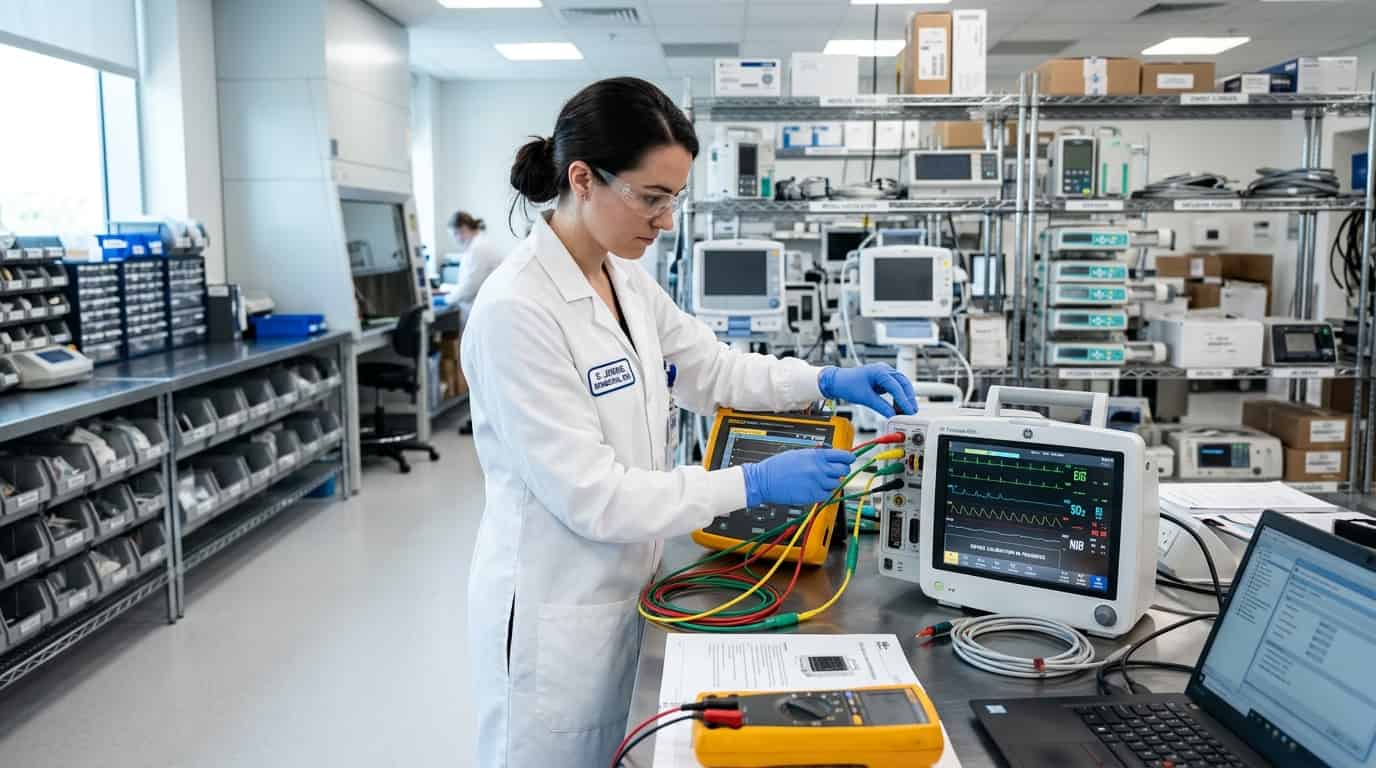
Electrical, mechanical, and calibration issues
Most failures fall into three categories:
| Failure Type | Description |
| Electrical Failures | These include circuit damage, sensor issues, or unstable power supply that affects equipment performance and may cause sudden device shutdowns or inaccurate readings. |
| Mechanical Failures | These occur when moving components such as pumps, valves, gears, or motors wear down over time due to continuous use, leading to reduced efficiency or complete malfunction. |
| Calibration Drift | Even minor measurement inaccuracies in diagnostic or monitoring equipment can lead to incorrect readings, affecting clinical decisions and patient safety if not corrected promptly. |
These issues often start small but grow if not addressed early.
Poor maintenance practices increase risk
A major cause of failure is simply missed maintenance. Hospitals sometimes delay servicing due to staffing shortages or tight schedules.
Common problems include:
- Missed preventive maintenance schedules
- Lack of trained biomedical technicians
- Improper cleaning methods
- Delayed repair reporting
Studies in clinical engineering and healthcare technology management consistently show that preventive maintenance improves medical equipment reliability, reduces failure rates, and extends operational lifespan by addressing wear and performance degradation before breakdown occurs (World Health Organization, 2011; Saleh et al., 2015; Zamzam et al., 2021).
Environmental stress in hospitals
Hospitals are harsh environments for equipment. Devices are exposed to:
- Constant cleaning chemicals
- High humidity in ICUs and recovery rooms
- Dust during storage or transport
- 24/7 operation cycles
Over time, these conditions weaken medical surgical equipment, even if the damage is not immediately visible.
When Should You Repair or Replace Medical Surgical Equipment?
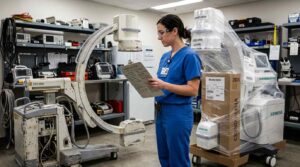
Understanding lifecycle limits of medical surgical equipment
Every medical device has a lifecycle. It goes through installation, active use, maintenance, and eventual end-of-life.
Manufacturers usually provide expected lifespan guidelines. However, real-world usage in hospitals often shortens this timeline.
In high-demand environments, devices may reach wear limits faster than expected due to continuous use.
Repair vs replacement: key decision factors

Choosing between repair and replacement is not always simple. Hospital teams should evaluate:
- Total repair cost over time
- Risk of repeated breakdowns
- Availability of replacement parts
- Downtime impact on patient care
- Safety and compliance requirements
For example, if medical surgical equipment repeatedly fails during critical procedures, the risk may outweigh repair savings.
Risk indicators that replacement is the better choice
Replacement is often necessary when:
- Equipment fails multiple times in a short period
- Calibration cannot be stabilized
- Parts are discontinued or hard to source
- Technology is outdated and unsupported
A study on hospital asset management highlights that aging equipment often leads to increased maintenance costs and reduced clinical efficiency over time (ECRI Institute, 2022).
In these cases, continuing repairs may not be financially or clinically responsible.
When repair is still the best option
Repair is usually the smarter choice when:
- The device is relatively new
- The issue is isolated (like a sensor or cable failure)
- Spare parts are available
- Performance can be fully restored
Proper repair can extend the life of medical surgical equipment and delay large capital expenses.
Compliance and patient safety considerations
Healthcare facilities must follow strict safety and regulatory rules. Equipment must meet standards for:
- Electrical safety
- Sterility and infection control
- Performance accuracy
If a device cannot meet compliance standards after repair, replacement becomes necessary to protect patients and avoid regulatory risk.
Get Expert Repair vs Replacement Consultation

Why professional evaluation matters
At this stage, hospitals need expert guidance. Making decisions based only on cost can lead to unsafe outcomes or unnecessary spending.
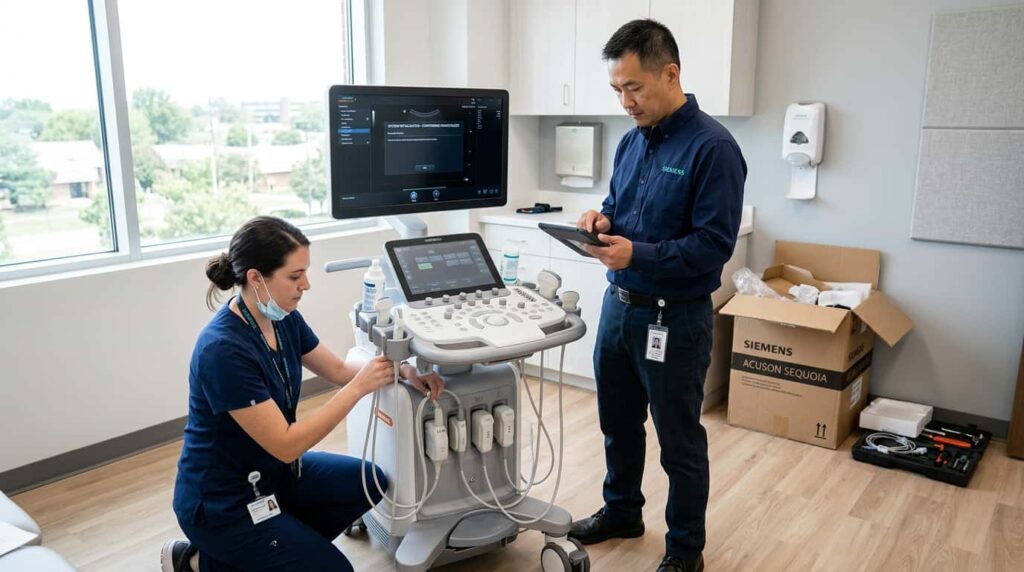
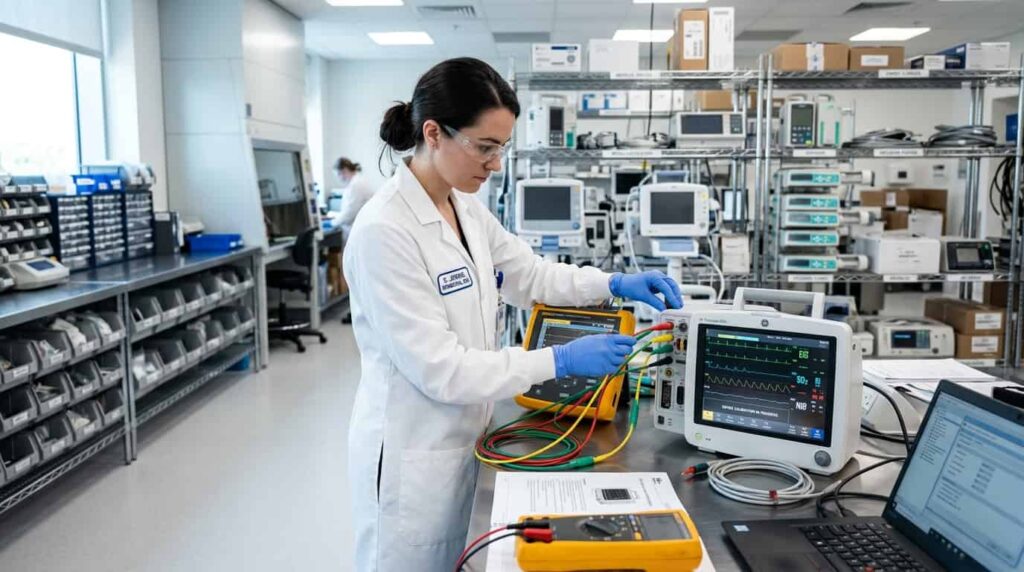
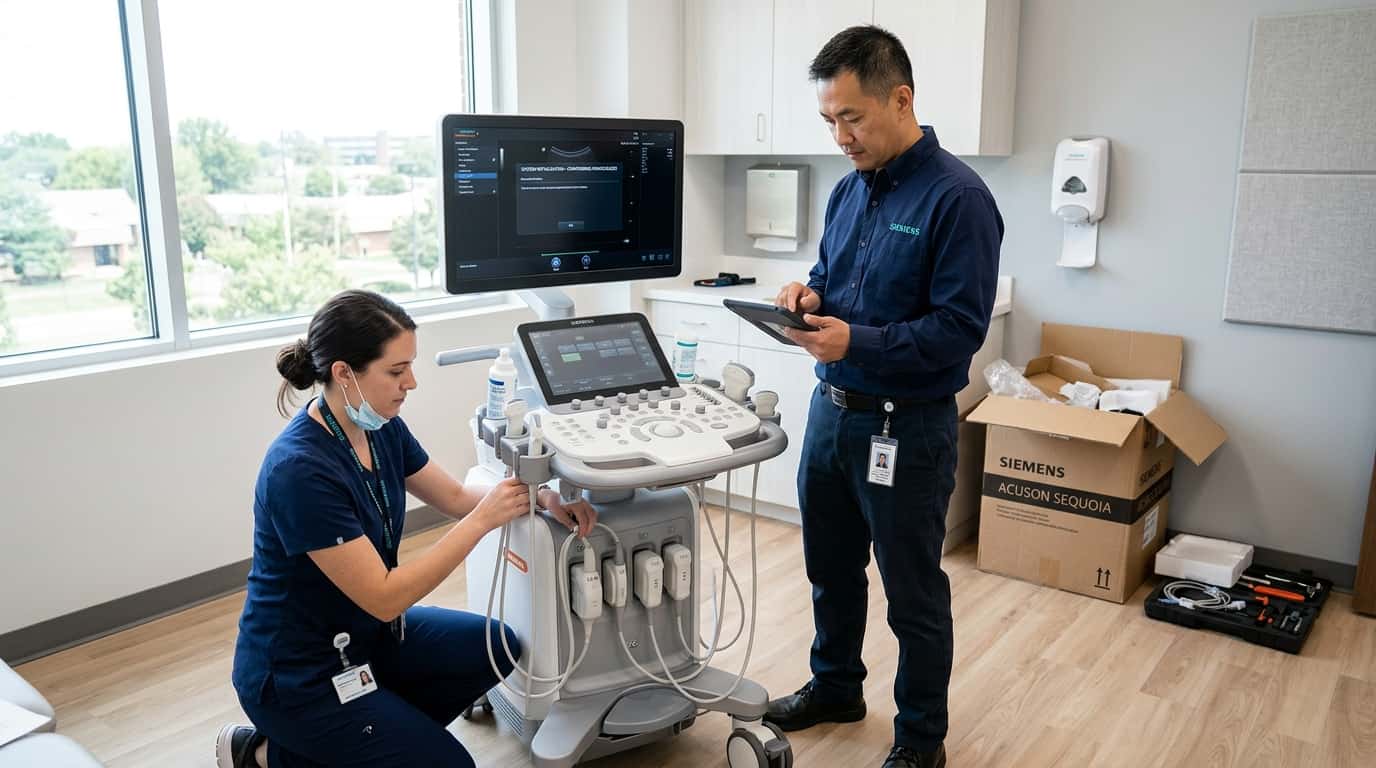
Biomedical specialists help determine the real condition of medical surgical equipment using diagnostic tools and technical expertise.
This ensures decisions are based on facts, not assumptions.
What a biomedical evaluation includes
A professional assessment typically covers:
- Full system diagnostics
- Performance testing under real conditions
- Maintenance history review
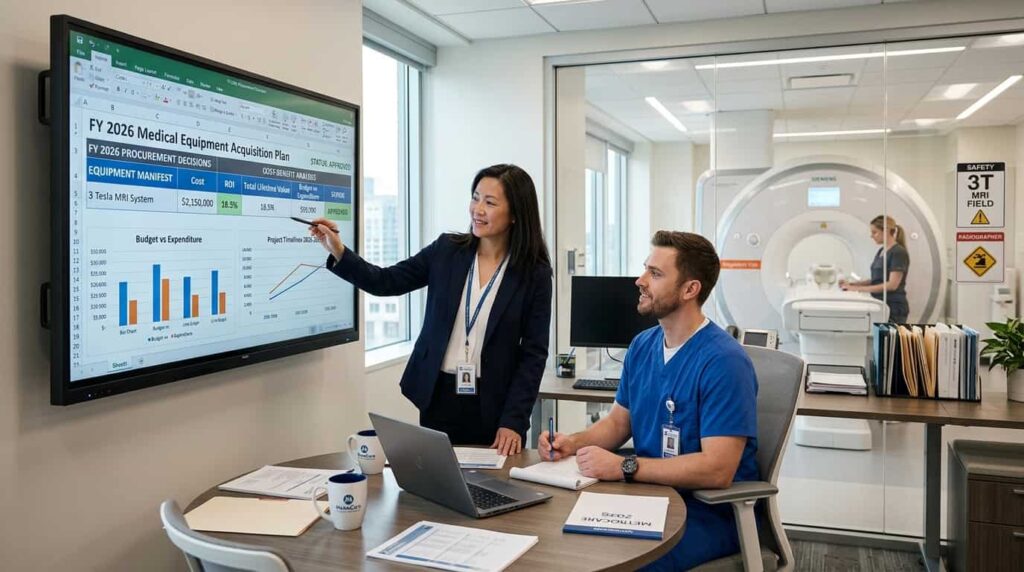
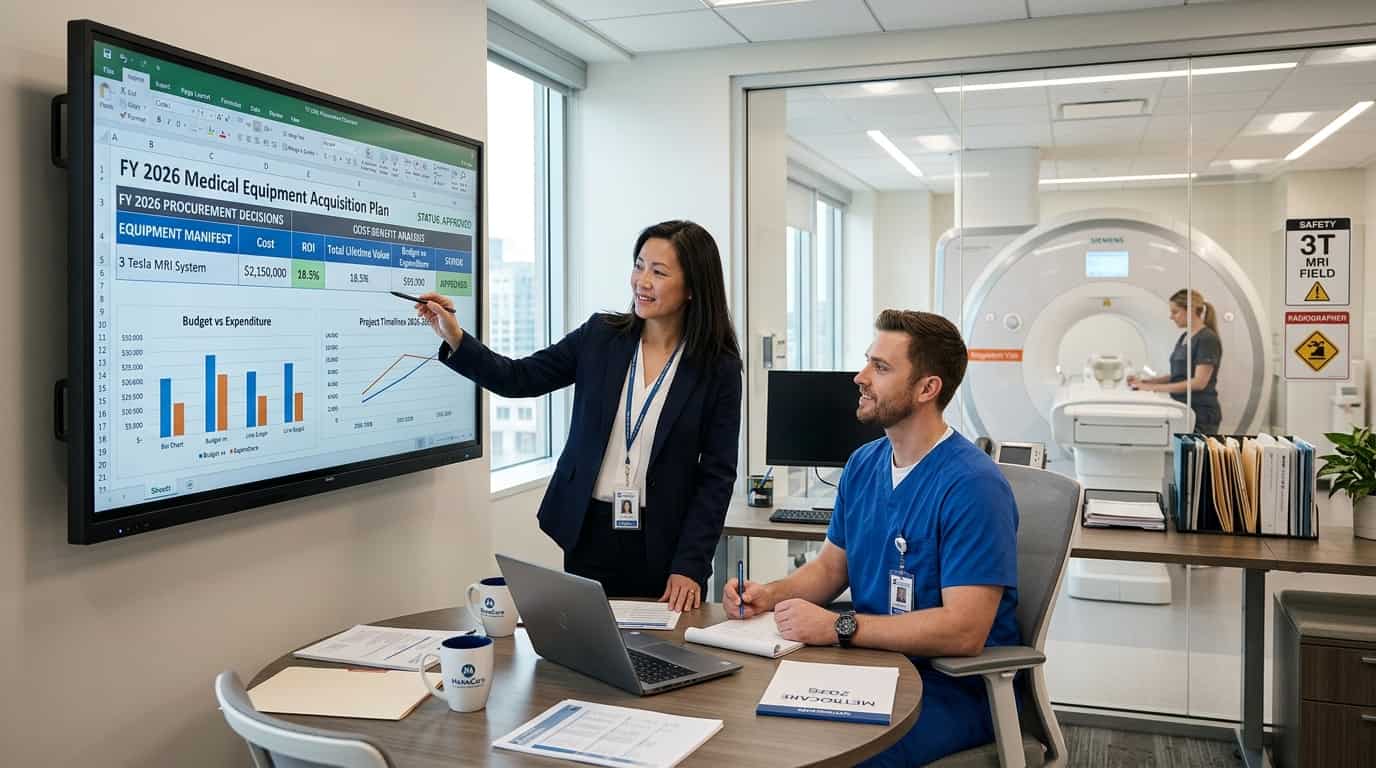
- Cost comparison between repair and replacement
- Risk and compliance evaluation
This structured process helps hospital administrators make clear, data-driven decisions.
How expert services reduce downtime
Working with experienced biomedical service providers helps hospitals:
- Reduce unexpected equipment failures
- Improve operating room efficiency
- Extend equipment lifespan
- Maintain compliance readiness
For healthcare facilities, even a few hours of downtime can delay procedures and affect patient outcomes.
Final decision support for healthcare teams
The repair vs replacement decision impacts:
- Budget planning
- Patient safety
- Regulatory compliance
- Operational efficiency
That is why many healthcare facilities rely on expert partners like Syracuse Biomedical Services to guide these critical decisions.
Their team helps hospitals evaluate equipment properly and choose the safest, most cost-effective path forward.
Final Thoughts
Medical surgical equipment is the backbone of modern healthcare. When it fails, the decision to repair or replace it should never be rushed.
By understanding common failure causes, evaluating lifecycle risks, and involving biomedical experts early, hospitals can reduce downtime and improve patient safety.
If your facility is unsure about the condition of its equipment, professional evaluation is the safest next step.
Call to Action
If you need expert help deciding whether to repair or replace critical hospital equipment, connect with Syracuse Biomedical Services today.
Their biomedical specialists provide trusted evaluation, repair support, and long-term maintenance solutions designed to keep your medical surgical equipment running safely and efficiently.