Kidney dialysis machines play a critical role in patient care. When one machine goes down, treatment schedules can be delayed, staff workflows become disrupted, and patient safety concerns increase quickly. In busy hospitals and dialysis centers, even a short period of downtime can create major operational challenges.
That is why healthcare facilities depend on reliable biomedical equipment service programs to keep dialysis systems running safely and efficiently. From preventive maintenance to emergency repairs, proper support helps reduce unexpected breakdowns and extends equipment life.
In this guide, we will explain the most common causes of dialysis equipment failure in hospitals, walk through a practical kidney dialysis machine troubleshooting process for biomedical technicians, and show when it is time to call certified repair professionals.
Understanding How Kidney Dialysis Machines Work
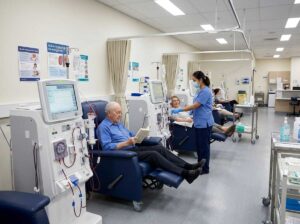
A kidney dialysis machine removes waste, extra fluid, and toxins from a patient’s blood when the kidneys can no longer perform these functions naturally. These systems rely on several connected components working together with precision.
Key parts include:
- Blood pump systems
- Dialysate delivery systems
- Pressure monitors
- Conductivity sensors
- Air detection systems
- Water purification connections
If one component fails, the entire treatment process can be interrupted. Because these machines are patient-critical devices, regular inspections and timely repairs are essential.
According to the U.S. Food and Drug Administration (FDA), dialysis systems require ongoing maintenance and monitoring to help reduce treatment risks and equipment-related incidents (FDA, 2024).
Common Causes of Dialysis Equipment Failure in Hospitals
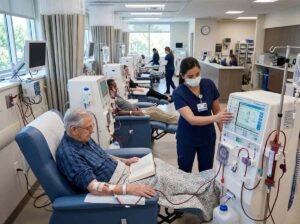
Poor Water Quality and Fluid Contamination
One of the most common causes of kidney dialysis machine failure is poor water quality. Dialysis equipment depends heavily on purified water to create a safe dialysate solution. If the reverse osmosis system is not maintained correctly, mineral buildup and contamination can damage internal components.
Biomedical technicians often find:
- Blocked tubing
- Conductivity sensor errors
- Internal scaling
- Flow restrictions
Routine inspection of water treatment systems helps prevent these issues before they affect patient care.
Electrical Problems and Power Fluctuations
Hospitals rely on stable electrical systems, but older facilities sometimes experience grounding issues or inconsistent voltage. Power surges can damage sensitive circuit boards and trigger machine alarms.
Common electrical issues include:
- Loose power connections
- Worn cables
- Damaged power supplies
- Failed circuit boards
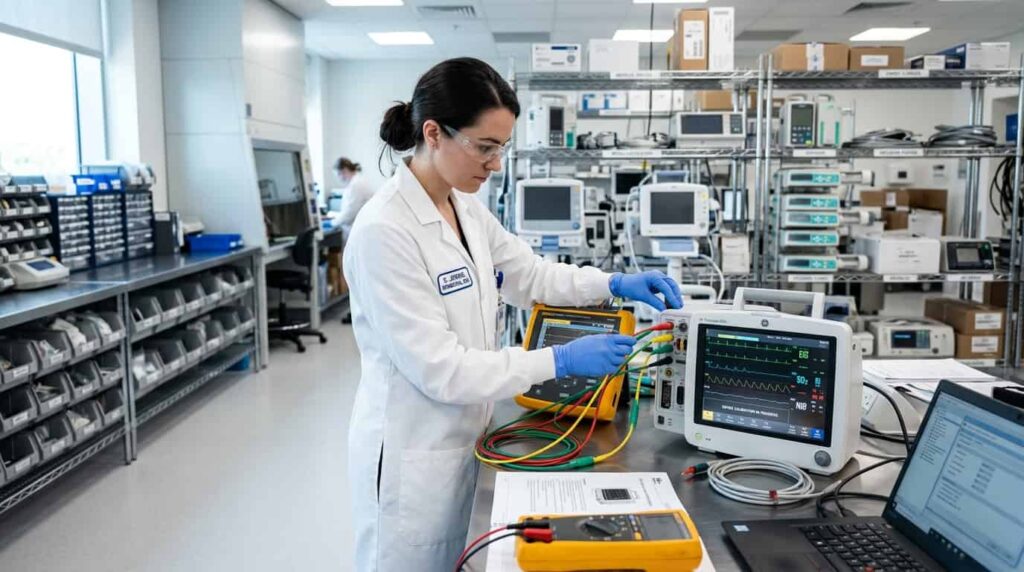
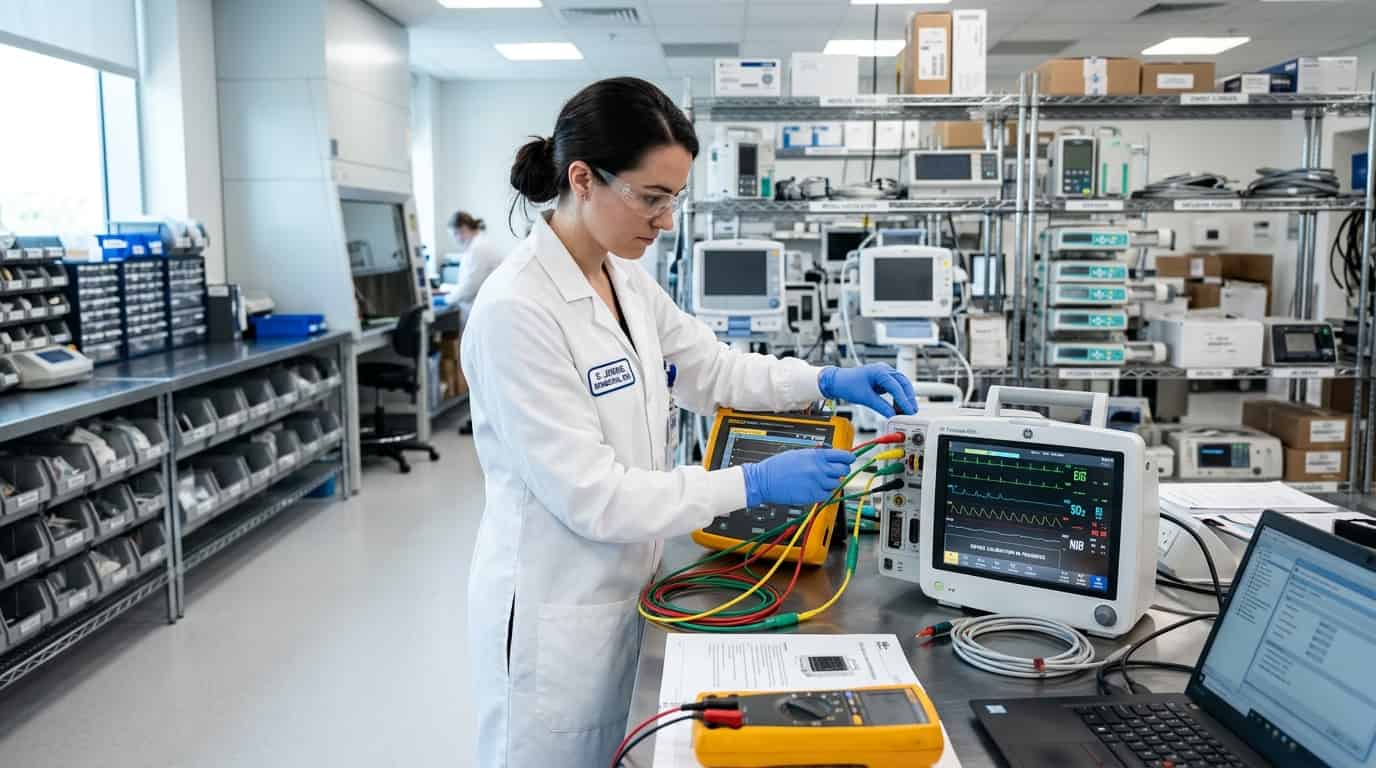
Certified biomedical technicians use specialized testing equipment to verify electrical safety and system performance during inspections.
Sensor Calibration Drift
Dialysis machines use multiple sensors to monitor pressure, temperature, and fluid conductivity. Over time, these sensors may lose accuracy.
When calibration drifts outside acceptable ranges, machines may display false alarms or incorrect treatment data. This can lead to unnecessary downtime or patient safety concerns.
The Association for the Advancement of Medical Instrumentation (AAMI) recommends routine calibration verification as part of preventive maintenance programs for dialysis equipment (AAMI, 2023).
Delayed Preventive Maintenance
Preventive maintenance is one of the most effective ways to reduce emergency dialysis machine repairs. Unfortunately, busy healthcare facilities sometimes postpone scheduled inspections due to staffing or budget pressures.
Delayed maintenance can lead to:
- Pump wear
- Internal leaks
- Sensor failure
- Increased alarm conditions
Facilities that follow routine biomedical service schedules usually experience fewer unexpected equipment failures.
Operator Misuse and Workflow Errors
Not all dialysis machine problems come from hardware failure. Incorrect cleaning procedures, improper setup, and rushed shutdown processes can also damage equipment.
Staff training plays an important role in keeping machines operating correctly. Clear procedures and regular refresher training help reduce avoidable service calls.
Warning Signs a Kidney Dialysis Machine Needs Service
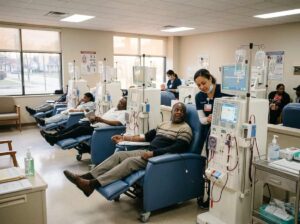
Many dialysis machine failures start with small warning signs that grow worse over time.
Frequent Alarm Conditions
Recurring alarms related to pressure imbalance, conductivity, or air detection should never be ignored. Repeated alarms often point to deeper mechanical or sensor issues.
Reduced Flow Performance
Slower fluid movement may indicate:
- Worn pumps
- Tubing restrictions
- Valve problems
Biomedical teams should investigate reduced flow rates immediately to avoid treatment interruptions.
Visible Leaks or Corrosion
Routine inspections should include checking for:
- Fluid residue
- Corrosion
- Cracked tubing
- Loose fittings
Even minor leaks can eventually lead to larger system failures.
Inconsistent Treatment Data
When treatment readings become inconsistent, the problem may involve calibration drift, sensor failure, or software communication issues.
Kidney Dialysis Machine Troubleshooting Guide for Biomedical Technicians
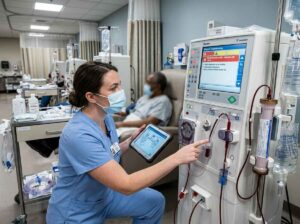
Biomedical technicians follow a structured process to diagnose dialysis equipment safely and efficiently.
Start with a Full Visual Inspection
The first step is always a complete visual inspection. Technicians check:
- Power connections
- Tubing integrity
- Filters
- Fluid lines
- External damage
Simple visual checks often reveal obvious causes of failure before advanced diagnostics are needed.
Review Alarm Codes and Error Logs
Modern kidney dialysis machines store alarm histories and diagnostic logs. Reviewing this information helps technicians identify recurring faults and system patterns.
Common alerts include:
- Pressure alarms
- Conductivity warnings
- Temperature deviations
- Communication errors
Understanding these codes helps isolate the root cause faster.
Isolate Mechanical vs Electronic Failures
Technicians must determine whether the issue comes from:
- Mechanical systems like pumps and valves
- Electronic systems such as sensors or circuit boards
Intermittent problems can be especially difficult. In many service calls, a machine may appear functional during testing but fail again during patient treatment. Experienced biomedical professionals know how to identify these hidden issues.
Test Calibration and Sensor Accuracy
Calibration testing confirms whether sensors remain within manufacturer tolerances. Sometimes recalibration solves the issue. In other cases, components must be replaced.
Using OEM-compatible replacement parts helps maintain compliance and long-term reliability.
Verify Water Treatment Integration
Because dialysis machines depend on purified water, technicians also inspect:
- Reverse osmosis systems
- Water pressure
- Conductivity consistency
Water treatment problems often affect multiple machines at once, making this an important troubleshooting step.
Preventive Maintenance Best Practices for Dialysis Equipment
Preventive maintenance programs help hospitals reduce downtime and avoid emergency repair costs.
A strong maintenance plan should include:
- Daily equipment checks
- Scheduled inspections
- Calibration verification
- Electrical safety testing
- Performance testing
Research published by the Centers for Disease Control and Prevention (CDC) shows that proper dialysis equipment maintenance supports safer patient outcomes and infection control practices (CDC, 2024).
Facilities that invest in preventive biomedical equipment service often extend equipment lifespan and reduce long-term operational costs.
Fast Kidney Dialysis Machine Repair Services with Certified Biomedical Experts
When dialysis equipment fails unexpectedly, fast response times matter. Delayed repairs can disrupt treatment schedules and place additional stress on healthcare staff.
Syracuse Biomedical Services supports hospitals, clinics, and dialysis centers throughout Syracuse and surrounding areas with professional biomedical equipment repair and maintenance services.
What Certified Biomedical Repair Services Include
Professional dialysis equipment repair services typically include:
- On-site diagnostics
- Electrical testing
- Sensor calibration
- Component replacement
- Functional verification
- Compliance documentation
Experienced biomedical technicians understand the urgency of restoring patient-critical equipment quickly and safely.
Emergency Dialysis Machine Repair Support
Emergency repair services help healthcare facilities minimize downtime during unexpected failures. Rapid-response support allows technicians to diagnose issues quickly and return machines to service as soon as possible.
For facilities managing multiple dialysis patients each day, reliable repair support can make a significant operational difference.
Long-Term Service Contracts for Healthcare Facilities
Many hospitals choose preventive maintenance agreements to reduce emergency breakdowns and improve equipment reliability.
These service programs help facilities:
- Stay compliant
- Plan maintenance budgets
- Reduce repeat failures
- Extend equipment lifespan
Working with a trusted biomedical service provider also gives healthcare teams peace of mind knowing experienced support is available when needed.
Conclusion
Kidney dialysis machines are essential to patient care, and even minor equipment issues can create serious operational challenges for hospitals and dialysis centers. Understanding the common causes of dialysis equipment failure helps healthcare facilities reduce downtime, improve safety, and protect equipment performance.
Through preventive maintenance, structured troubleshooting, and fast repair support, biomedical teams can keep dialysis systems operating reliably.
If your healthcare facility is experiencing recurring alarms, inconsistent machine performance, or unexpected downtime, Syracuse Biomedical Services provides trusted biomedical equipment support throughout the Syracuse region.
Contact Syracuse Biomedical Services
Need professional kidney dialysis machine diagnostics, maintenance, or repair services?
Contact Syracuse Biomedical Services today to schedule:
- Preventive maintenance
- Emergency repair support
- Equipment diagnostics
- Biomedical service consultations
Reliable dialysis equipment starts with experienced biomedical support.