If your doctor has ordered a CT scan, one of the first questions you may ask is, “How long does a CT scan take?” It is a common concern for patients who want to understand what to expect before arriving for their appointment.
The good news is that most CT scans are relatively quick. In many cases, the scan itself takes only a few minutes. However, the total appointment time can range from 10 to 30 minutes or longer depending on the type of exam, preparation requirements, and whether contrast material is used.
Understanding the CT imaging process can help reduce anxiety and make the experience smoother. For healthcare facilities, efficient CT imaging depends not only on skilled staff but also on reliable equipment performance and preventive maintenance.
How Long Does a CT Scan Take?
Most CT scan appointments take between 10 and 30 minutes. The actual imaging portion often lasts less than 10 minutes, while preparation, positioning, and post-scan procedures account for the remaining time.
Factors that affect CT scan duration include:
- The body area being examined
- Whether contrast dye is required
- Patient mobility and medical condition
- Imaging protocol complexity
- Equipment performance and availability
MedlinePlus notes that most CT scans can be completed within minutes, making CT an important tool for quickly evaluating conditions such as trauma, stroke, internal bleeding, and other urgent medical concerns (MedlinePlus, 2024).
How Long Does a CT Scan Take? A Beginner’s Guide to the Entire Imaging Process
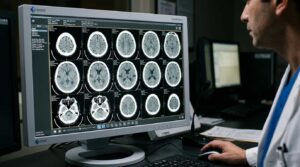
What Is a CT Scan and How Does It Work?
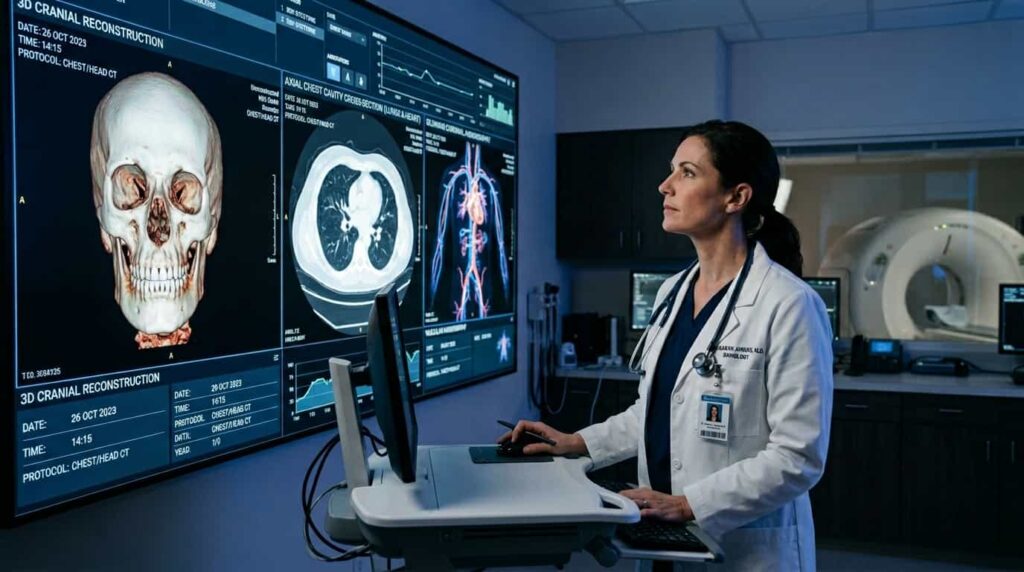
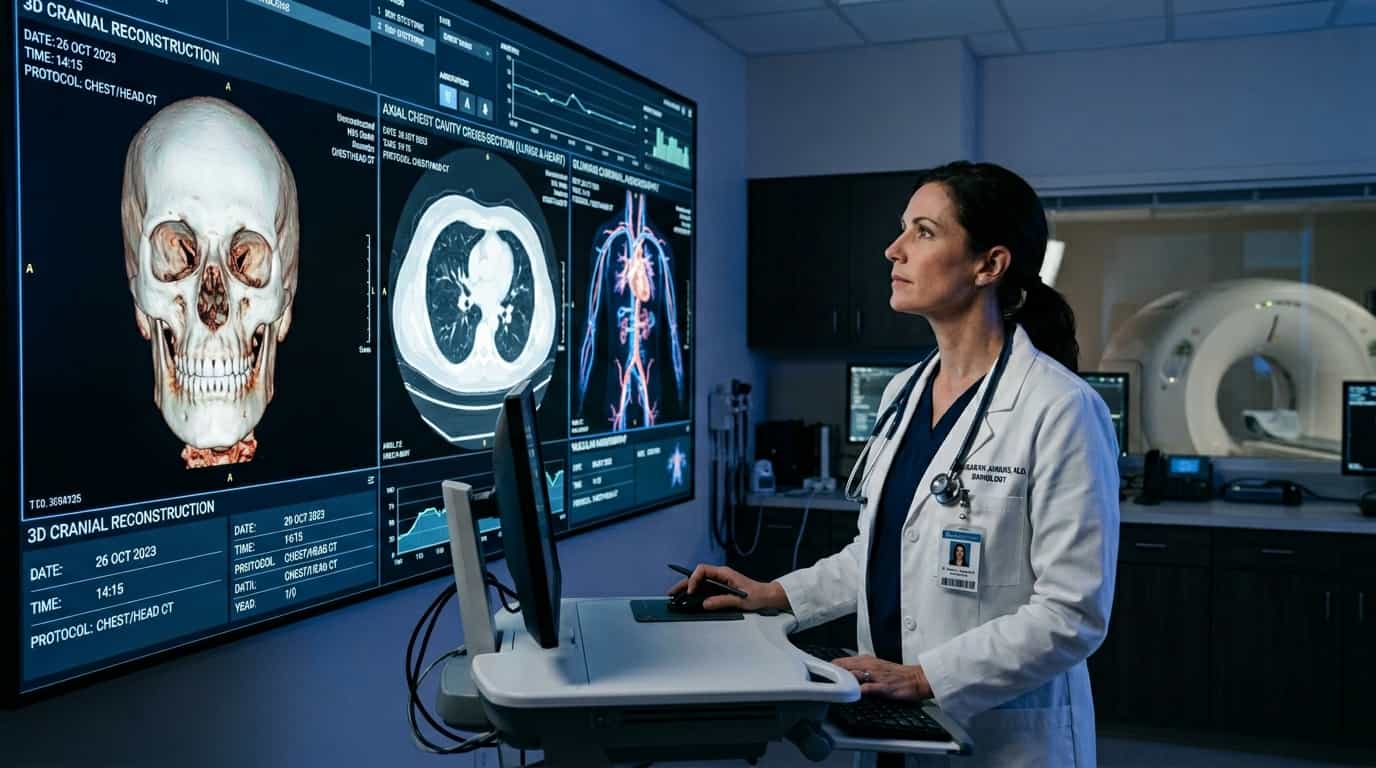
A CT (Computed Tomography) scan combines multiple X-ray images to create detailed cross-sectional pictures of the body’s internal structures.
Healthcare providers use CT scans to diagnose a wide range of conditions, including:
- Head injuries
- Stroke
- Cancer
- Lung disease
- Internal bleeding
- Bone fractures
Modern CT scanners use advanced imaging technology to capture detailed images quickly and accurately. Many newer systems can scan large sections of the body within seconds, helping physicians make faster clinical decisions.
Step-by-Step Timeline of a Typical CT Scan Appointment
Understanding the process helps patients know what to expect.
| Step | Stage | Description | Estimated Time |
| 1 | Check-In and Registration | Patients arrive and complete any required paperwork and verify medical information. | 5–10 minutes |
| 2 | Preparation | Patients may change into a gown and remove jewelry, glasses, or metal objects that can affect imaging. | 5 minutes |
| 3 | Contrast Administration (If Needed) | Oral or IV contrast may be given to improve visibility of organs, blood vessels, or tissues. Timing varies by exam type. | 10–30 minutes |
| 4 | Positioning on the Scanner | The technologist carefully positions the patient on the CT table for accurate imaging. | 2–5 minutes |
| 5 | Image Acquisition | The CT scanner captures detailed cross-sectional images. The scan itself is usually very quick. | 5–10 minutes |
| 6 | Completion and Review | The technologist checks image quality to ensure the scan is complete before the patient leaves. | 5 minutes |
Factors That Can Affect CT Scan Duration
Several factors can increase or decrease appointment length.
These include:
- Scan complexity
- Body region being examined
- Need for contrast material
- Patient cooperation
- Emergency imaging requirements
- Scanner efficiency
In our experience working with healthcare facilities, equipment performance often plays an overlooked role in maintaining efficient imaging workflows. Even minor equipment issues can affect patient scheduling and throughput.
How Long Does a CT Scan Take From Arrival to Results?
Many patients confuse scan time with result time.
While the scan itself may be completed within minutes, image interpretation typically requires review by a radiologist.
Results may be available:
- Within hours for emergency cases
- Within 24–48 hours for routine exams
- Longer for highly specialized studies
How Long Does a CT Scan Take for Different Types of Medical Exams?

Not all CT scans require the same amount of time.
How Long Does a Head CT Scan Take?
Head CT scans are among the fastest imaging studies.
Common uses include:
- Stroke evaluation
- Head trauma
- Neurological symptoms
Average appointment time: 10–20 minutes
How Long Does a Chest CT Scan Take?
Chest CT exams help evaluate the lungs, heart, and surrounding structures.
These studies may require breath-holding instructions and specific imaging protocols.
Average appointment time: 15–30 minutes
How Long Does an Abdominal or Pelvic CT Scan Take?
Abdominal and pelvic studies often require more preparation than other CT exams.
These scans help evaluate:
- Digestive organs
- Kidneys
- Liver
- Cancer-related conditions
Average appointment time: 20–45 minutes
How Long Does a CT Scan Take With Contrast?
Contrast-enhanced CT scans usually take longer than standard exams.
Additional time may be needed for:
- IV placement
- Oral contrast preparation
- Monitoring after contrast administration
Average appointment time: 30–60 minutes
Why Do Some CT Scans Take Longer Than Others?
The answer often depends on clinical requirements.
Factors include:
- Multiple body areas being scanned
- Specialized imaging protocols
- Patient condition
- Need for repeated image acquisition
- Equipment capabilities
The American College of Radiology explains that CT imaging protocols are selected based on the patient’s specific clinical condition and the diagnostic information needed, helping healthcare providers obtain the most appropriate images for diagnosis (American College of Radiology, 2024).
The Hidden Factor Behind Faster CT Imaging: Equipment Performance and Reliability
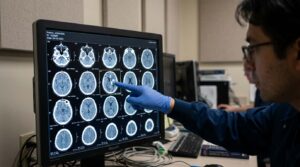
Many patients assume scan speed depends entirely on technology or staff. In reality, equipment reliability is equally important.
How Modern CT Technology Improves Scan Speed
Today’s advanced CT systems offer:
- Faster image acquisition
- Improved image reconstruction
- Enhanced workflow automation
- Reduced motion artifacts
These innovations help improve patient throughput while maintaining diagnostic quality.
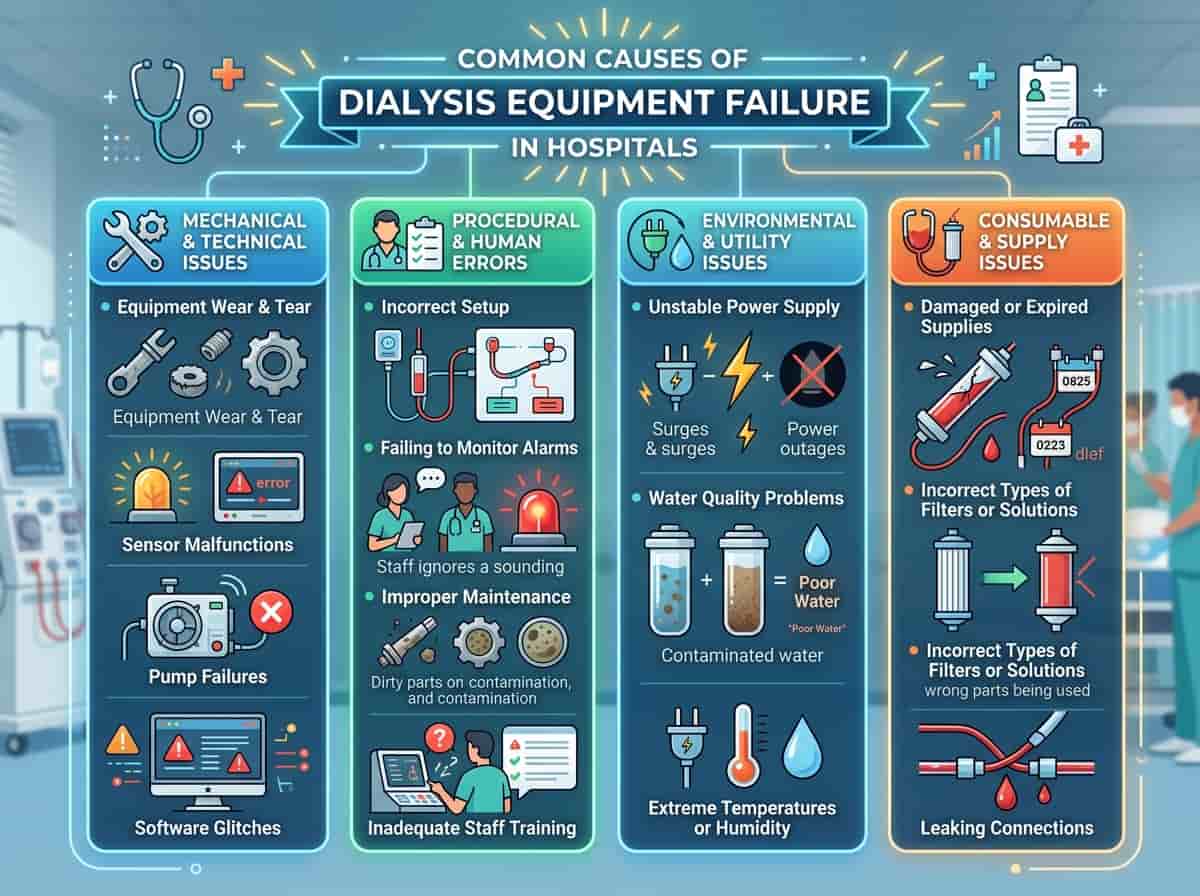
The Impact of Equipment Downtime on Patient Care
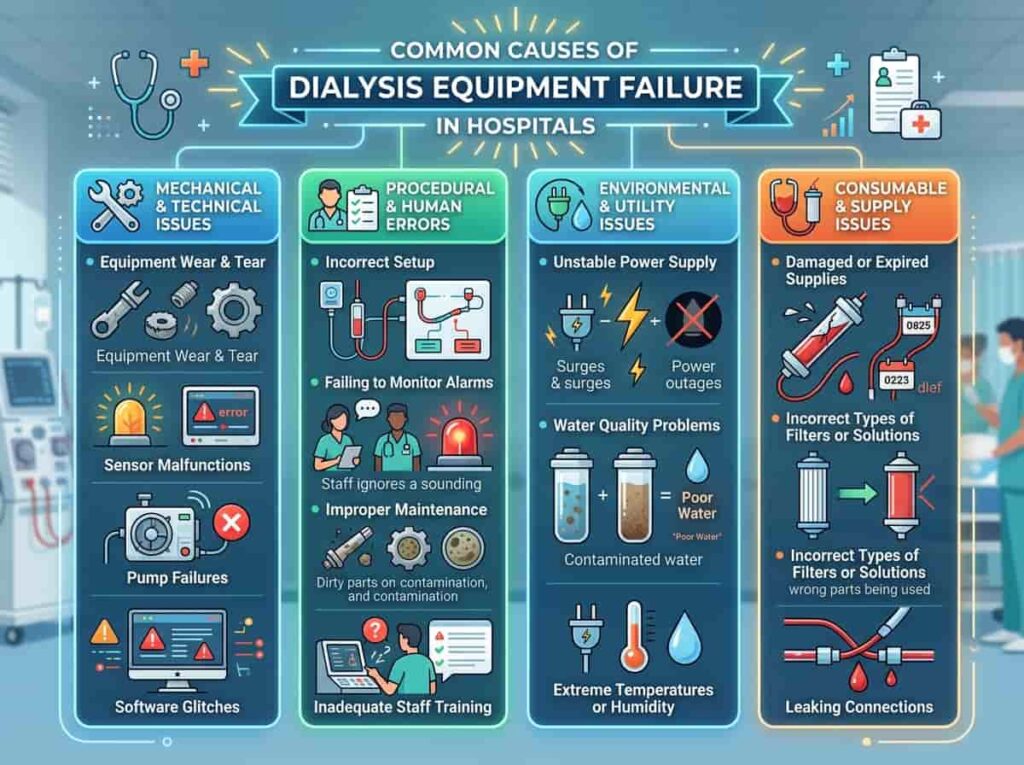
When imaging systems experience downtime, healthcare facilities may face:
- Appointment delays
- Longer patient wait times
- Reduced productivity
- Increased operational costs
For busy hospitals and outpatient imaging centers, even short interruptions can affect daily schedules.
Why Preventive Maintenance Matters
Routine maintenance helps healthcare facilities avoid unexpected disruptions.
Preventive service programs typically include:
- Calibration verification
- Performance testing
- Electrical safety inspections
- Regulatory compliance checks
- Component evaluations
The U.S Food and Drug Administration emphasizes the importance of proper maintenance and quality assurance programs for medical imaging equipment to support patient safety and reliable performance (FDA, 2024).
Need Faster CT Imaging Performance? Biomedical Service Solutions for Healthcare Facilities
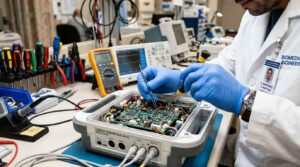
For healthcare organizations, efficient imaging depends on more than purchasing advanced equipment. Ongoing maintenance and expert service support are essential for maximizing performance.
Common CT Scanner Performance Challenges Hospitals Face
Healthcare facilities often encounter:
- Aging equipment
- Increased repair frequency
- Workflow bottlenecks
- Compliance concerns
- Unexpected downtime
These issues can affect patient care and operational efficiency.
How Professional Biomedical Equipment Services Improve CT Efficiency
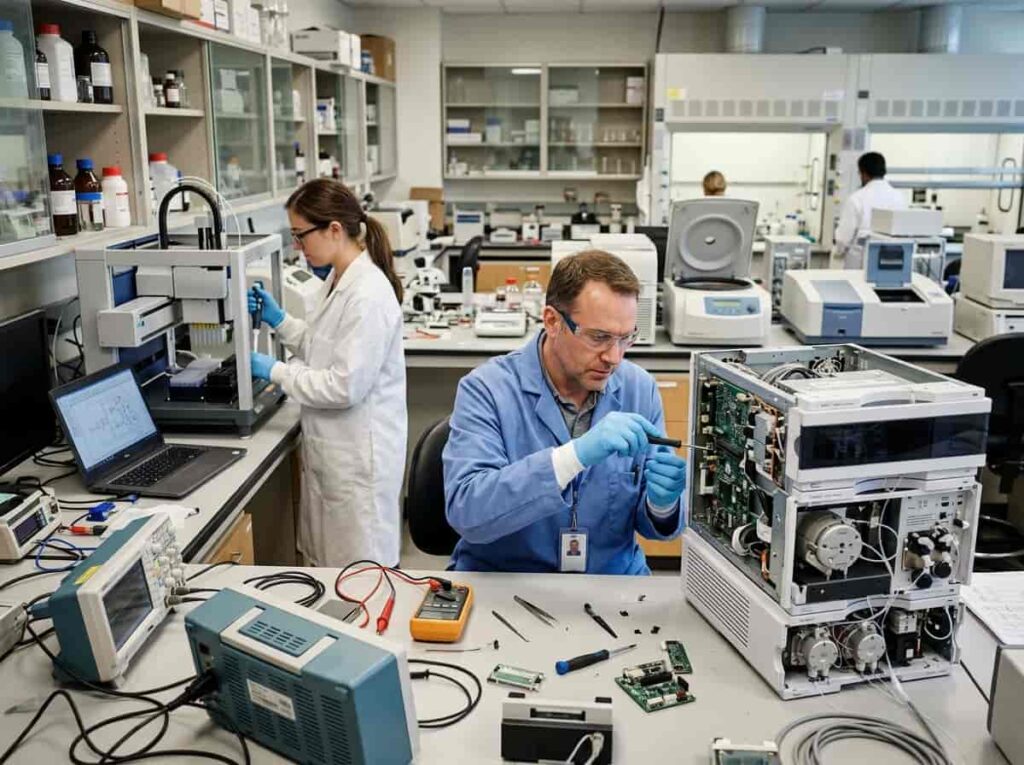
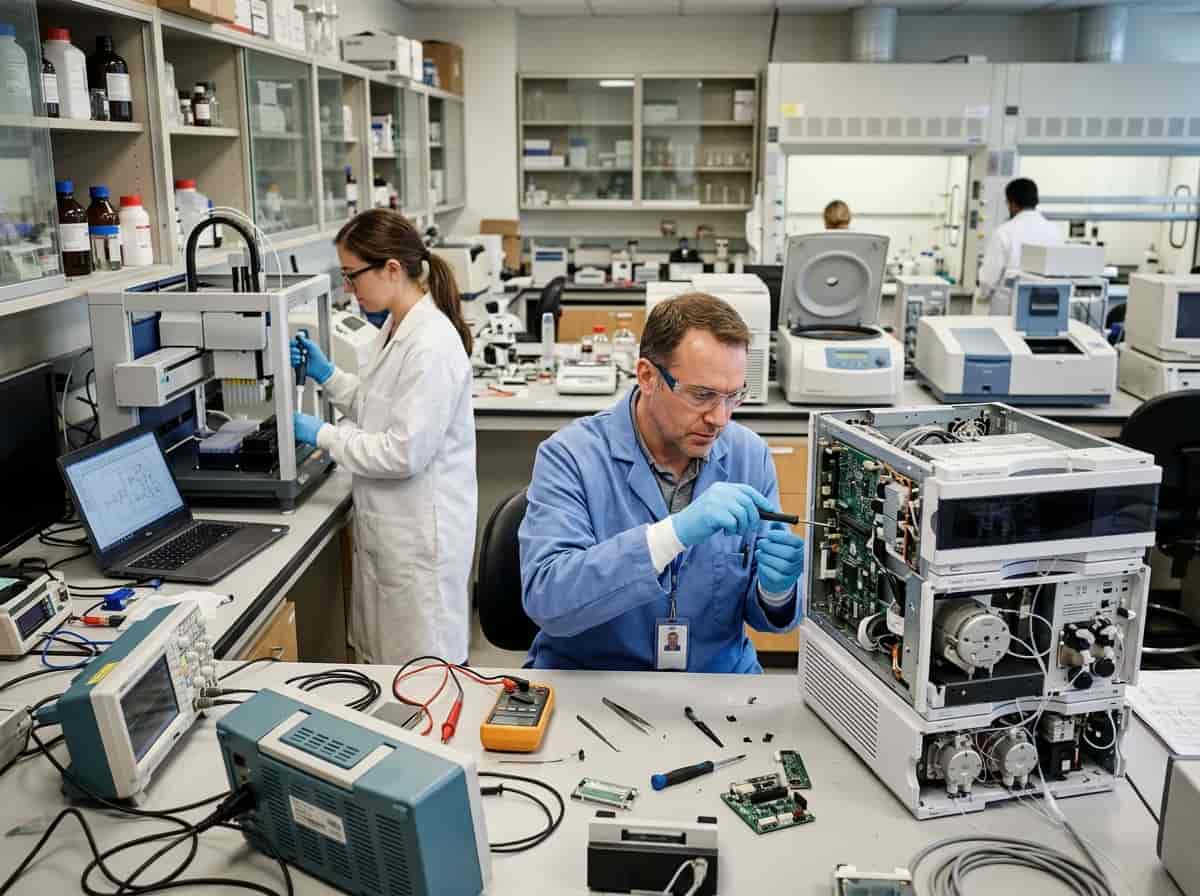
Experienced biomedical service providers help facilities:
- Reduce downtime
- Improve equipment reliability
- Support compliance requirements
- Extend equipment lifespan
- Optimize imaging performance
Regular inspections and preventive maintenance programs help identify small issues before they become costly repairs.
Why Healthcare Facilities Trust Syracuse Biomedical Services
Healthcare providers throughout Central New York depend on reliable medical equipment to deliver quality patient care.
Syracuse Biomedical Services supports healthcare organizations with professional biomedical equipment inspections, preventive maintenance programs, repair services, and compliance-focused support. Our goal is to help facilities maximize equipment uptime, improve workflow efficiency, and maintain confidence in their diagnostic imaging systems.
When Should a Facility Schedule a CT Equipment Assessment?
Consider scheduling an assessment if your facility experiences:
- Frequent service calls
- Increased patient delays
- Image quality concerns
- Aging imaging systems
- Upcoming regulatory inspections
Early intervention can help prevent larger operational challenges.
Conclusion
So, how long does a CT scan take? In most cases, patients can expect an appointment lasting between 10 and 30 minutes, although contrast studies and specialized exams may take longer.
While patient preparation and exam complexity affect timing, equipment reliability remains a critical factor behind efficient imaging operations. Proper maintenance, routine inspections, and proactive service support help healthcare facilities reduce downtime and improve patient experiences.
If your healthcare facility is looking to improve CT scanner reliability, reduce disruptions, and support optimal imaging performance, Syracuse Biomedical Services can help.
Contact Syracuse Biomedical Services today to learn more about our biomedical equipment maintenance, repair, and compliance solutions designed to keep your critical imaging systems operating at their best.