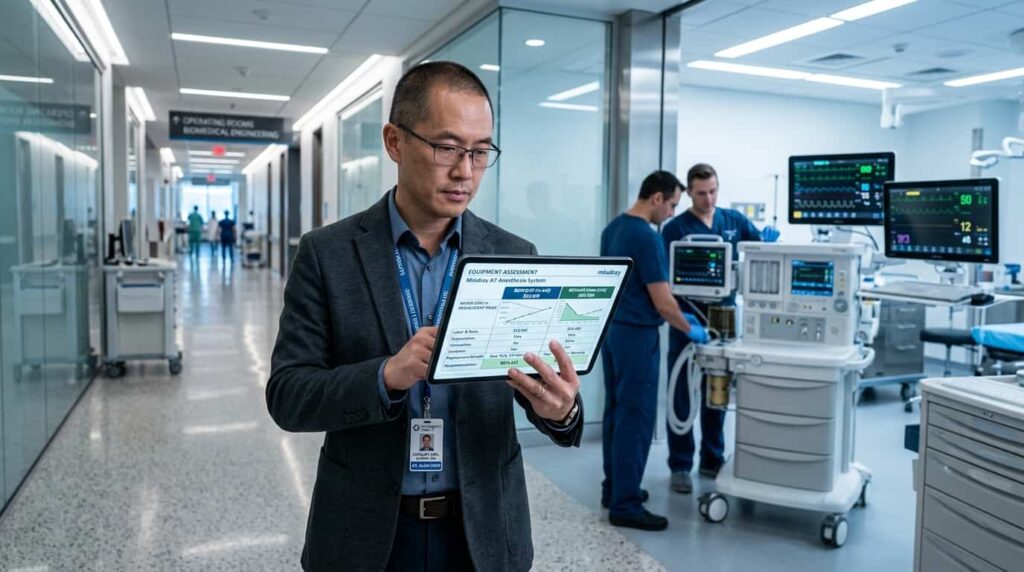
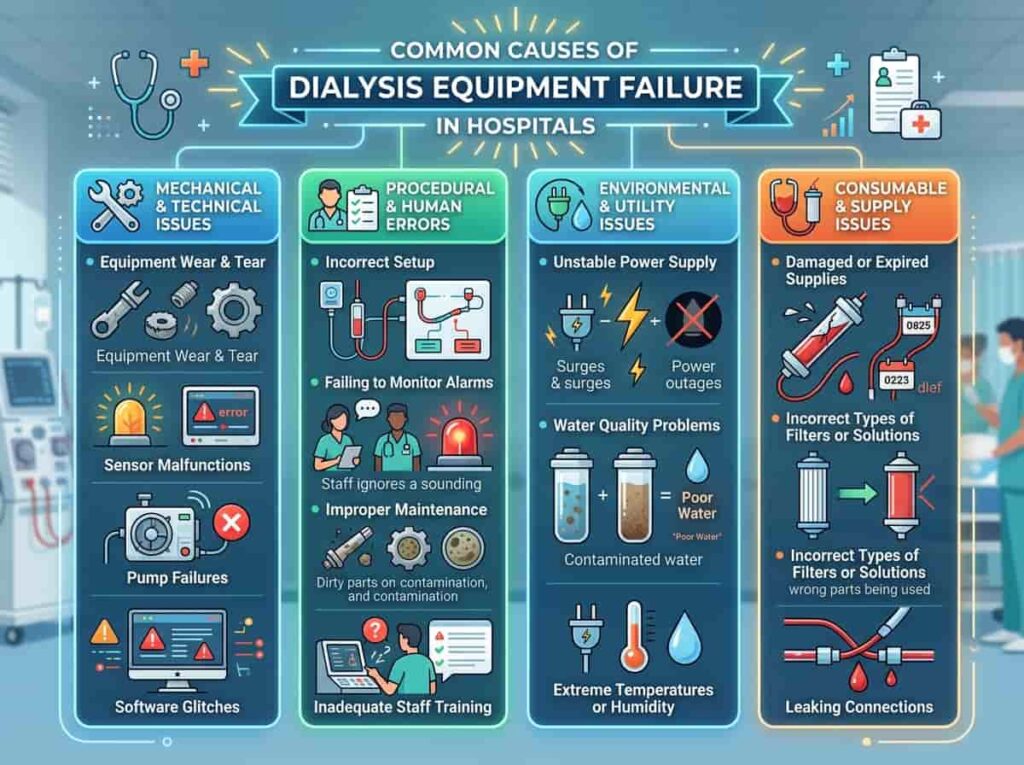
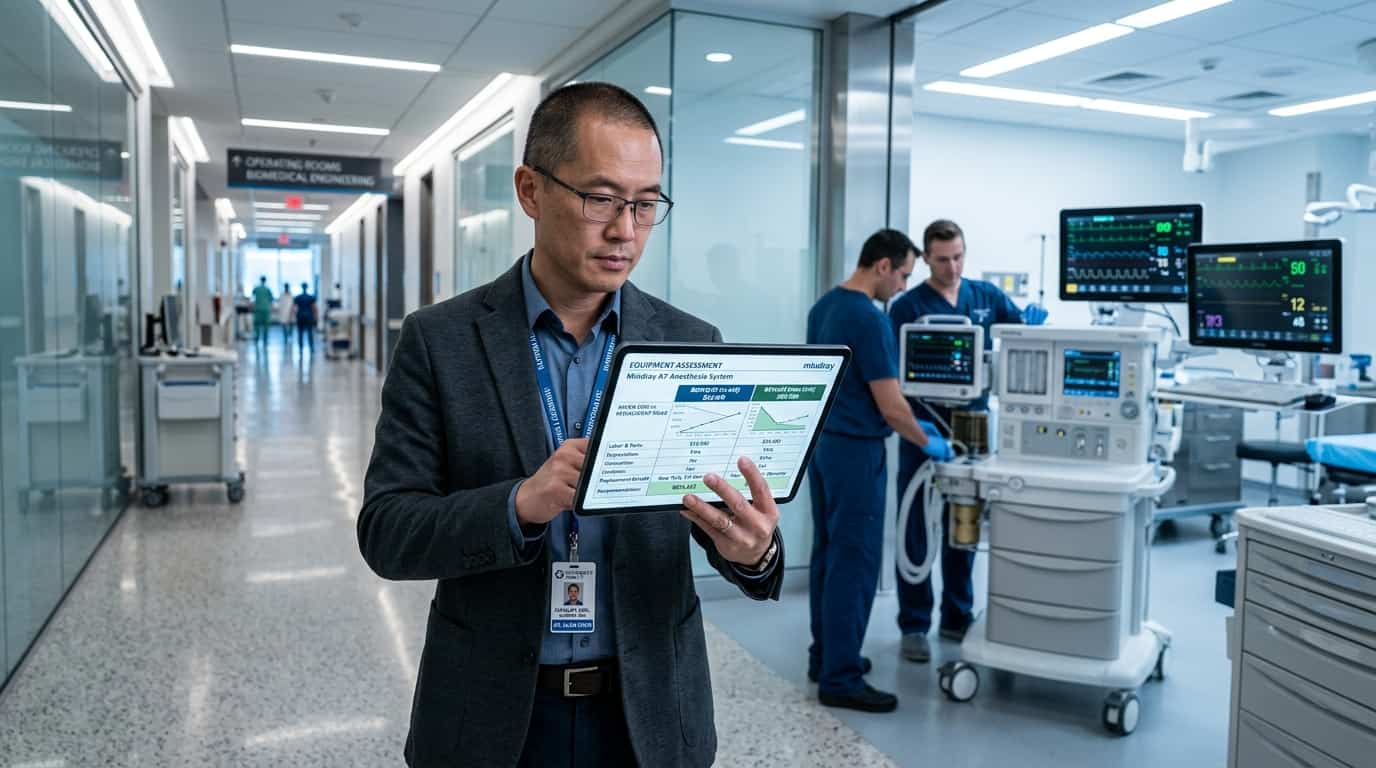
Hospitals depend on machines every minute of the day. From patient monitors to infusion pumps, these tools must work safely and correctly. This is why medical equipment safety testing is not optional—it is a critical part of patient care.
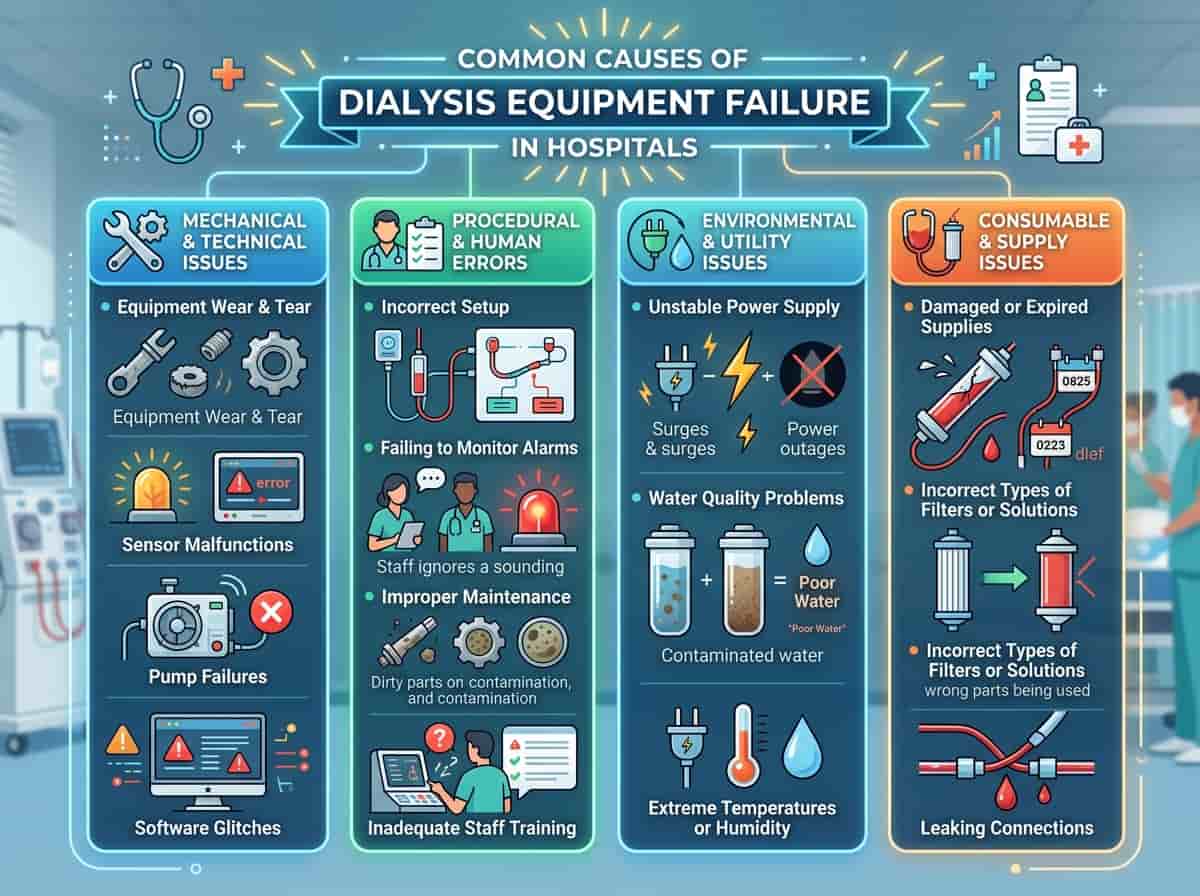
When equipment fails, the risk is not just downtime. It can affect diagnosis, treatment, and even patient safety. In busy healthcare environments, even a small electrical issue can create serious problems.
This guide explains what happens during a biomedical equipment safety inspection, why it matters, and how hospitals can stay compliant and prepared.
What Happens During a Biomedical Equipment Safety Inspection?
A biomedical equipment safety inspection is a structured process used to check if hospital devices are safe to use. It follows strict rules used in healthcare engineering and clinical environments.
Hospitals rely on these inspections to reduce risk and meet standards set by regulatory bodies such as The Joint Commission and IEC safety guidelines.
In simple terms, the goal is to make sure every device is:
- Electrically safe
- Functioning correctly
- Properly maintained
- Ready for patient use
Technicians follow a step-by-step method to ensure nothing is missed.
Why Hospitals Rely on Safety Inspections to Protect Patients and Staff
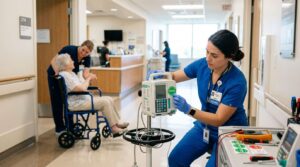
In healthcare, safety is always the top priority. Equipment that looks fine on the outside may still have hidden problems inside.
Biomedical inspections help prevent:
- Electrical shocks from faulty wiring
- Device failure during surgery or emergencies
- Incorrect readings from monitoring systems
- Unexpected downtime in critical care units
Real-world hospital experience shows that many issues are found only during testing, not during daily use. For example, worn power cords or weak internal batteries may not show visible signs but can still cause device failure.
The U.S. Food and Drug Administration (FDA) requires that medical device malfunctions be reported through its Medical Device Reporting (MDR) system, as part of ongoing postmarket surveillance to help identify and reduce safety risks in healthcare environments (FDA, Medical Device Reporting Guidance, 2024).
Step-by-Step Overview of a Biomedical Equipment Safety Inspection
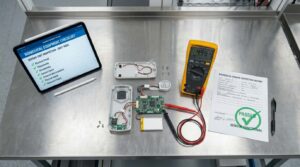
A proper inspection follows a clear and repeatable process.
1. Visual Inspection
Technicians check for:
- Cracked housing or damage
- Loose plugs or cables
- Missing labels or asset tags
This step helps identify obvious safety risks before testing begins.
2. Electrical Safety Testing
Using certified biomedical analyzers, technicians measure:
- Leakage current
- Ground continuity
- Power stability
These tests ensure the device does not expose patients or staff to electrical hazards.
3. Functional Testing
The equipment is turned on and tested under normal conditions to confirm:
- Proper operation
- Accurate readings
- Stable performance
4. Documentation and Tagging
Each device is recorded in a system and labeled based on its status:
- Safe for use
- Needs repair
- Removed from service
This helps hospitals maintain clear compliance records.
Common Problems Found During Inspections in Hospitals

In real hospital environments, biomedical technicians often discover issues that are easy to miss during daily operations:
- Damaged or frayed power cords
- Battery failure in portable monitors
- Calibration drift in diagnostic equipment
- Internal wear in older surgical devices
These problems may not cause immediate failure, but they increase risk over time. That is why routine hospital equipment maintenance and inspection programs are so important.
The World Health Organization (WHO) highlights that unsafe or poorly maintained medical equipment can reduce the quality of care, especially in critical treatment areas (WHO, 2022).
What Steps Are Included in medical equipment safety testing for Hospital Devices?
Medical equipment safety testing is a structured process that ensures hospital devices meet electrical and functional safety standards.
It typically includes:
- Ground resistance testing
- Leakage current measurement
- Load and power testing
- Functional verification
These steps are aligned with IEC 60601 safety standards, which are widely used in healthcare environments worldwide.
How Biomedical Technicians Perform Safety Testing
Biomedical technicians follow a strict workflow:
| Step | Process Stage | Description | Purpose / Outcome |
| Step 1 | Equipment Identification | Each device is logged into a tracking system for full traceability. | Ensures every medical device is accounted for and properly monitored throughout its lifecycle. |
| Step 2 | Use of Calibrated Testing Equipment | Certified analyzers are used to ensure accurate measurements. | Guarantees reliable and standardized test results based on biomedical safety requirements. |
| Step 3 | Running Standard Safety Tests | Devices are tested under controlled conditions to simulate real use. | Confirms electrical safety, performance stability, and operational reliability. |
| Step 4 | Recording and Reporting Results | All findings are documented for compliance audits and hospital records. | Provides audit-ready documentation and supports regulatory compliance and hospital reporting needs. |
This process ensures consistency across all hospital departments, including ICU, emergency rooms, and surgical units.
Why Standardized Testing Matters for Hospitals
Standardization ensures every device is tested the same way, every time.
This helps hospitals:
- Pass regulatory inspections
- Reduce legal and safety risks
- Improve patient outcomes
- Maintain reliable equipment performance
Without standard testing procedures, results can vary, leading to gaps in safety coverage.
How Often Should Hospitals Perform Safety Testing?
The frequency of clinical engineering services like safety testing depends on equipment type and risk level.
- High-risk devices (ventilators, defibrillators): tested more frequently
- Mobile devices: tested regularly due to movement and wear
- Low-risk equipment: tested on scheduled maintenance cycles
Many hospitals now use risk-based maintenance programs, which focus more attention on critical care equipment.
On-Site Biomedical Equipment Safety Testing and Inspection Services
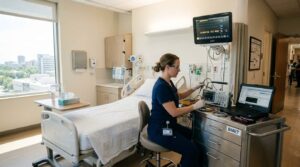
Hospitals today prefer on-site services because they reduce disruption and improve efficiency.
Why On-Site Testing Is the Best Option
On-site testing allows technicians to:
- Work directly in patient care areas
- Avoid transporting sensitive equipment
- Detect issues immediately
- Reduce downtime in critical units
This approach supports faster decision-making and safer hospital operations.
What Syracuse Biomedical Services Provides During On-Site Visits
At Syracuse Biomedical Services, on-site inspections are designed to support hospitals with full-service testing and compliance support.
Services include:
- Biomedical equipment safety inspections
- Electrical safety testing and verification
- Equipment tagging and compliance labeling
- Maintenance recommendations for faulty devices
- Detailed reporting for audits and documentation
Each service is performed by trained biomedical technicians with hands-on hospital experience.
How On-Site Testing Helps Hospitals Stay Audit-Ready
Hospitals must meet strict compliance requirements from organizations like The Joint Commission.
Regular testing helps:
- Keep equipment records updated
- Reduce audit stress and last-minute issues
- Improve compliance readiness
- Support continuous patient safety programs
When inspections are done consistently, hospitals can focus more on patient care and less on emergency compliance problems.
Final Call to Action: Keep Your Hospital Equipment Safe and Compliant
Reliable equipment is the backbone of safe healthcare delivery. Without proper medical equipment safety testing, hospitals risk unexpected failures, compliance issues, and patient safety concerns.
Syracuse Biomedical Services provides trusted on-site biomedical equipment safety testing and inspection services designed for hospitals, clinics, and healthcare facilities.
If your facility needs dependable support for compliance, inspections, or equipment testing, now is the right time to act.
Schedule an on-site inspection today
Request a compliance review for your facility
Speak with a biomedical equipment specialist
Keep your equipment safe, your staff confident, and your patients protected with professional biomedical support you can trust.